 LeCoqRoti
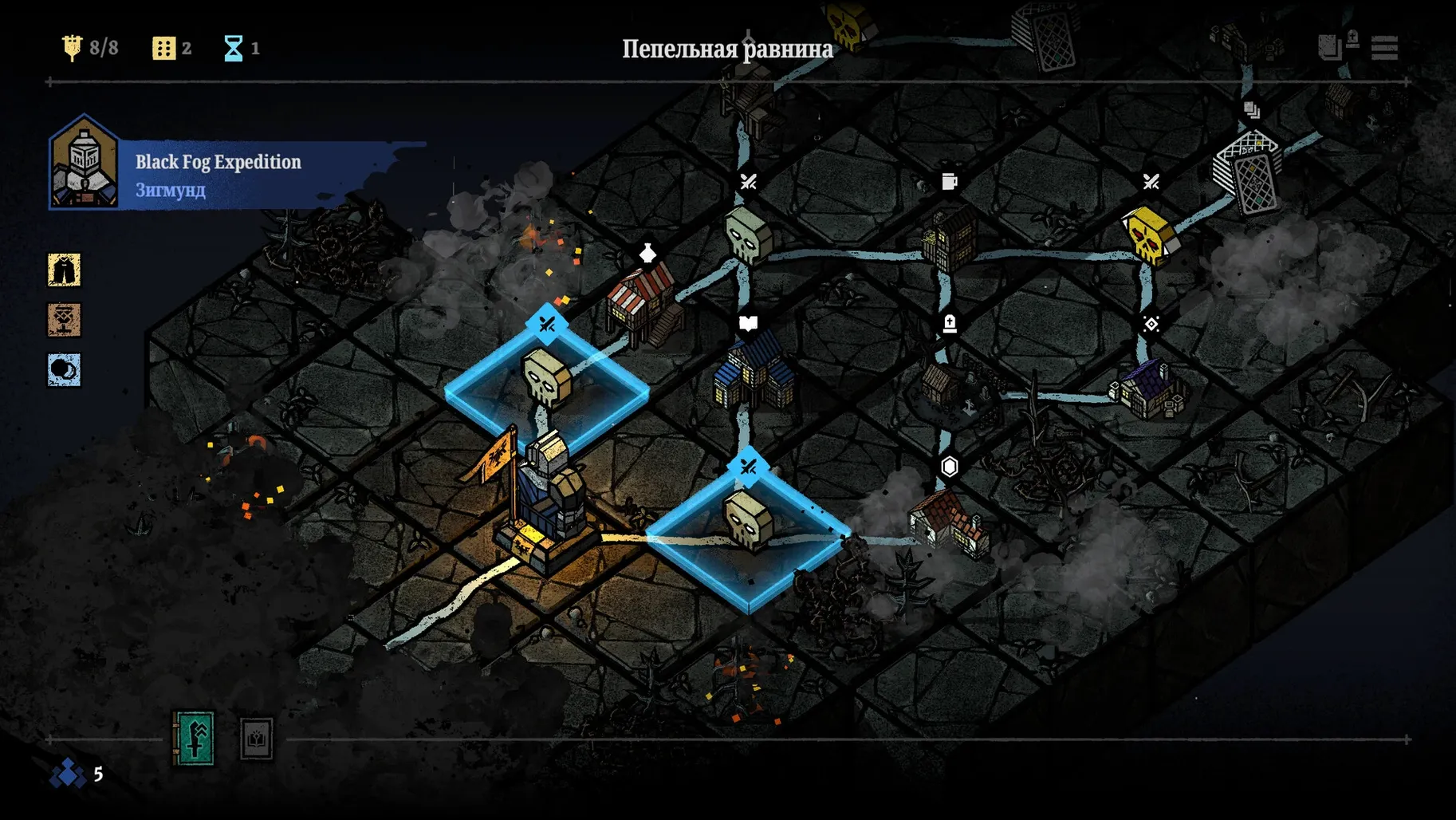
The latest update, version 1.6.39, brings a series of precise balance and stability corrections. An exploit where the Berserk and Speed Enchant traits could grant unlimited Speed buffs has been closed; similarly, Protection no longer lingers after a deployment is cancelled, and the Ring of Will commander ability cannot be stacked indefinitely. The Orc Warlock’s combat presence has been dialled back, and a handful of progression-blocking bugs — from stalled Building Events to an action-point refund trick — are now resolved.
Recruitment: assembling a company
Each run begins with a limited pool of mercenaries drawn from a roster of over one hundred. You select who to bring, noting that every character can carry up to two traits — passive modifiers that govern speed, damage, or strange synergies.
Placement: spending action points
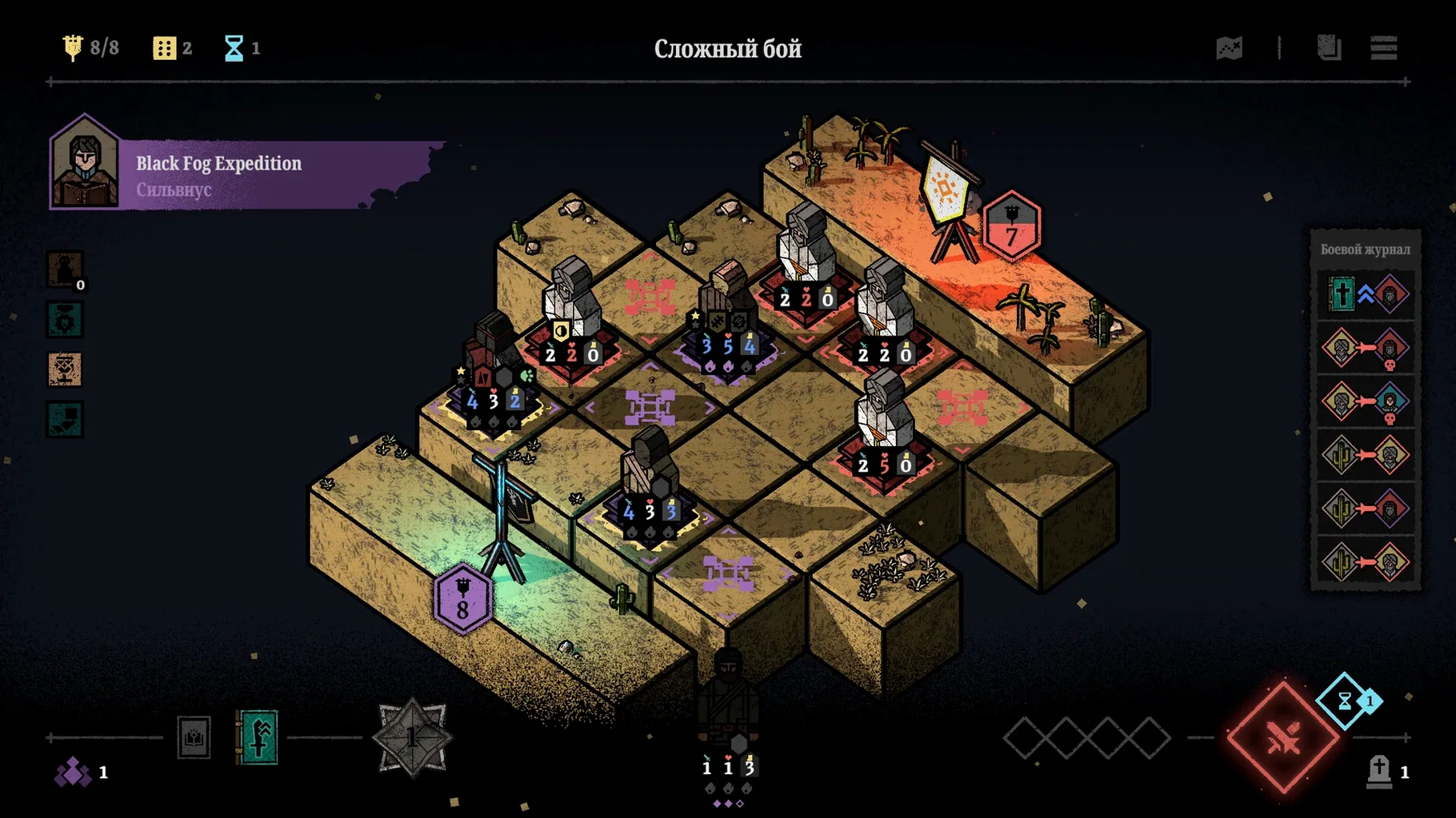
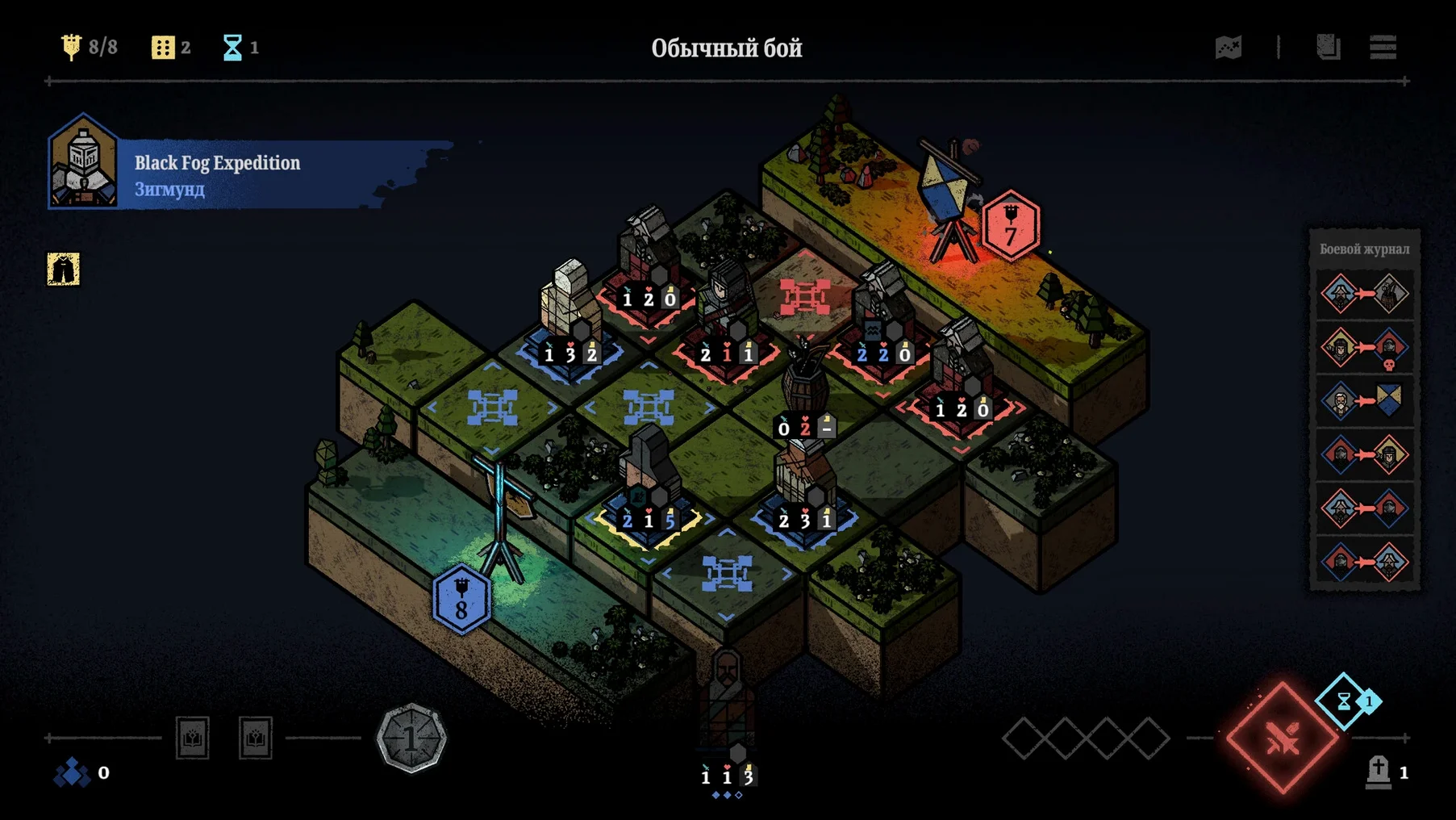
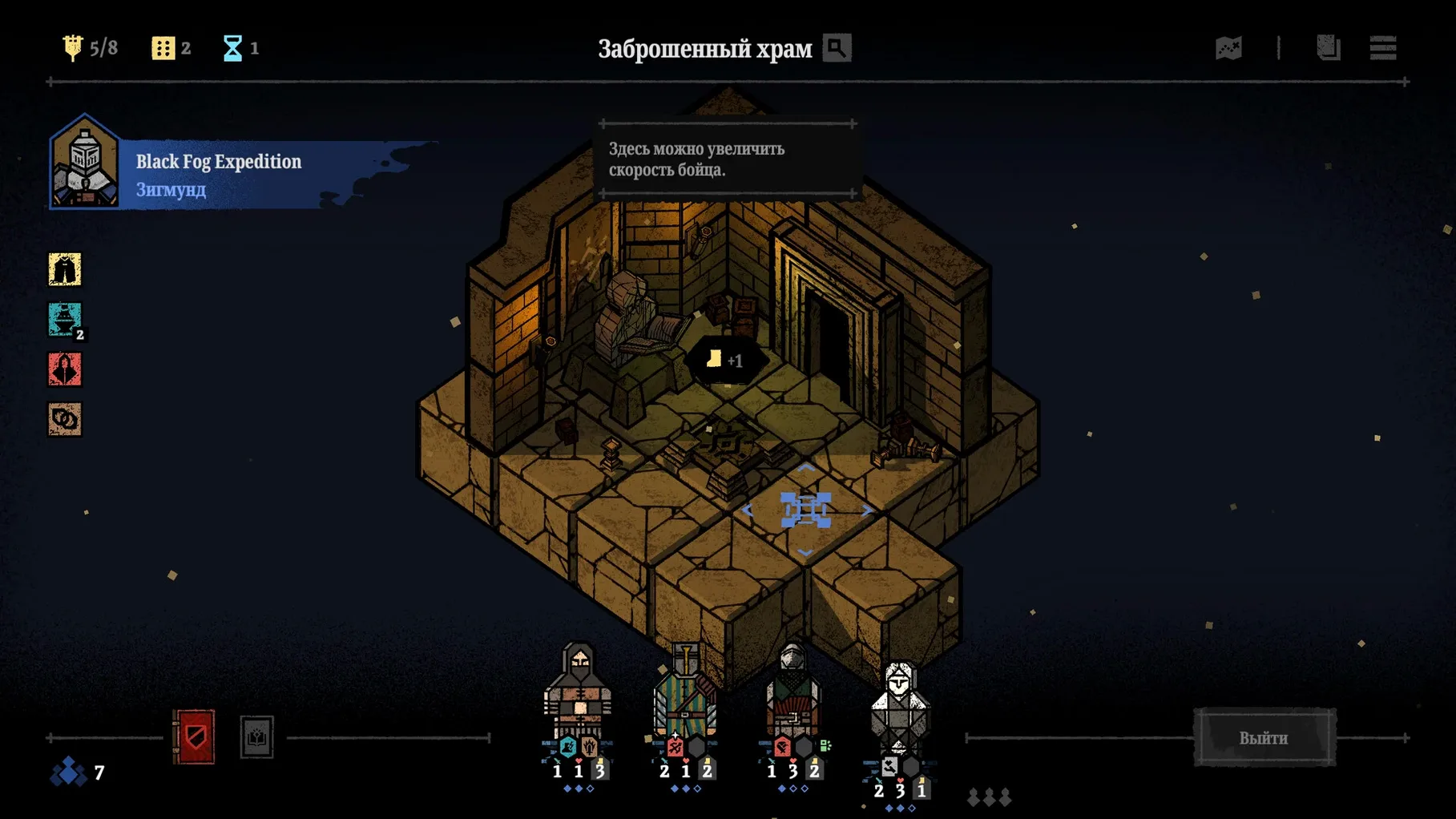
Before blades are drawn, you spend action points to position your mercenaries on the battlefield grid. Obstacles, flag health, and trait combinations all demand a moment of quiet calculation; a poorly placed healer or an overextended berserker will undo a run before the first strike lands.
Resolution: watching the automatic battle
Once placement is confirmed, control recedes. Mercenaries act in speed order, resolving attacks, status effects, and trait interactions without further input. A failed campaign is not wasted — it yields resources for permanent structures in your camp, where buildings confer lasting improvements that carry into future attempts.
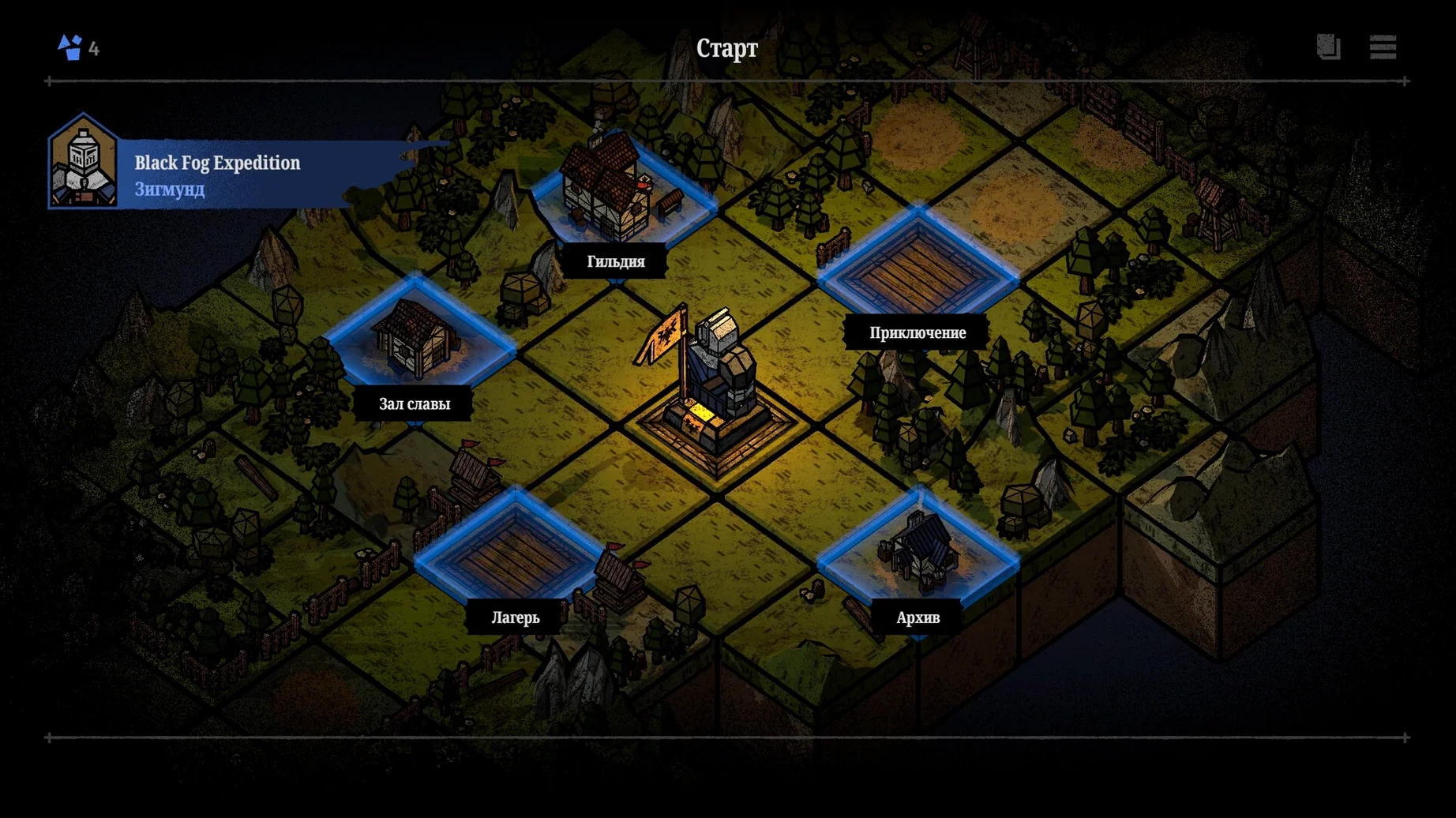
Camp upgrades: spend before you retry
Ignore the camp at your peril. The instinct, fresh from a failed run, is to leap straight into the next attempt — but resources spent on buildings before you re-enter the fray compound with surprising speed. A single upgrade to flag health or a modest discount on mercenary hiring can quietly reshape the early game.
Read every trait aloud in your head, at least for the first dozen hours. The game does not pause to explain why a mercenary with Survival Instinct refused to fall, or why an enemy’s speed enchant triggered twice. Making a small ritual of trait inspection — hovering over each icon before placement — builds a mental library that later becomes automatic.
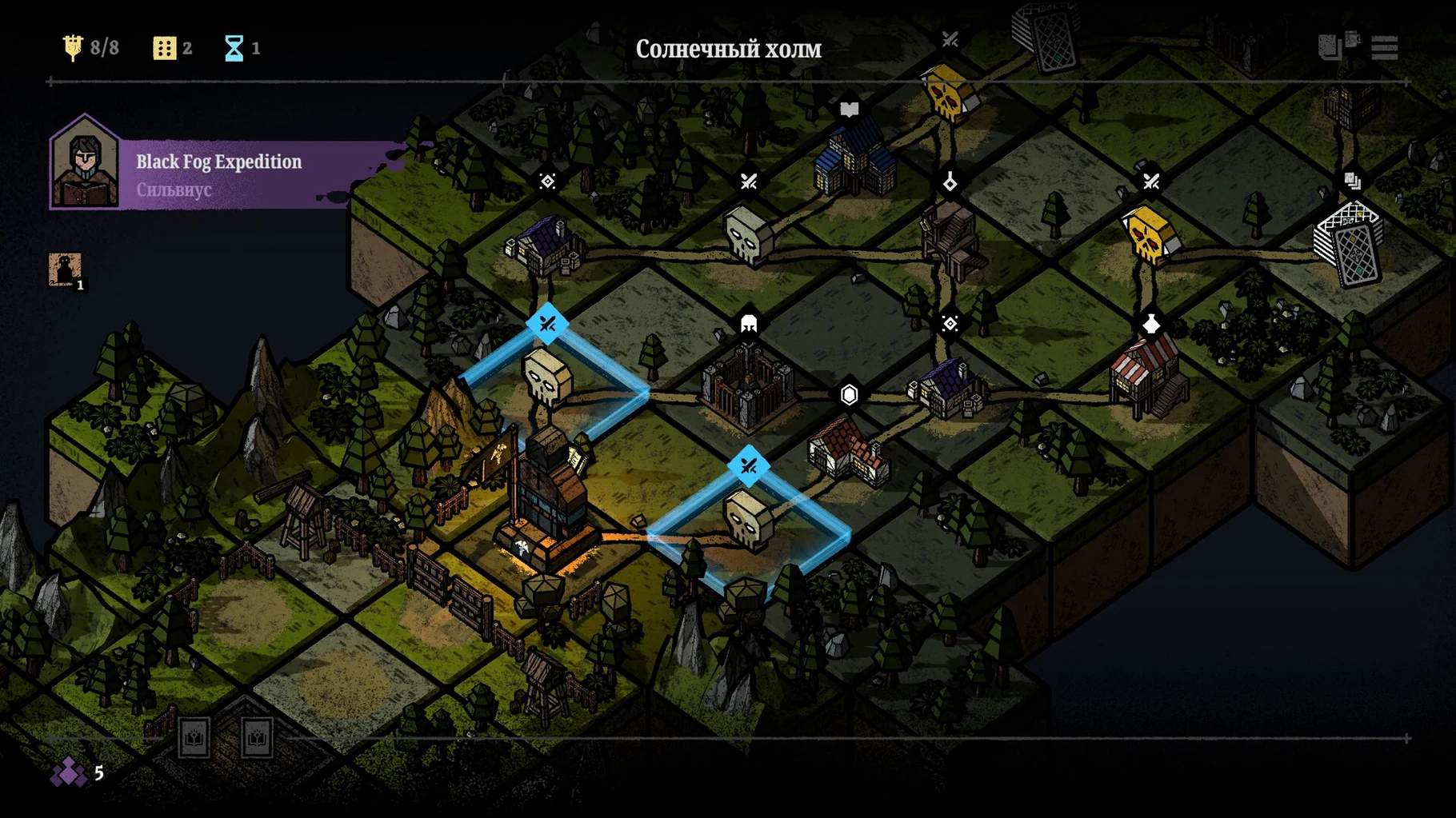
Treat travel card events as intelligence, not filler. The short stories and binary choices do more than break up combat; they hint at region-specific threats and occasionally plant rumours that unlock abilities. Choosing hastily because “it’s just flavour text” is a habit that costs runs.
Trait clashes: mercenaries cancel each other
The most frequent error is treating mercenaries as interchangeable bodies. A new player sees a full roster and drafts for raw power, ignoring the way two traits can cancel each other’s logic — a slow, heavy-hitting mercenary given a speed enchant becomes merely average, neither fast enough to act early nor durable enough to survive the counter-blow.
Another trap: hoarding action points during placement. The battlefield rewards early commitment; spreading mercenaries tentatively across the back row leaves the flag exposed and forces fragile characters into melee. Spend points with intent, even if the shape of the fight is still emerging.
Overvaluing a single relic or card is also common. Thirty relics and twenty cards may seem modest next to the mercenary count, but building a strategy around one rare pull — say, a relic that triggers only when a mercenary dies — often collapses the moment that condition fails to materialise. Flexibility in deck-building beats a beautiful, brittle plan.
Finally, beginners frequently restart a run too late. When a key mercenary falls and the flag is at half health, the camp’s building queue is a better destination than another turn of slow defeat. Learning to recognise the pivot point between salvage and surrender is a skill the automatic battle system teaches only through repetition.








Correspondence 0
Take a chair or join the table to send a letter.
No correspondence on this note yet. Letters are read before they appear.