 LeCoqRoti
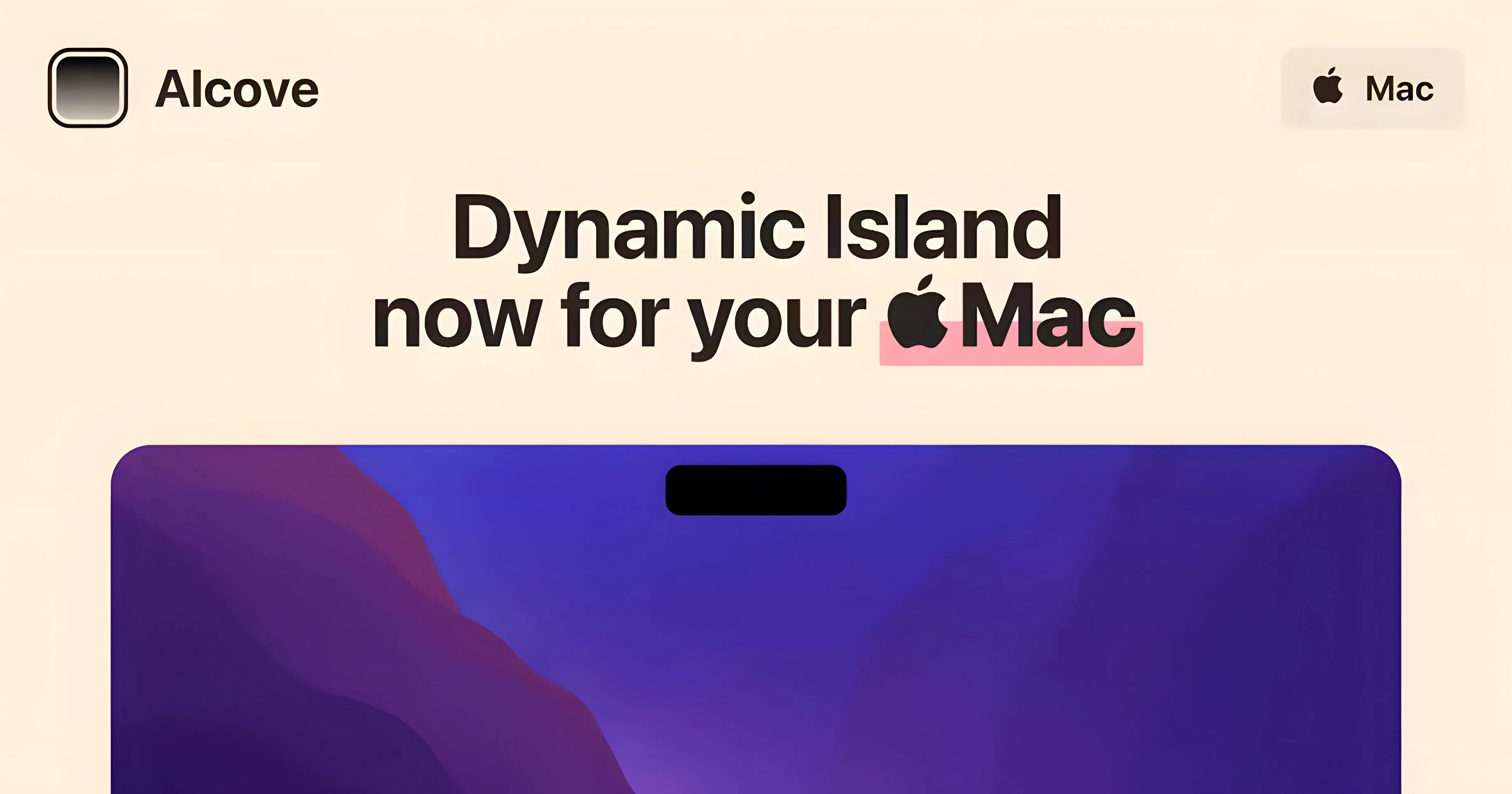
Alcove runs on any Mac with a notch running macOS 14 or later — both Apple Silicon and Intel machines are supported. If your screen has that dark sliver at the top, Alcove gives it a proper job: a touch-sized capsule that reacts to clicks, swipes and system events.
First gestures: three things to try
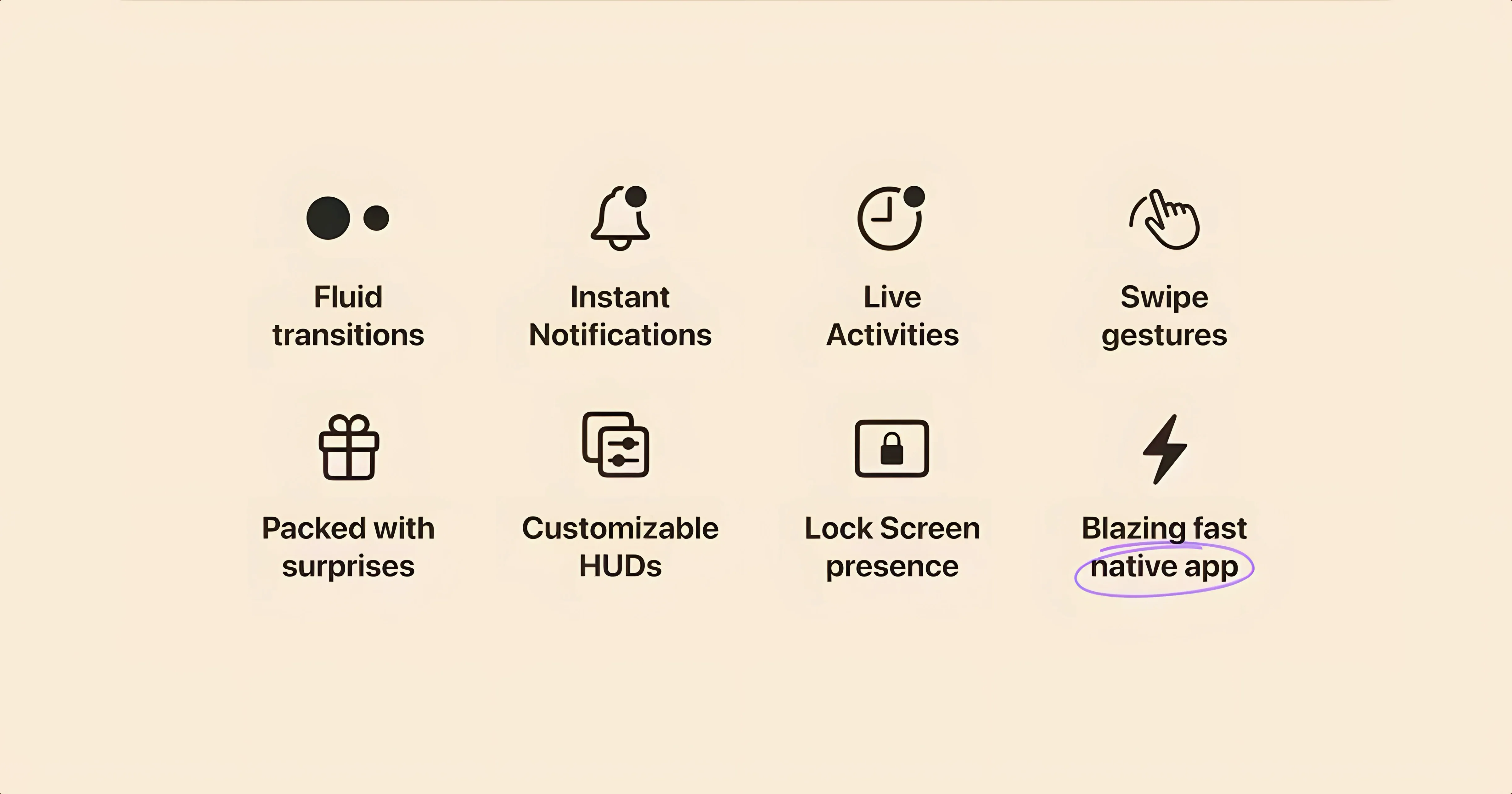
- Single-click the capsule. A clean popover appears with playback controls for whatever is currently playing — Music, Spotify, or a browser tab. Tap again to dismiss it; the animation mirrors the fluidity of Dynamic Island on iOS.
- Long-press or hover. Notifications and Live Activities gather here. A sustained click expands the capsule into a wider panel showing recent alerts and ongoing timers, so they never steal focus from your main window.
- Two-finger swipe across the notch. This skips tracks or scrubs through media. The gesture is customisable later, but the default behaviour feels natural from the first try.
The capsule: calm and persistent
Henrik Ruscon designed Alcove to treat the notch as a small stage rather than an obstacle. Media playback, incoming notifications and Live Activities all appear inside a single rounded capsule that sits flush against the camera housing. It respects your wallpaper and dark menu bar settings without drawing attention to itself — useful when you want information at a glance, not a distraction. In short: three gestures unlock most of what Alcove offers, and they take under a minute to learn.
First days: small adjustments that pay off
After installation, spend ten minutes tailoring two things and the app will feel native rather than bolted-on. The defaults are sensible, but a little tuning goes a long way.
Teach yourself one gesture at a time. Most people click the capsule instinctively; that part works straight away. The swipe gesture, however, benefits from a deliberate first session. Open Music, play something, then practise a two-finger swipe across the notch at different speeds. A quick flick skips, a slow drag scrubs — the distinction is subtle and becomes muscle memory after a few tries. Resist the urge to customise the gesture mapping until you have lived with the factory settings for a day or two.
Visit Notification Settings. Alcove can mirror every notification that macOS posts, but that gets noisy fast. In the app's preferences, limit the capsule to the three apps whose alerts you actually want to see without switching windows: Messages, Reminders, and your calendar perhaps. Everything else can stay in Notification Centre where it belongs. You will also find an option to keep the capsule visible when no media is playing; leave it off at first. Seeing the capsule vanish and reappear teaches your eye that it means something.
Let the HUD replacement settle in. Alcove swaps the stock volume and brightness overlays with its own slim indicators. They appear inside the notch area rather than blocking centre-screen content. The first time you tap a brightness key and nothing huge appears in the middle of your document, the change feels almost too quiet. Give it a day; most people stop noticing the HUD entirely, which is the point.
How Alcove sits alongside other apps and macOS features
Alcove is not a media player, a notification centre replacement, or a window manager. It is a presentation layer, and it works best when you understand what it defers to.
Media apps. The capsule shows metadata and transport controls for anything that populates the macOS Now Playing widget: Music, Spotify, QuickTime, and most browser-based players. It does not replace the app itself — you still manage playlists and libraries where you always did — but it saves you from switching windows just to pause or skip. If you use multiple audio sources throughout the day, the capsule tracks whichever source is currently active.
Focus modes and Do Not Disturb. Alcove respects system Focus settings. When a Focus mode suppresses notifications, the capsule stays quiet too. This is worth knowing before you assume something is broken. If the capsule suddenly stops showing alerts, check whether a Focus mode has kicked in; the app is almost certainly fine.
Menu bar and Control Centre. Alcove does not interfere with menu bar extras or Control Centre. The notch area and the menu bar coexist — the capsule takes the centre space around the camera housing, while clock, Wi‑Fi, battery and other icons remain where they always were. You can still click through to Control Centre for toggles Alcove does not handle, like AirDrop or display mirroring.
Streaming and screen recording. If you use CleanShot, OBS, or the built-in screenshot tool, the capsule appears in captures unless you toggle it off in Alcove's preferences. There is a dedicated switch labelled “Hide capsule during screen recording.” Turn it on before a presentation or a client call; the capsule's animation can be distracting on a recorded video.
Pre-install hesitation: the silent questions
Notchless displays: still works, with a shift
Yes, with a caveat. On a MacBook with a notch, the capsule hugs the camera housing exactly as intended. On a notchless display — an iMac, a Studio Display, or a Mac mini connected to a plain monitor — Alcove creates a floating capsule anchored to the top-centre of the screen. It still works, but the visual integration is less elegant because the capsule sits slightly below the menu bar rather than nestled into hardware. The developer notes this on the site; it is not a bug, just a different look.
Will it drain battery or eat CPU?
Alcove 1.7.9 is lightweight. On an Apple Silicon Mac, the process averages under one percent of CPU during media playback and idles to near zero when nothing is playing. The animations use Core Animation and the GPU efficiently. On an Intel Mac you may see slightly higher figures, but nothing that shortens a work session noticeably. The app runs a single background process and does not spawn helpers or launch daemons.
Can I move the capsule or resize it?
Not in version 1.7.9. The capsule's position and size are fixed to match the notch geometry. Henrik Ruscon's design philosophy here is opinionated: the capsule should feel like part of the display, not a movable widget. If you need a repositionable overlay for media controls, a menu bar app like Sleeve or Squash may suit you better. Alcove commits to the notch as a fixed stage.
Does it break when macOS updates?
The app required macOS 14 at launch and continues to work on every point release since. The developer tends to issue compatibility updates within a week of major macOS upgrades. Turning off automatic updates, as the install notes suggest, means you control when a new version lands — sensible if you prefer to wait and confirm stability first.
Swipe freeze after sleep: the one-click restart
Swipe gesture stops responding. This usually happens after a system sleep-wake cycle on certain Macs. The fix is quick: open Alcove's menu bar icon, click “Restart Alcove,” and the gesture returns. If it happens repeatedly, toggle the swipe gesture off and on in preferences; that forces a re-registration of the gesture recogniser. No reboot needed.
Notifications appear twice. macOS delivers banners to Notification Centre, and Alcove mirrors what it sees. If you have not limited the app list in Alcove's preferences, you will see a notification both in the top-right banner and in the capsule. The solution is the preference pane mentioned earlier: restrict the capsule to a short list of apps, and let everything else use the system banner alone.
Capsule shows “No media” when something is clearly playing. This can happen with browser-based audio if the site does not populate Now Playing metadata properly — some web radio players and niche streaming sites are culprits. Switching to the tab with the audio and clicking the media controls once usually wakes up the metadata feed. If a specific site never works, it is likely a limitation of that site's media API, not Alcove itself.
Volume HUD still shows the stock overlay. After installation, macOS may cling to its default HUD for the first few volume changes. A logout or a quick restart of the Alcove process fixes the hook. If the issue persists, check that Alcove has Accessibility permissions in System Settings; it needs them to replace the HUD, and macOS sometimes prompts for this permission a few minutes after first launch rather than immediately.




Correspondence 0
Take a chair or join the table to send a letter.
No correspondence on this note yet. Letters are read before they appear.