 LeCoqRoti
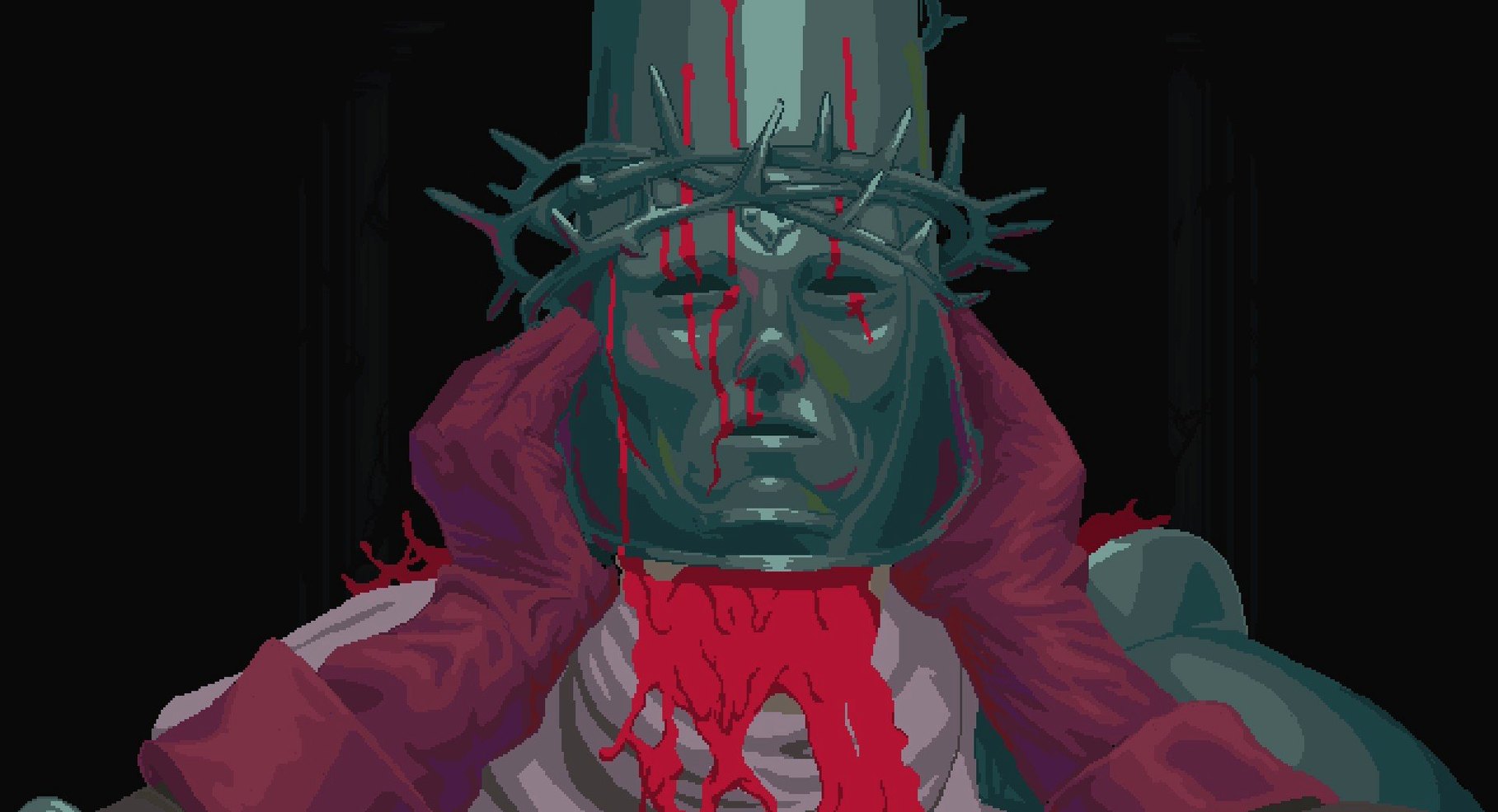
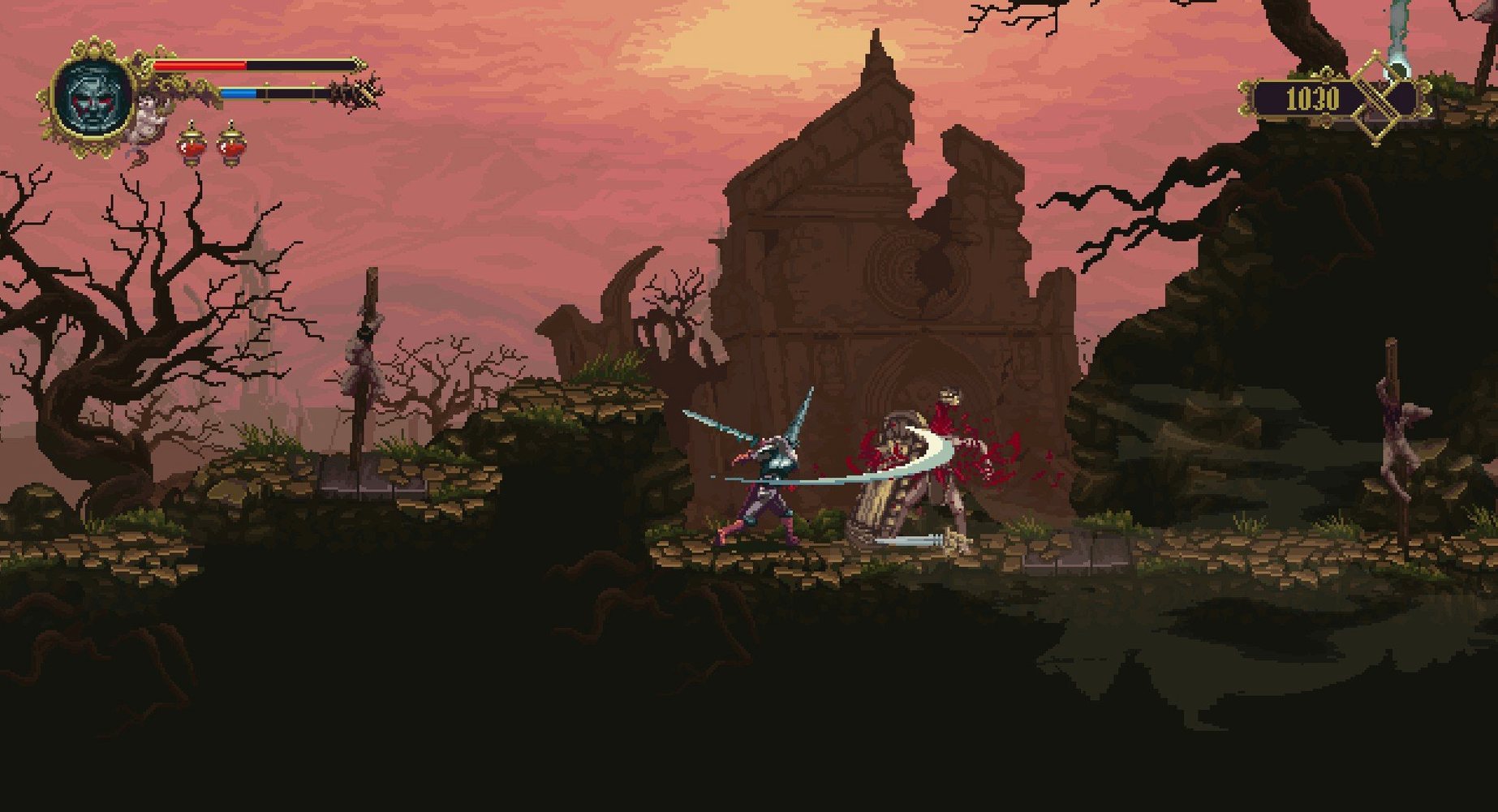
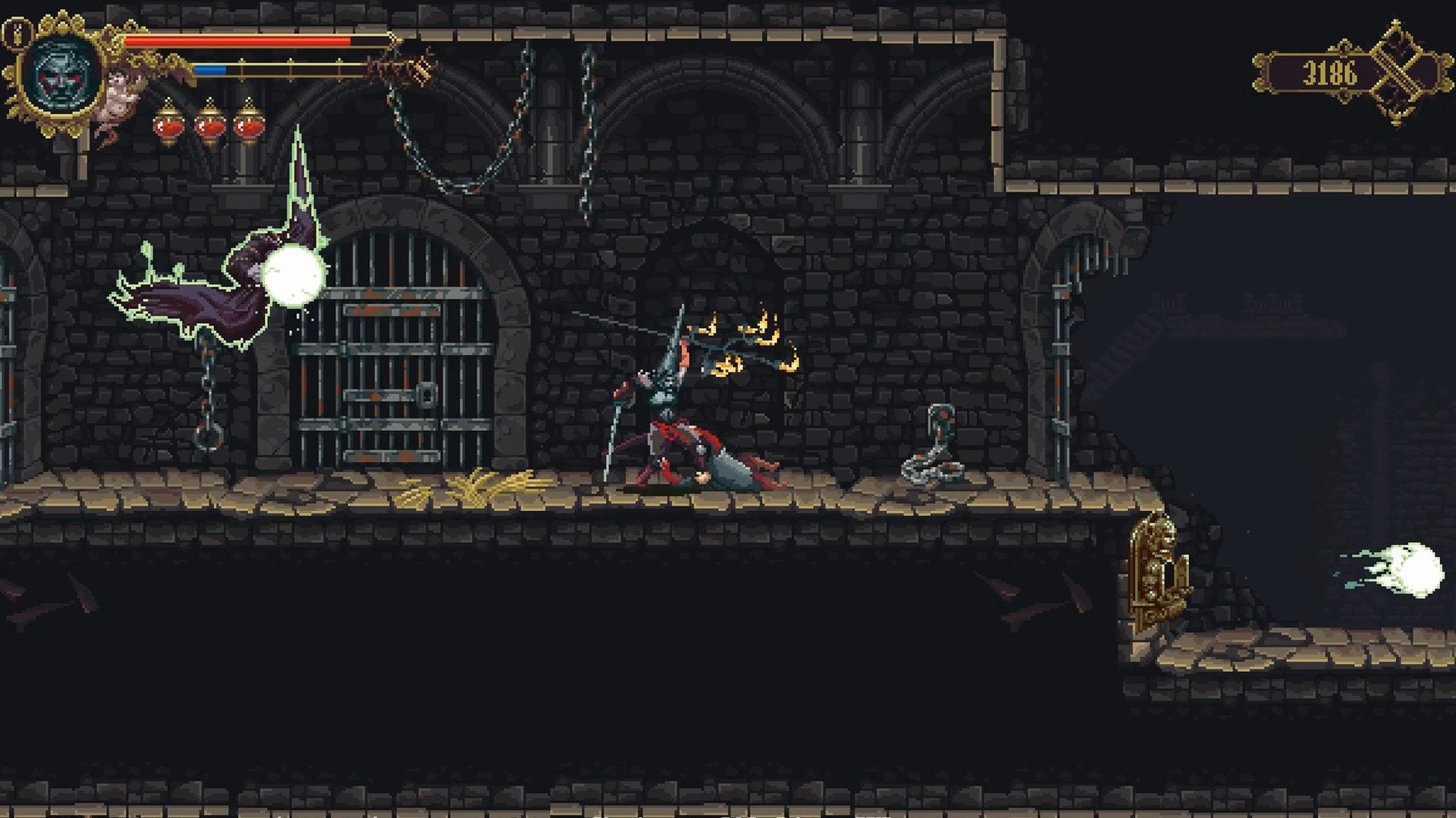
You wake among the piled bodies of the Silent Sorrow, the sole survivor of a massacre that has left the stone cold and wet. The guilt-drenched land of Cvstodia stretches beyond the broken gate, and the only way forward is through it. This is the opening moment of Blasphemous, and from here the pilgrimage of The Penitent One follows a rhythm that is at once punishing and precise.
A pilgrimage in five acts
- Choose your burden. Before you leave the first shrine, you decide which Penitence to carry — or none at all. This shapes the difficulty and the rewards for the entire run.
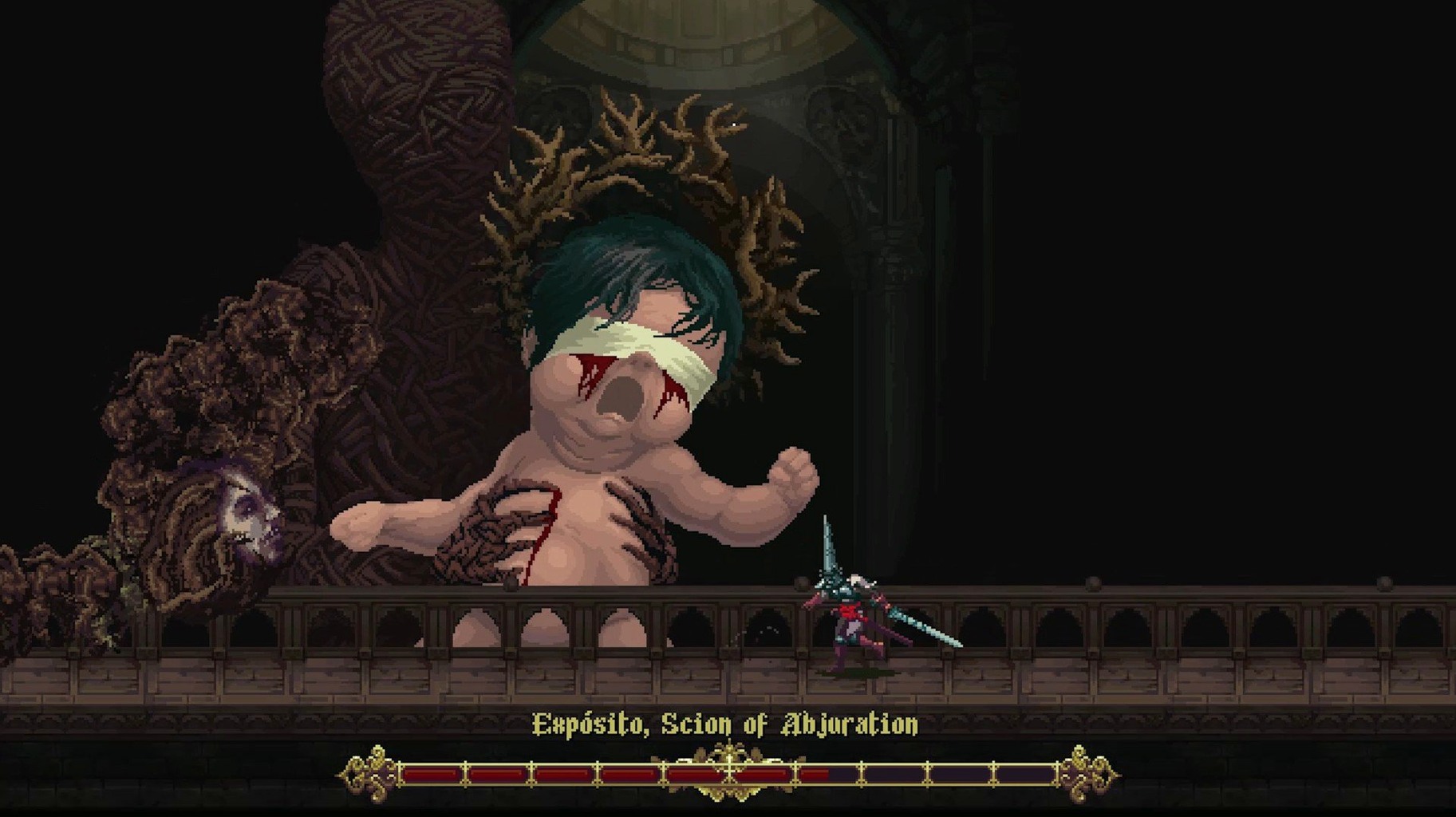
- Cross the threshold. The world is a non-linear knot of desecrated cathedrals, frozen mountains and sunken villages. Routes fork early; the order in which you face the game’s guardians is largely yours to decide.
- Equip the sorrow. Scattered relics alter your movement and resistances. Rosary beads stack passive effects. Sword hearts change the properties of your blade, Mea Culpa, while prayers let you call on ranged miracles powered by Fervour.
- Execute the condemned. Combat is weighty and deliberate. Weakened enemies can be finished with a pixel-art execution animation — gruesome tableaux rendered in the same hand-drawn style as the world itself.
- Descend into the dream. The Spanish and English voice work is sparse and ecclesiastical, surfacing in key encounters. It colours the nightmare rather than explaining it, which suits Cvstodia’s obsession with silence and ritual.
In short: a 2D action platformer of measured brutality, built around customisation of the Penitent One’s loadout and a map that rewards wandering as much as mastery.
Comparisons: three dark altars on macOS
Place Blasphemous beside Hollow Knight and the difference is one of weight, not quality. Where Team Cherry’s insect kingdom floats with a balletic jump and a feather-light dash, Cvstodia drags at the ankles. The Penitent One plants each step; his sword swings commit with a recovery window that cannot be cancelled. Both games share a fondness for corpse-run retrieval and map fragments you must earn before the terrain makes sense, yet the mood diverges completely — Hallownest hums with melancholy, while Cvstodia chants in guilt.
Dead Cells speeds in the opposite direction entirely. Motion Twin’s roguelike lunges from room to room at a sprint, its combat a blur of colour-coded weapons and chained dodges. Blasphemous never hurries. It wants you to watch the execution animations play out, to read the item descriptions for scraps of lore, to stand still and listen to the low drone of a desecrated chapel. If Dead Cells is a drum solo, Blasphemous is a requiem.
A third companion worth naming is Salt and Sanctuary, another 2D souls-like that also begins on a blood-soaked shore. The two share an interest in religious dread and deliberate combat, though Ska Studios’ title leans further into RPG stat sheets and a more granular equipment system. Blasphemous trades that spreadsheet depth for a tighter, more art-directed set of tools: you are not building a character from scattered numbers, you are assembling a reliquary.
First days: practical footholds
The first hours in Cvstodia can feel ungenerous. Here are a few habits that ease the pilgrimage without spoiling discovery.
- Mark the map in your own language. The game offers no automatic annotation for locked doors or unreachable ledges. By the time you have visited three biomes, you will forget which red-tinged gap required a relic you did not yet possess. A notepad — physical or digital — with a handful of shorthand symbols saves pointless backtracking.
- Break every object in a boss arena before the fight. Candles, urns, wooden barricades: many hold Fervour orbs. Topping off your Fervour before a guardian means opening with a prayer rather than scrambling to build the gauge mid-combat.
- Listen for the confessor’s bell. In several hub areas, a faint metallic ring signals a hidden alcove nearby. The sound is easy to miss beneath the ambient choir, but it almost always marks a useful item or a shortcut back to Albero.
- Do not hoard Tears of Atonement. The currency dropped on death can be recovered, yet spike pits and bottomless falls sometimes place the guilt fragment in unreachable spots. Spend Tears on upgrades at the Mea Culpa altar whenever you have enough; a full purse tempts misfortune.
Settings: three adjustments before the pilgrimage begins
The default configuration is serviceable, but a few tweaks sharpen the experience considerably on macOS.
- Disable screen shake. The camera trembles during heavy strikes and executions, and while it reinforces the impact on a large display, it can fatigue the eyes during longer sessions. The toggle sits under Options, in the Game section.
- Switch the confirm button to match muscle memory. Blasphemous lets you remap the controller layout freely. If you come from other action-platformers on a DualSense or Xbox pad, swapping dash to a shoulder button (R1 or RB) keeps your right thumb on the face buttons for attacks and parries — a small change that pays off against later bosses.
- Set voice audio to Spanish, subtitles to English. The Spanish voice cast recorded with a liturgical gravity that the English dub does not always match. Keeping English interface text preserves item clarity; hearing the original delivery deepens the atmosphere without losing comprehension.







Correspondence 0
Take a chair or join the table to send a letter.
No correspondence on this note yet. Letters are read before they appear.