 LeCoqRoti
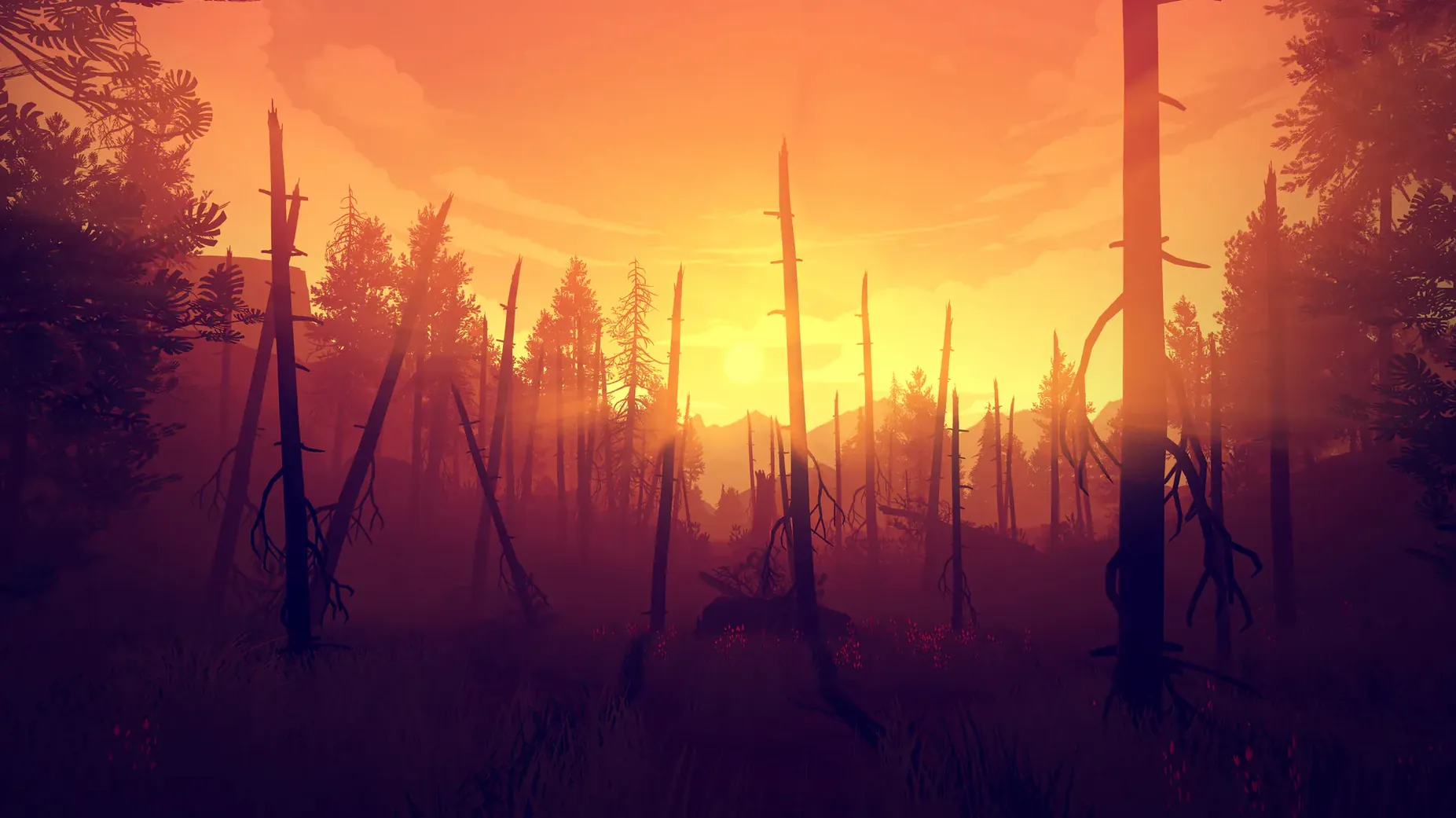
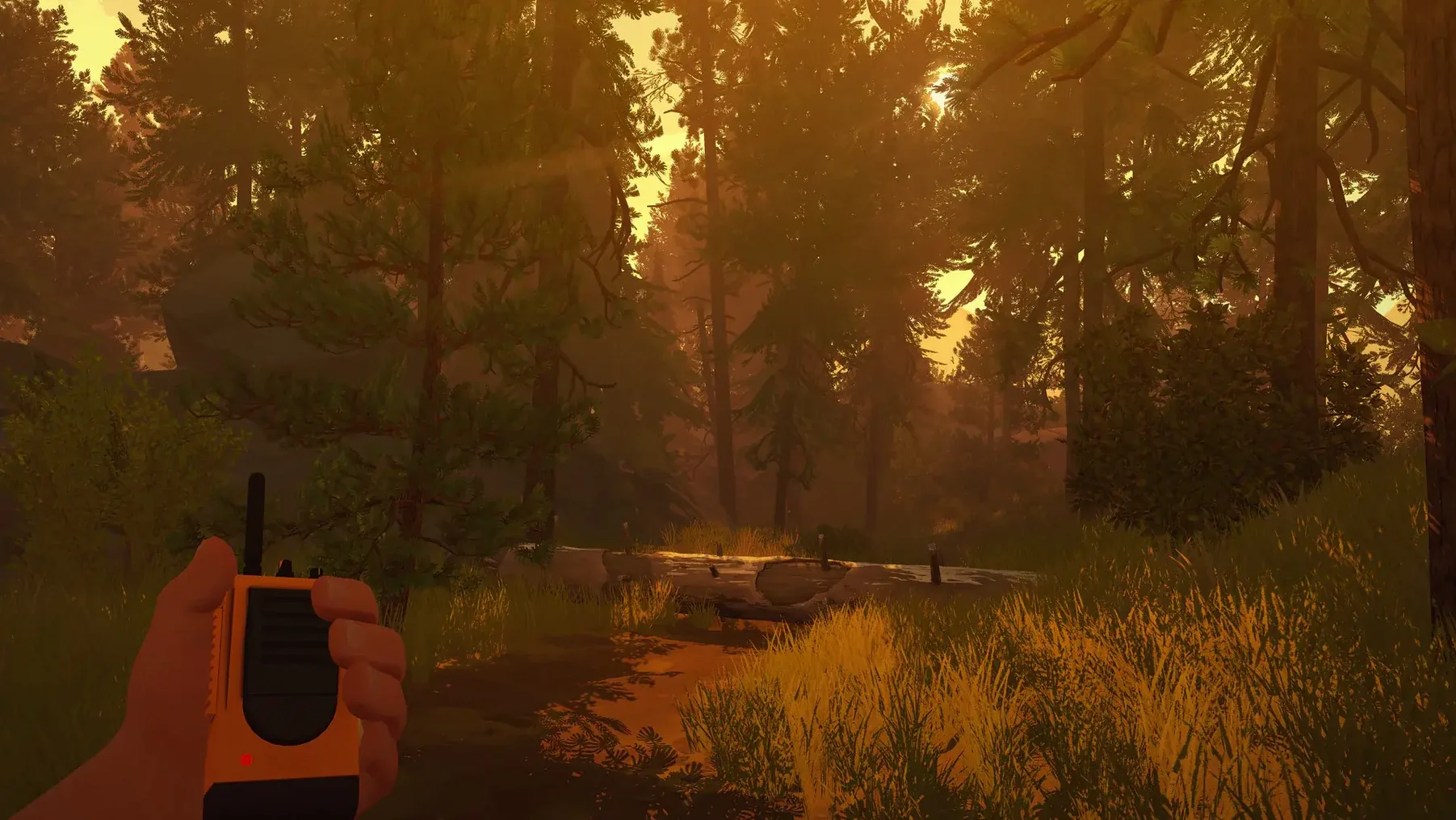
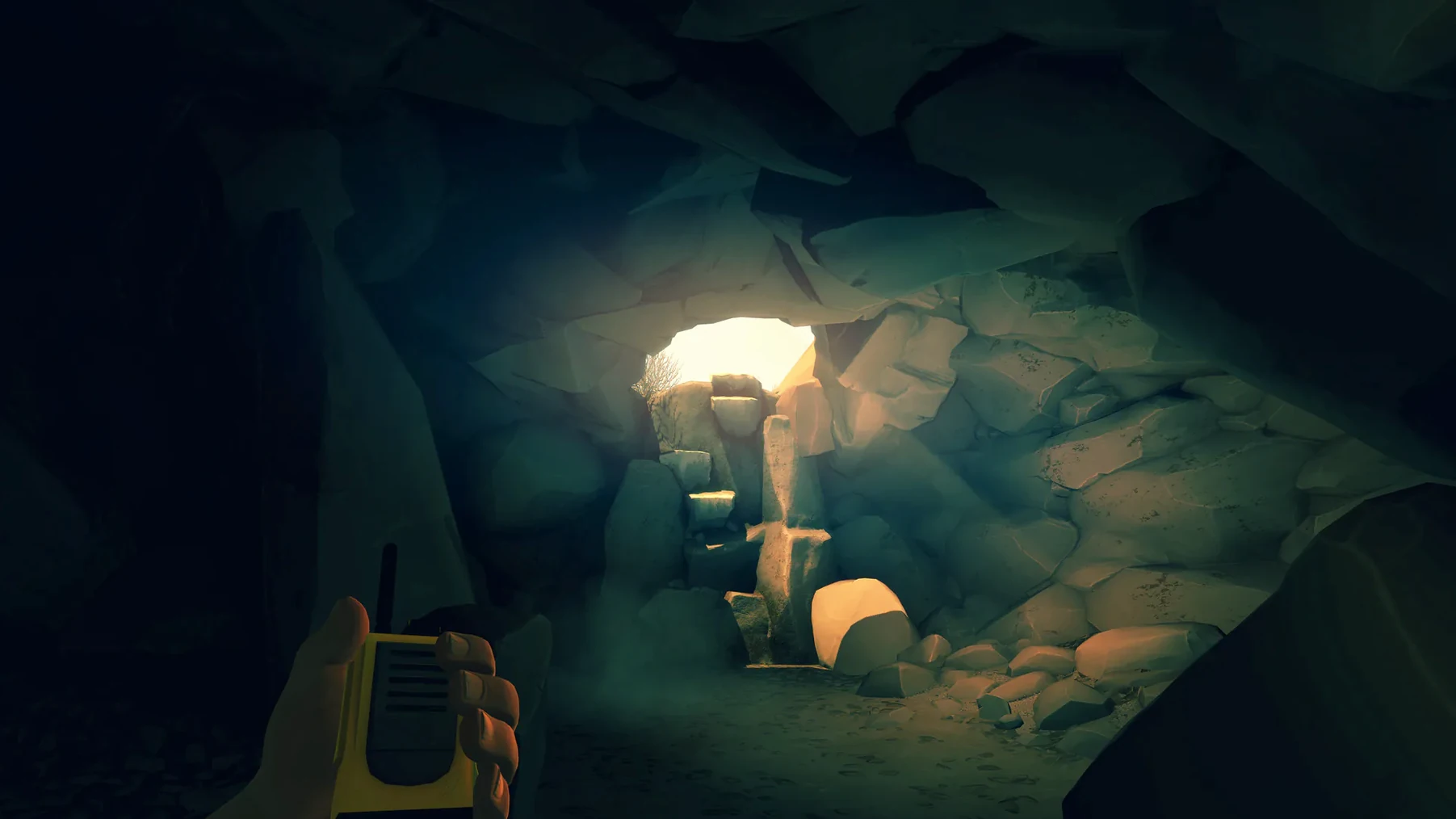
Delilah’s voice crackles over the handheld radio just as the first odd detail registers at the edge of the trail. From that moment the wilderness feels less empty and far less safe. Campo Santo’s first-person mystery places you in the boots of Henry, a man who has retreated to a fire lookout tower in the Wyoming backcountry. The year is 1989, and an uneasy quiet settles over the forest until something strange pulls him down from the tower and deep into the trees. The relationship between Henry and his supervisor Delilah shifts with the choices you make, lending a quiet weight to every radio exchange.
Dialogue over action: players who savour slow-burn mystery
- Players who savour dialogue-driven stories over action set-pieces
- Anyone drawn to slow-burn mystery in a vividly realised natural landscape
- Those who like their choices to shape a relationship, not a branching plot map
- Fans of single-sitting experiences — the arc is compact and intentionally so
Who might pause before downloading
Someone seeking mechanical depth or a challenge of reflexes will find little to hold them here. Firewatch is a narrative vessel first. The map is open but the tools are few: a compass, a map, a radio. If the idea of walking through sun-dappled pines while two people talk about duty and regret sounds thin rather than rich, this particular trail may not be yours. The pleasure lies in atmosphere, voice performance and a story that trusts silence as much as speech. In short: a game for the patient listener, not the restless explorer.
Lingering in the tower: why the opening text choices matter
When the game opens, resist the urge to sprint. The opening section in the lookout tower sets the emotional register for everything that follows, and the text-adventure framing establishes Henry's backstory through choices that feel small but accumulate quietly. Linger over the answering-machine messages and the typewritten notes pinned to the corkboard; Campo Santo tucked character detail into these objects that radio conversations later assume you have absorbed.
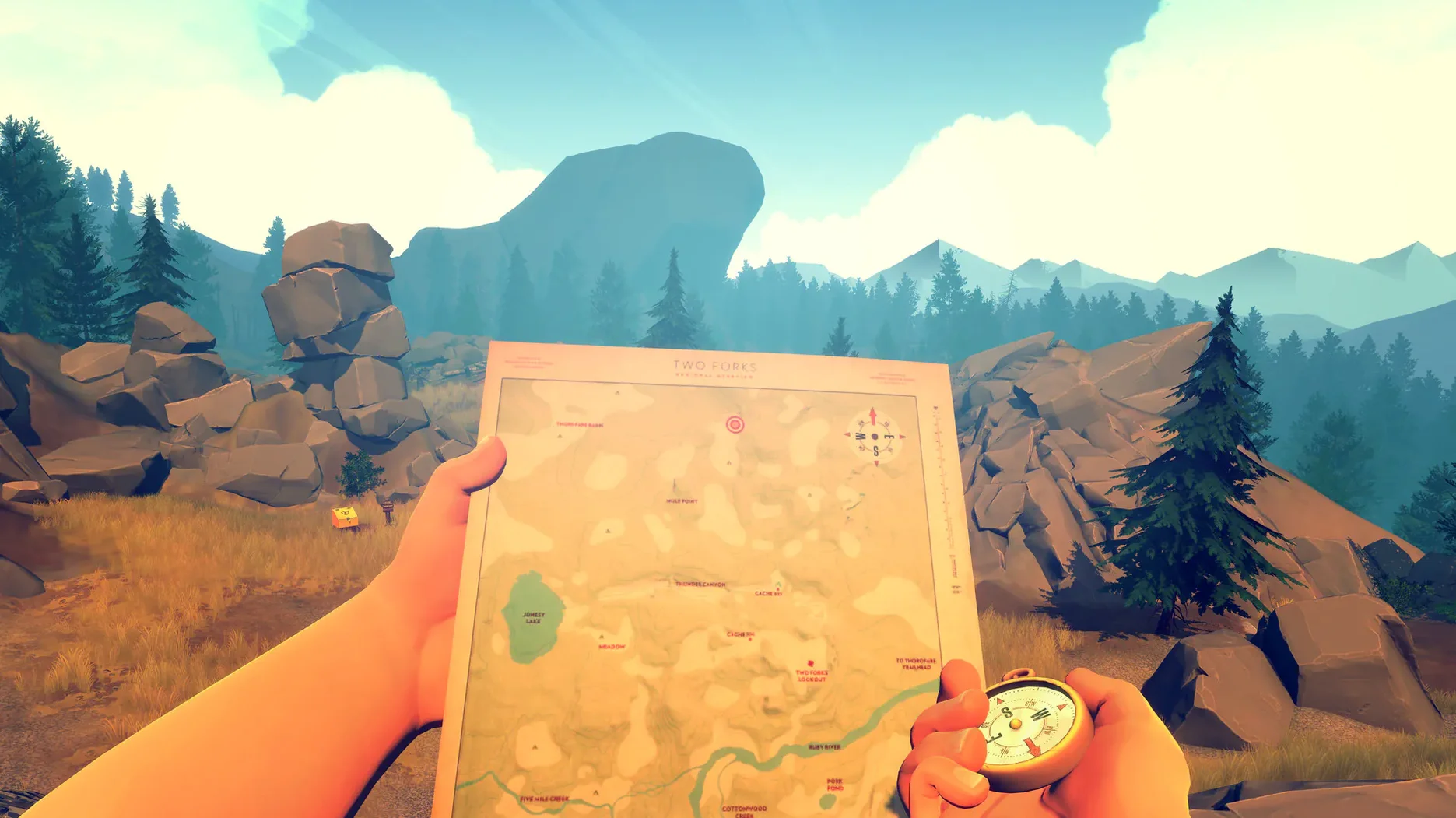
Once the forest opens up, get comfortable with the map-and-compass pairing early. The map marks your position only when you pull it out and orient yourself — there is no floating waypoint or mini-map tucked into a corner of the screen. This means the first hour involves genuine wayfinding. Use the supply caches as navigation landmarks: each one is labelled on the map and visible from the trail once you know what to look for. The compass hangs at the top of the screen by default, and its needle points reliably north. Between the two tools, you are never truly lost, only temporarily turned around, which feels exactly right for a story about a man who wanted to disappear into the trees.
A small interface note: the radio prompts appear as timed dialogue options, and some expire if you hesitate too long. The game does not pause while they wait for you. In the early scenes this matters little, but later conversations benefit from a readiness to respond. If you tend to deliberate, consider positioning your fingers near the response keys during the quieter stretches so a silence does not become an answer by default. The relationship with Delilah tracks these moments, and a missed prompt is itself a choice the game remembers.
Stuttering on Intel Macs: frame pacing when the camera sweeps trees
The most frequent stumbling block appears in the form of stuttering or uneven frame pacing on Intel Macs, particularly when the camera sweeps across dense tree lines. The game's Unity engine draws the Shoshone National Forest with a generous draw distance, and older integrated graphics can labour under the canopy. A quick remedy: lower the Shadow Quality setting one notch before touching the resolution. Shadows in Firewatch are soft and diffuse by design, so the visual difference is modest while the performance gain is often immediate.
Another quirk surfaces around the save system. Firewatch autosaves at scene transitions and does not offer manual save slots. If you quit mid-chapter, you resume near the start of that section, not at the exact moment you left. This is rarely a problem given the chapter lengths, but it catches players who treat the game as a ten-minute diversion between tasks. The better approach is to play one chapter at a sitting; each runs roughly forty minutes to an hour, and the narrative rhythm is built for that cadence.
On the audio side, a handful of users report radio dialogue dropping to near-inaudible levels after switching to external headphones or USB audio interfaces. The game does not dynamically adjust output channels once it has launched. If Delilah's voice suddenly fades, quit fully and relaunch with your preferred audio device already connected and set as the system default. The handheld radio crackle should return at full presence.
No more snagging on rocks: the terrain collision overhaul
Version 1.12a, the current Mac build, arrived as part of a broader housekeeping pass that addressed several long-standing rough edges. The most welcome change in everyday play is the overhauled terrain collision: Henry no longer snags on low rocks and fallen branches that previously acted as invisible walls along the trail edges. Movement through the forest feels smoother and less interruptive, which matters greatly in a game where walking is the primary verb.
The update also brought improved subtitle rendering across the localised languages — Russian, French, German, Spanish, Simplified Chinese and Japanese — with better line-breaking and timing relative to the English voice track. For players who prefer to hear the original performances while reading along, the subtitle sync is now tight enough that a line rarely overstays its welcome on screen. Additionally, the Unity engine version was bumped, which quietly improved memory handling on macOS. On machines with limited RAM the game now pages assets more cleanly, reducing the occasional texture pop-in that could break the spell during long sessions.
Alongside other narrative-driven Mac titles
Placed next to What Remains of Edith Finch, Firewatch feels more conversational and less curated in its set-pieces. Edith Finch moves you through a sequence of mechanically inventive vignettes, each one a self-contained short story. Firewatch, by contrast, asks you to inhabit one relationship across several hours of uninterrupted wilderness time. The emotional arc is less about surprise and more about accrual: the slow build of trust, evasion, and half-truths between two people who cannot see each other. Where Edith Finch dazzles with formal variety, Firewatch holds you with voice and landscape.
Compared to Gone Home, another first-person narrative built around environmental storytelling, Firewatch substitutes the indoor claustrophobia of a single house for the agoraphobia of a national forest. Gone Home reveals its story through objects left behind; Firewatch reveals its story through what Delilah chooses to say and what she quietly omits. Both games trust the player to piece things together, but Firewatch gives you a living conversation partner, which makes the silences land differently. The Wyoming setting also offers a kind of visual respite that a rainy Oregon mansion cannot — long views, shifting light, the sense that the landscape itself is watching.
Lastly, consider The Vanishing of Ethan Carter. Both games trade in mystery and beautiful, lonely environments, but Ethan Carter is explicitly supernatural from its opening frames and leans on puzzle-solving as the primary interaction. Firewatch keeps its strangeness ambiguous for much of its runtime and resists the puzzle-game label almost entirely. The difference is tonal: one game asks you to resurrect a crime scene with paranormal sight; the other asks you to walk through a forest and decide what to confess over a radio. Players who found Ethan Carter’s puzzles a barrier will likely settle into Firewatch with less friction. In short, the game is a conversation you hike through, and the trail is better when you know what to pack.







Correspondence 0
Take a chair or join the table to send a letter.
No correspondence on this note yet. Letters are read before they appear.