 LeCoqRoti
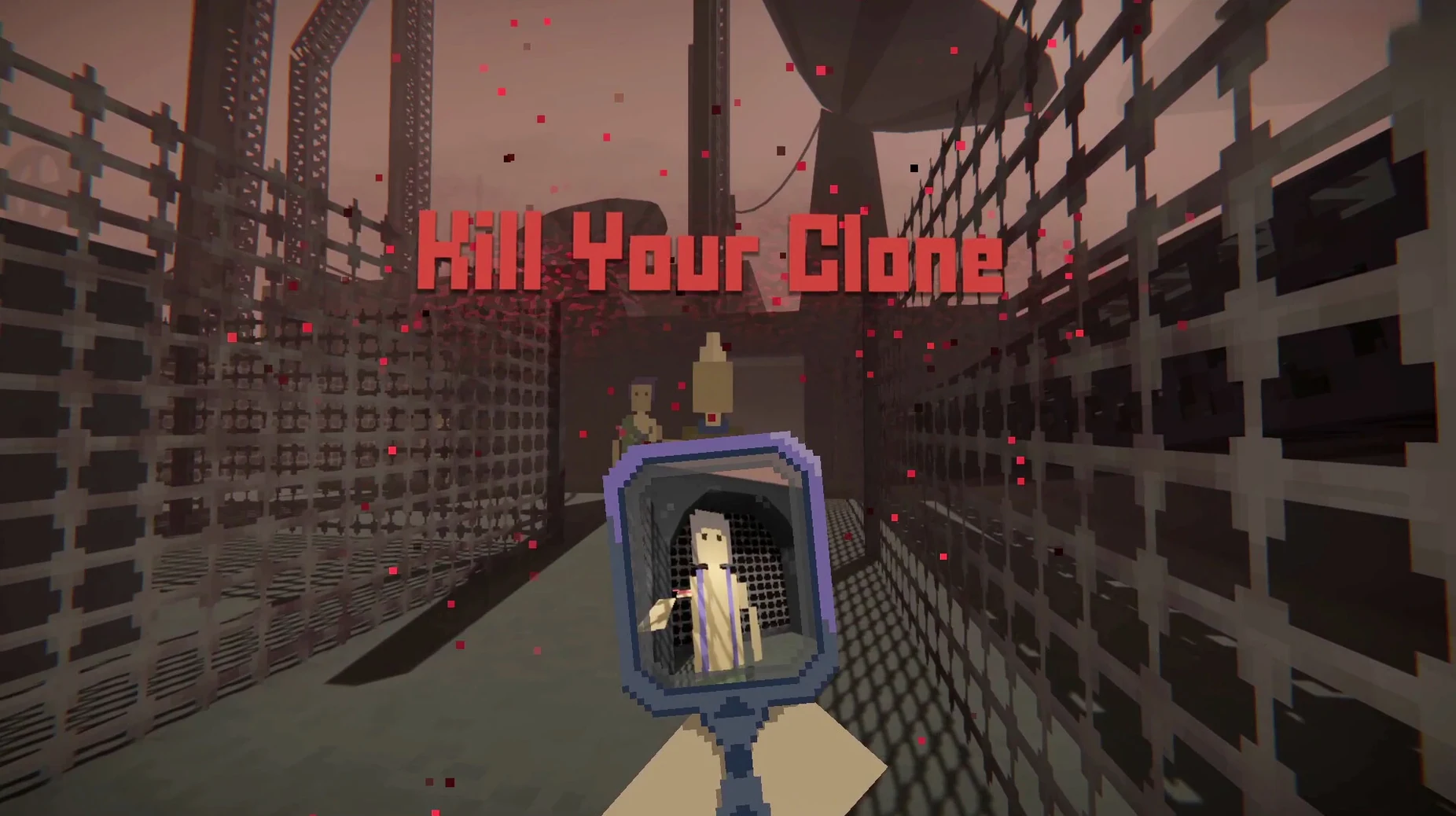
NightByte Games' debut draws the sort of player who finds tension in stillness: watching a crowd, waiting for a gesture that does not quite belong.
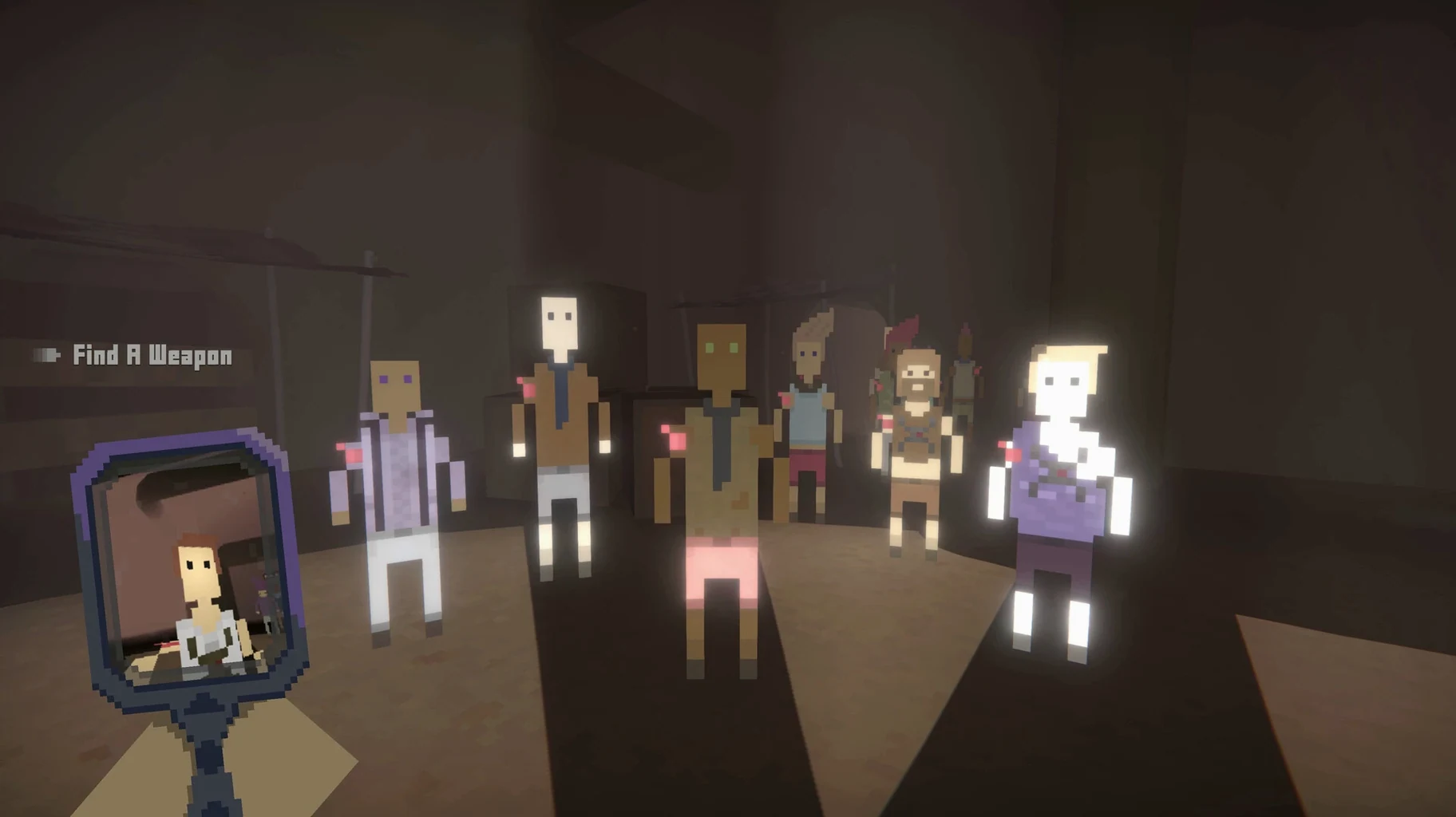
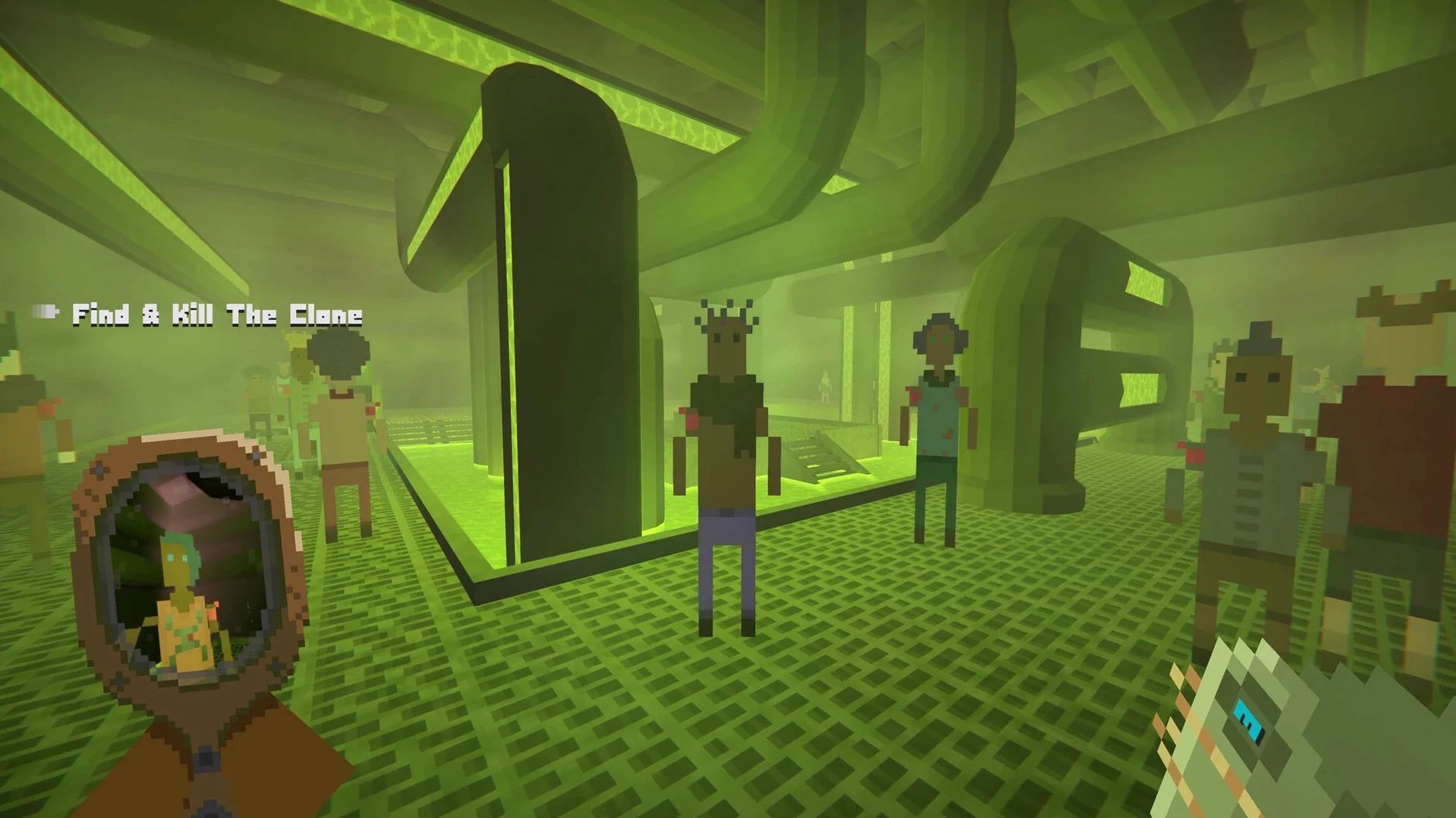
Observation phase — Each run places you in a procedurally arranged space filled with moving bodies. Your clone is among them, mimicking behaviour almost perfectly. The task is not combat but sustained scrutiny; you watch for a blink that lingers too long or a turn of the head that comes a fraction late.
Planning the strike — Attack is a single, high-stakes decision. Approaching the wrong person scatters the crowd and resets the clone's position. You commit only when the difference is unmistakable.
Progression — Successful hunts yield roguelite upgrades that alter subsequent runs: sharper visual cues, extended observation windows, or tools that slow the clone's movement without alerting the crowd.
Failure and repetition — A missed identification or impulsive strike pushes you back to the start. Runs are short and dense, built for evenings when you want pressure that rewards patience over reflexes.
Crowd density now scales per run: a room of twelve figures becomes twenty
The move from early access to version 1.0.12 brought changes that veteran players notice immediately. Crowd density now scales more aggressively in later runs, so a room that held twelve figures on your first attempt might hold twenty by the fifth. That shifts the observation rhythm: you spend longer circling the perimeter, and the clone has more cover to exploit.
Lighting in procedural spaces received a subtle rebalance. Corners that were once reliably dim now carry a faint ambient glow, reducing the number of places where the clone can simply vanish. It makes the hunt fairer without softening the dread, because you can see more but you still have to look. The developer also tightened the window between the clone’s tells — a too-slow turn, a glance held a beat too long — so that hesitation costs you the opening. Where earlier builds gave you a generous three or four seconds to decide, the current version pushes that closer to two. It forces a sharper style of play: you observe in motion, not in stillness.
Mistakes that cost a run
A common early error is treating the clone like a stealth target you can stalk indefinitely. New players will follow a suspect through three or four rooms, waiting for absolute certainty. The crowd does not stay static, and prolonged trailing usually ends with the clone slipping into a group and resetting its behavioural pattern. Shorter, repeated passes through a space yield more information than a single long tail.
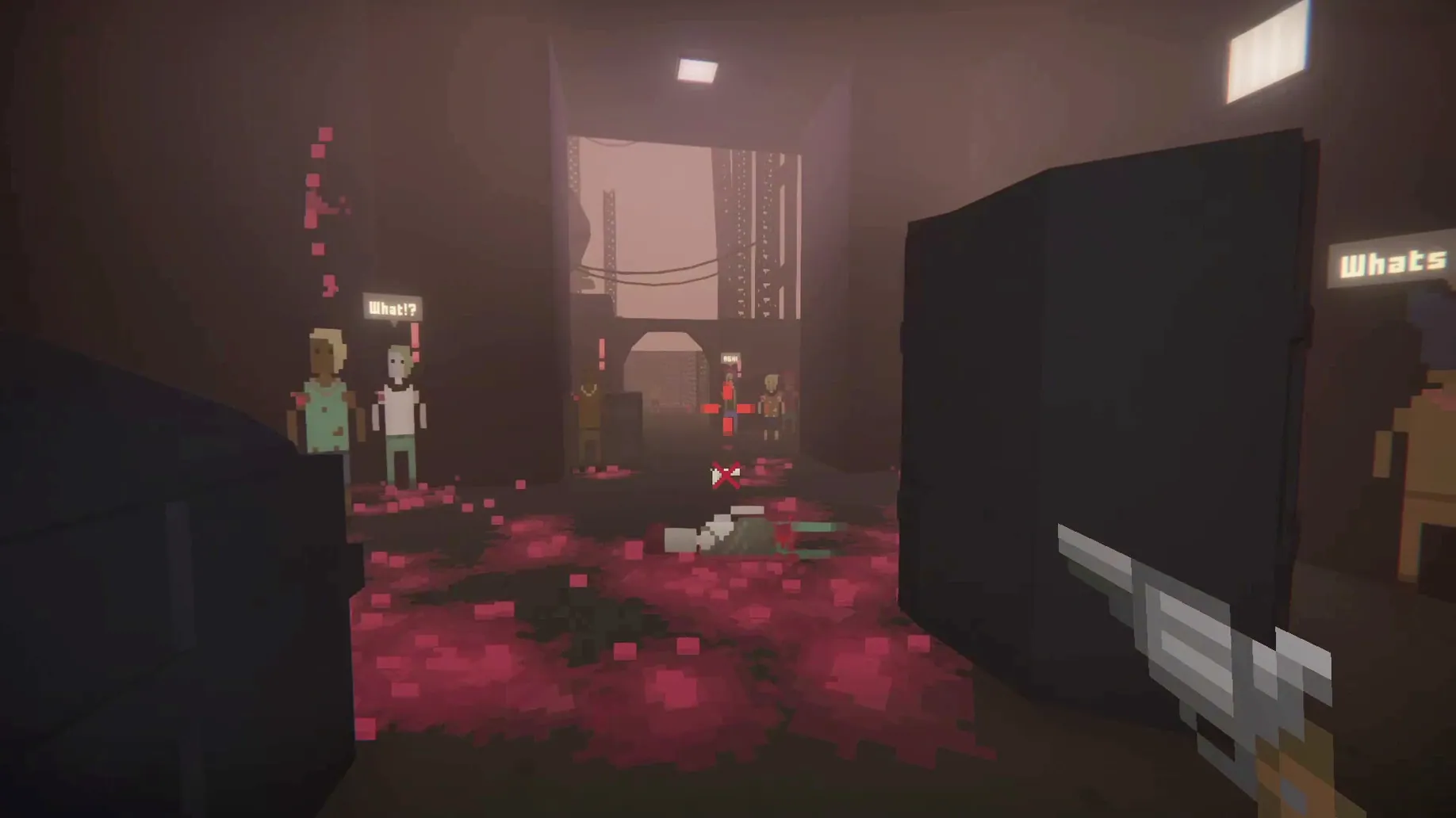
Another trap lies in scavenged weapons. Finding a pistol or a blade early on can create the illusion that force is a substitute for observation. It is not. Attacking the wrong figure with a weapon still fails the run, and ammunition is scarce enough that wasting a shot on a hunch leaves you empty-handed when the real clone finally reveals itself. The game punishes guesswork, and the quickest way to learn that is to act on a half-formed suspicion.
Some players also ignore audio cues entirely. The sound design is sparse but deliberate: footsteps that fall slightly out of sync with the crowd’s rhythm, or a breath that does not match the ambient noise, can be the first sign that your clone is nearby. Playing without headphones, or with music overriding the game’s mix, strips away a layer of information the encounter expects you to use.
Who draws the sharpest experience from it
Horror players who prefer tension over gore. The biological horror elements are present but never gratuitous. The fear comes from proximity and uncertainty, not from spectacle, which suits those who find dread more affecting than shock. If you have played and admired the quieter stretches of Anatomy or the social unease of Among Us played solo, the tone will feel familiar.
Roguelite fans who value decision density. Runs in it has my face mac full version rarely exceed fifteen minutes, and every moment carries weight. There is no inventory management, no build crafting — just a tightening loop of observation, recognition, and commitment. The upgrade tree is lean, which means each choice changes how you read a room rather than simply inflating stats. Players who enjoy Slay the Spire or Into the Breach for their economy of action will recognise the same discipline here, applied to a very different genre.
Mac users with short, irregular play windows. The game loads quickly, saves nothing between runs, and asks for no ongoing narrative commitment. On a MacBook Air during a lunch break, or on a desktop in the half-hour before dinner, it delivers a complete arc. The fact that it runs natively on Apple Silicon and Intel means it does not demand a recent machine, and the disk image installation keeps the footprint light — drag, launch, play.
People who like being watched. The clone is not the only thing studying you. The crowd reacts to your presence in small, accumulating ways: a figure that turns as you pass, another that stops talking when you linger. The game understands that paranoia is a two-way street, and the players who get the most out of it are those who enjoy feeling like a subject as much as an observer.






Correspondence 0
Take a chair or join the table to send a letter.
No correspondence on this note yet. Letters are read before they appear.