 LeCoqRoti



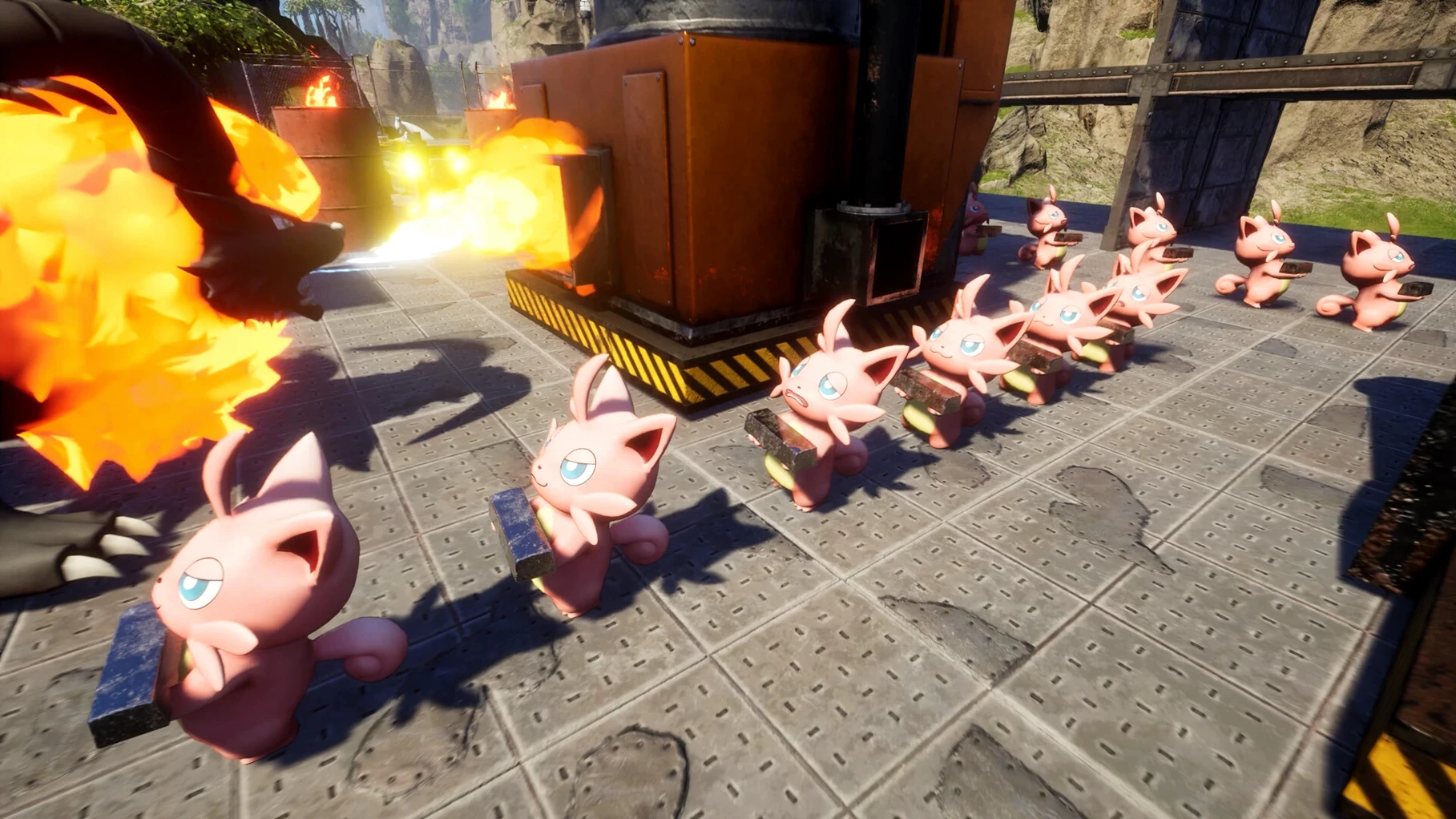



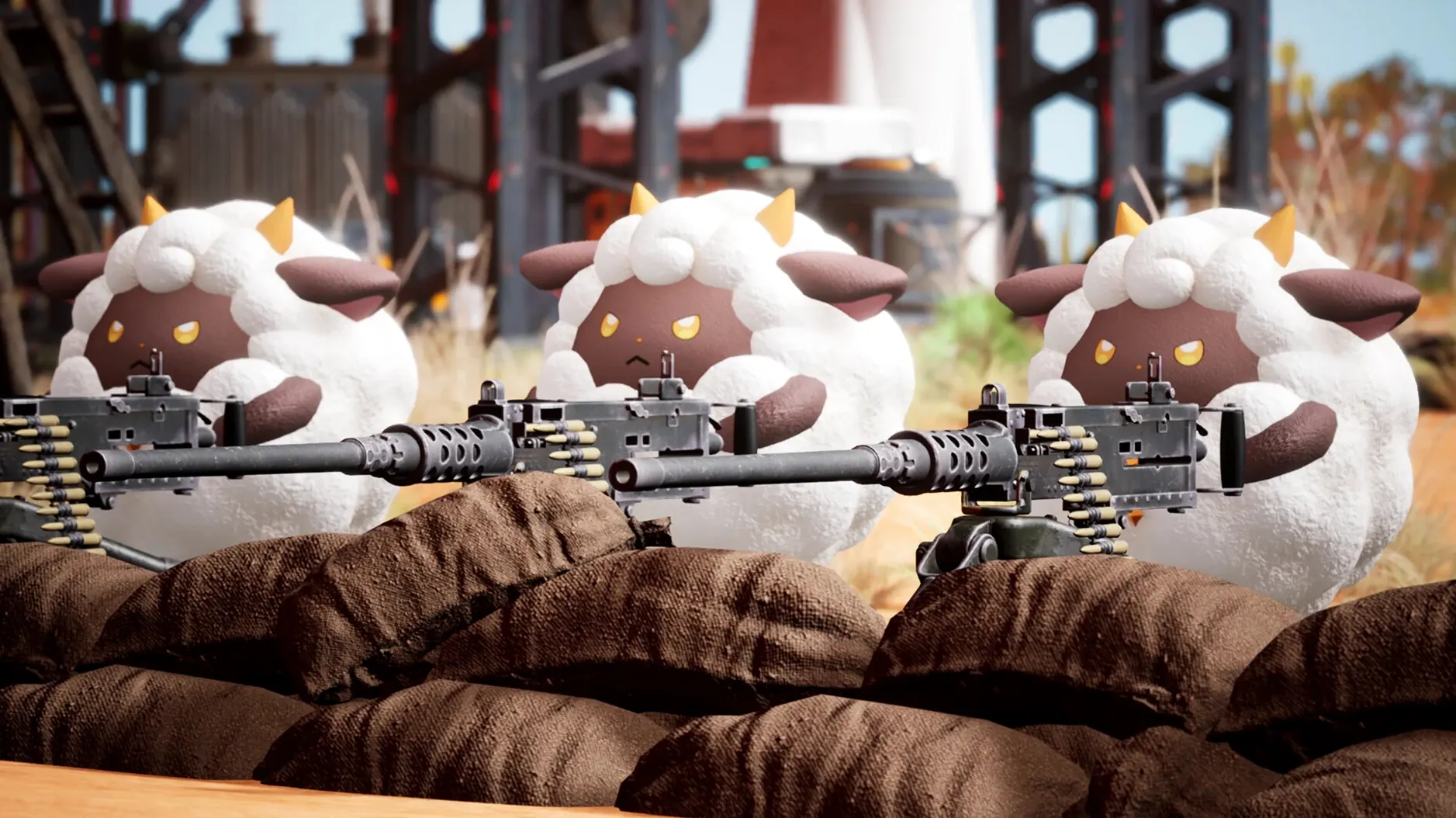
Palworld is an open-world survival game where you collect, befriend, and employ mysterious creatures known as Pals. It blends creature-catching with base building, farming, and combat, giving each Pal a practical role beyond battle: they can mine ore, water crops, or power your generators while you expand your territory. The world is bright and expansive, but the tone is sharper than it first appears — Pals can be sold, dismantled, and even eaten, so the experience sits somewhere between a cosy ranch sim and a darker resource-management challenge.
Builders and tinkerers: automation turns wilderness into humming settlements
If you like games that let you set up production chains, automate tasks, and gradually turn a patch of wilderness into a humming settlement, Palworld rewards that instinct deeply. Assigning Pals to plantations, factories, and power stations gives a tangible sense of progress; a well-organised base feels like a machine you designed yourself. The multiplayer co-op layer makes it easy to share that world with friends, dividing labour or simply showing off your latest hatchery. Players who enjoy games like Satisfactory or Slime Rancher will recognise the loop — gather, build, optimise, repeat — but with the added texture of breeding and fighting alongside creatures that double as tools.
Who might hesitate: the gentler souls
Despite its pastel colours and fluffy character designs, Palworld has an edge that will not suit everyone. The survival mechanics are genuine: hunger, temperature, and hostile raids keep pressure on. More pointedly, the game allows you to treat Pals as disposable assets — dismantling them for parts or selling them off — which sits uncomfortably alongside the creature-companion fantasy. If you are looking for a purely wholesome, Animal Crossing-like atmosphere, the moral ambiguity and occasional brutality might push you away. It is a survival game first, and a friendship simulator second.
Settings: what to adjust before you raise the first roof
A handful of defaults are worth revisiting the moment the title screen appears. Open the options menu and look under Game Settings first: the Pal Appearance Rate slider defaults to 1.0, but nudging it to 1.2 or 1.4 makes the early hours feel livelier without tipping into chaos. The world is large and a sparse spawn rate can make the first island feel lonelier than intended. Next, disable Structure Decay Outside Base if you plan to build bridges, watchtowers, or remote waystations — the decay timer is aggressive and serves little purpose in solo play. Under Graphics, drop Shadow Quality to Medium and disable Motion Blur immediately; the latter adds a Vaseline smear to horizontal pans that obscures distant Pals you might want to track. On an Apple Silicon Mac the frame budget is tight, and these two changes buy back visible smoothness. Finally, bind Pal Command: Return to a key you can reach without looking — middle mouse or a thumb button — because recalling a Pal mid-fight is the difference between a close victory and watching your best worker collapse.
First days: habits that save grief
The opening hours teach you to catch Pals and build a shack, but they say nothing about the quiet systems that govern survival. Three habits make the difference between a stable foothold and a string of frustrating deaths:
- Place the Palbox on high, flat ground. The tutorial nudges you to drop it anywhere; do not listen. A raised, level site with clear sightlines in every direction makes base defence simpler and prevents Pals from pathing into cliffs or rivers. Large, aggressive Pals stuck on geometry will starve themselves and refuse to work.
- Build a storage crate and set it to "disallow all" Pals. By default, any Pal with the Transporting trait will move items into the nearest container. That sounds helpful until your ore, ingots, and cloth end up scattered across three different boxes. Lock the crate you use for refined materials and leave one feeder box near the ranch for overflow.
- Cook berries before the first nightfall. Raw berries restore almost no hunger and spoil fast. A campfire and a handful of kindling turn two dozen berries into a stack of baked goods that will keep your character and your first Pals fed through the second morning. Starvation depletes Pal sanity faster than any raid.
Comparisons: where Palworld sits among familiar names
Set beside Slime Rancher 2, the tone shift is immediate. Both games ask you to manage creatures and harvest their produce, but the rancher is a pressure-free sandbox; Palworld layers on hunger, temperature, and hostile incursions that turn base design into a defensive exercise. The slimes never unionise or refuse to work — your Pals will, if their beds are too cramped or the hot spring is overcrowded.
Next to ARK: Survival Evolved, the creature system is more legible. In ARK, a dinosaur is a mount, a cargo hauler, or a guard, but rarely all three at once. A single Pal can water your wheat, carry the harvest to a fridge, and fight off an invader within the same afternoon, and the Partner Skill system means each species interacts with the economy differently. ARK asks you to tame dozens of creatures to cover basic jobs; Palworld lets a smaller team overlap in function, which suits shorter sessions.
Against Valheim, the comparison hinges on automation. Valheim rewards patient manual labour: you chop, you haul, you smelt. Palworld lets you assign a team of Digtoise to an ore node and return to a full chest. The base-building vocabulary in Valheim is richer and the structural physics more expressive, but Palworld compresses the grind into something breezier, trading tactile craft for logistical choreography. If you enjoy Valheim for the quiet wood-chopping rhythm, Palworld may feel like it skips steps; if you enjoy Valheim despite the wood-chopping, Palworld is the faster route to the parts you like.
Small conveniences: details the tooltips never mention
A handful of shortcuts and interface behaviours stay invisible unless you stumble into them. Holding Shift while assigning a Pal to a workstation locks them to that task and prevents the base AI from reassigning them to a different job mid-cycle — essential for keeping a dedicated cook or miner focused. Tapping F while riding a flying Pal triggers a dismount that leaves you standing on their back, which lets you deploy a glider mid-air without falling; on mountainous terrain this turns a simple mount into a mobile launch platform. The sort button inside any container has a hidden secondary function: holding it for two seconds compacts identical stacks, so those five partial piles of fibre become one. And the grappling gun, easy to overlook among the weapon unlocks, works while encumbered. If you overshoot a mining run and cannot move, three shots across the ground will drag you and your spoils back to the Palbox faster than any Pal can carry them.








Correspondence 0
Take a chair or join the table to send a letter.
No correspondence on this note yet. Letters are read before they appear.