 LeCoqRoti
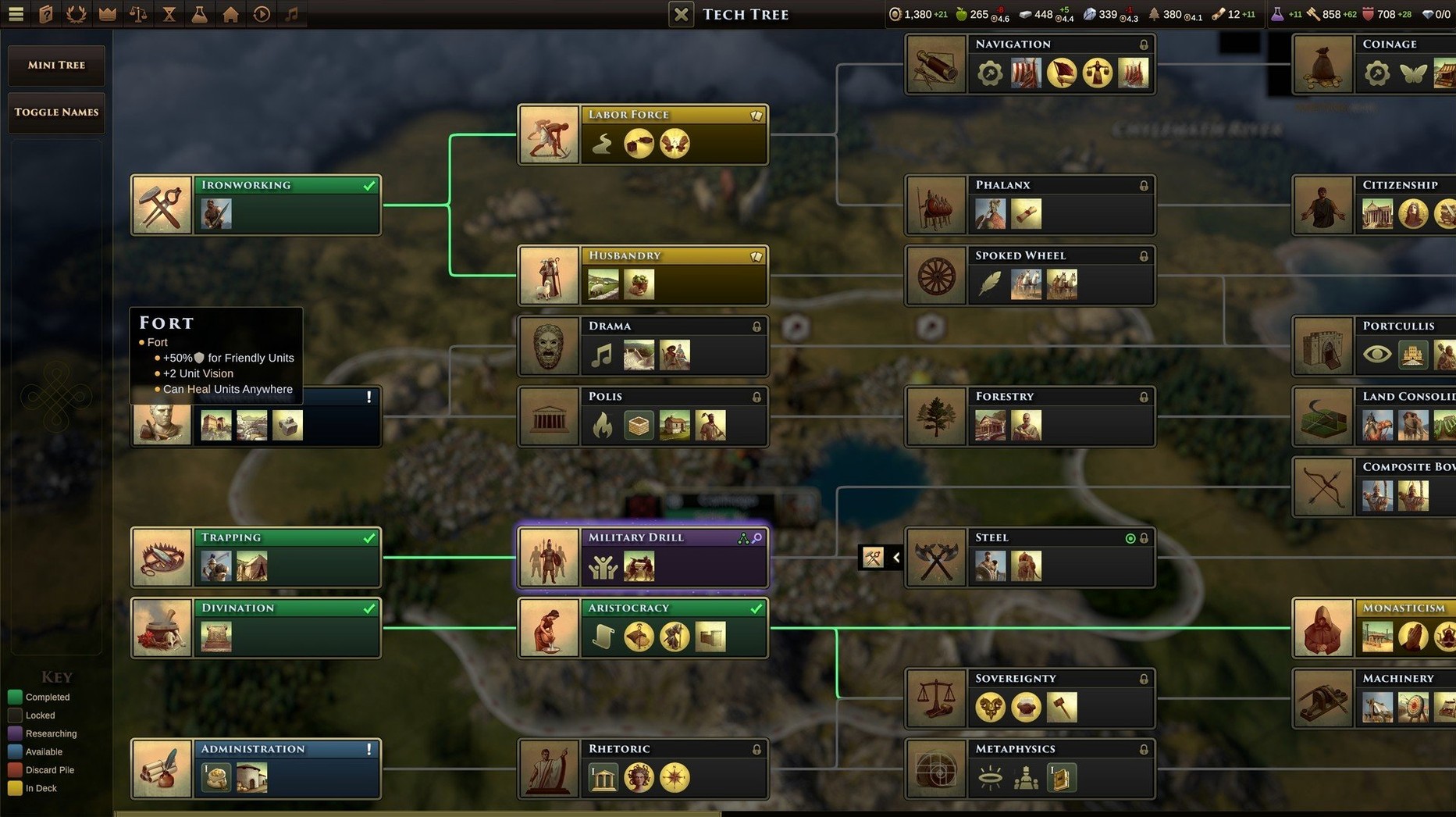
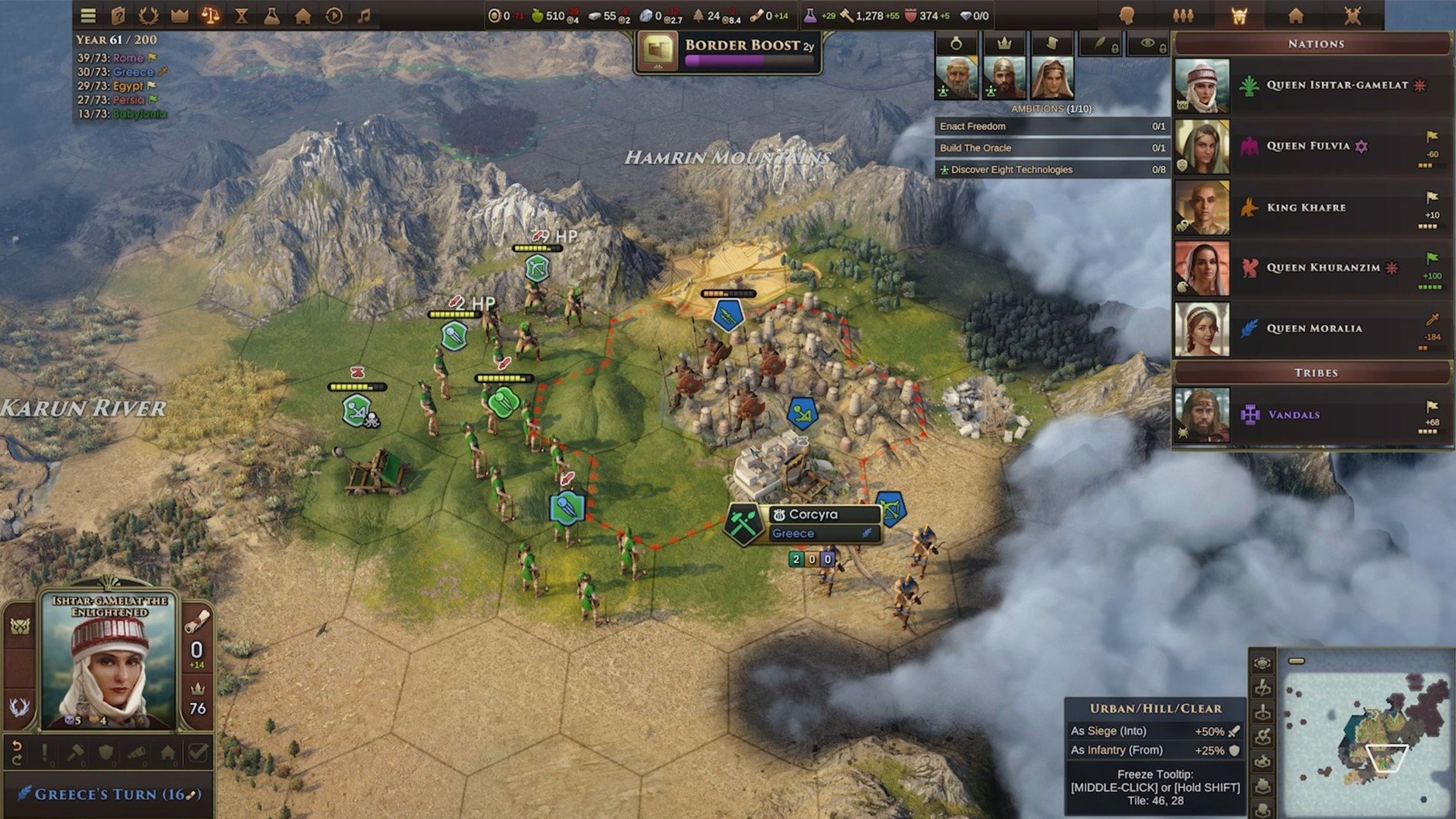
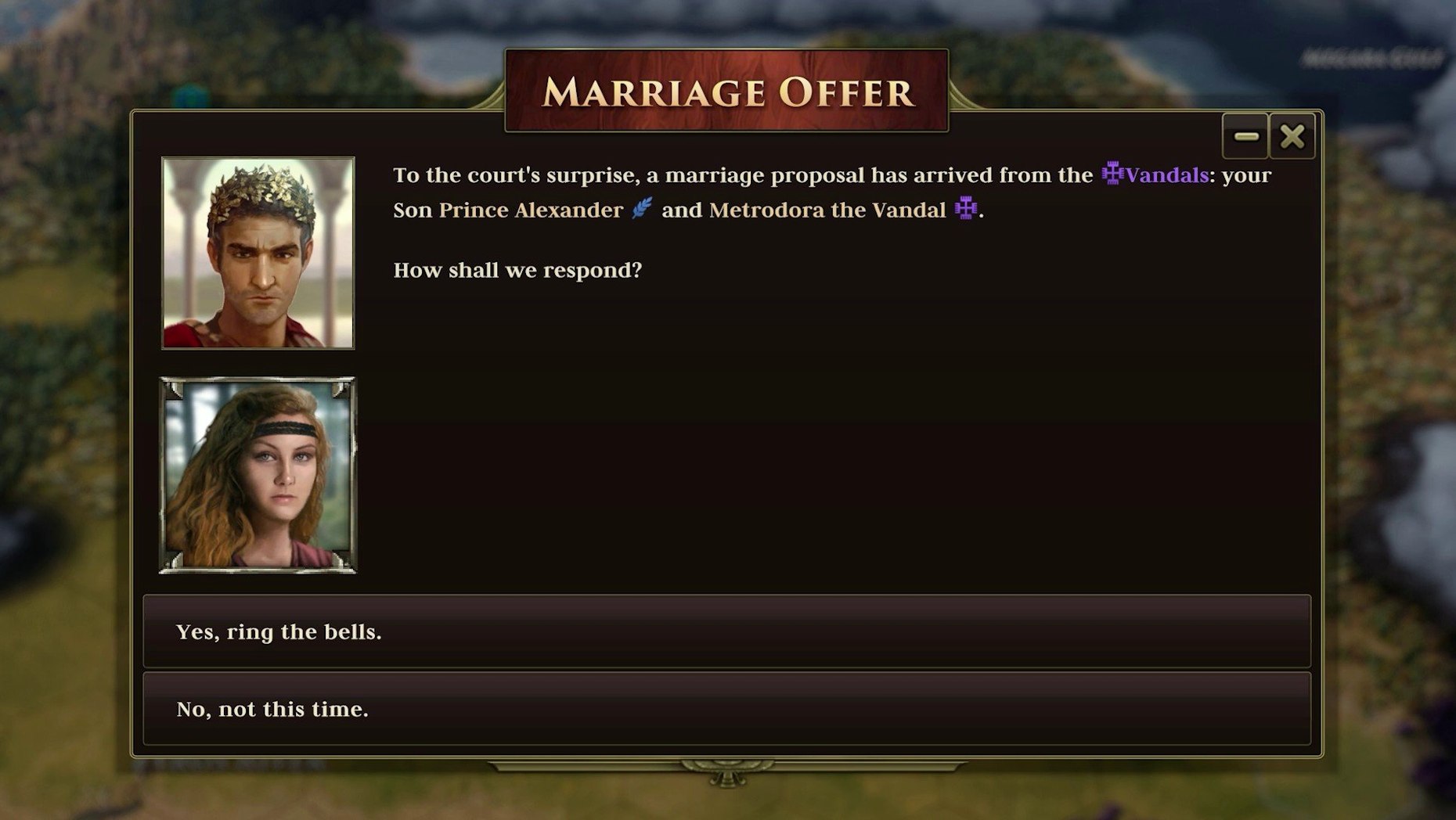
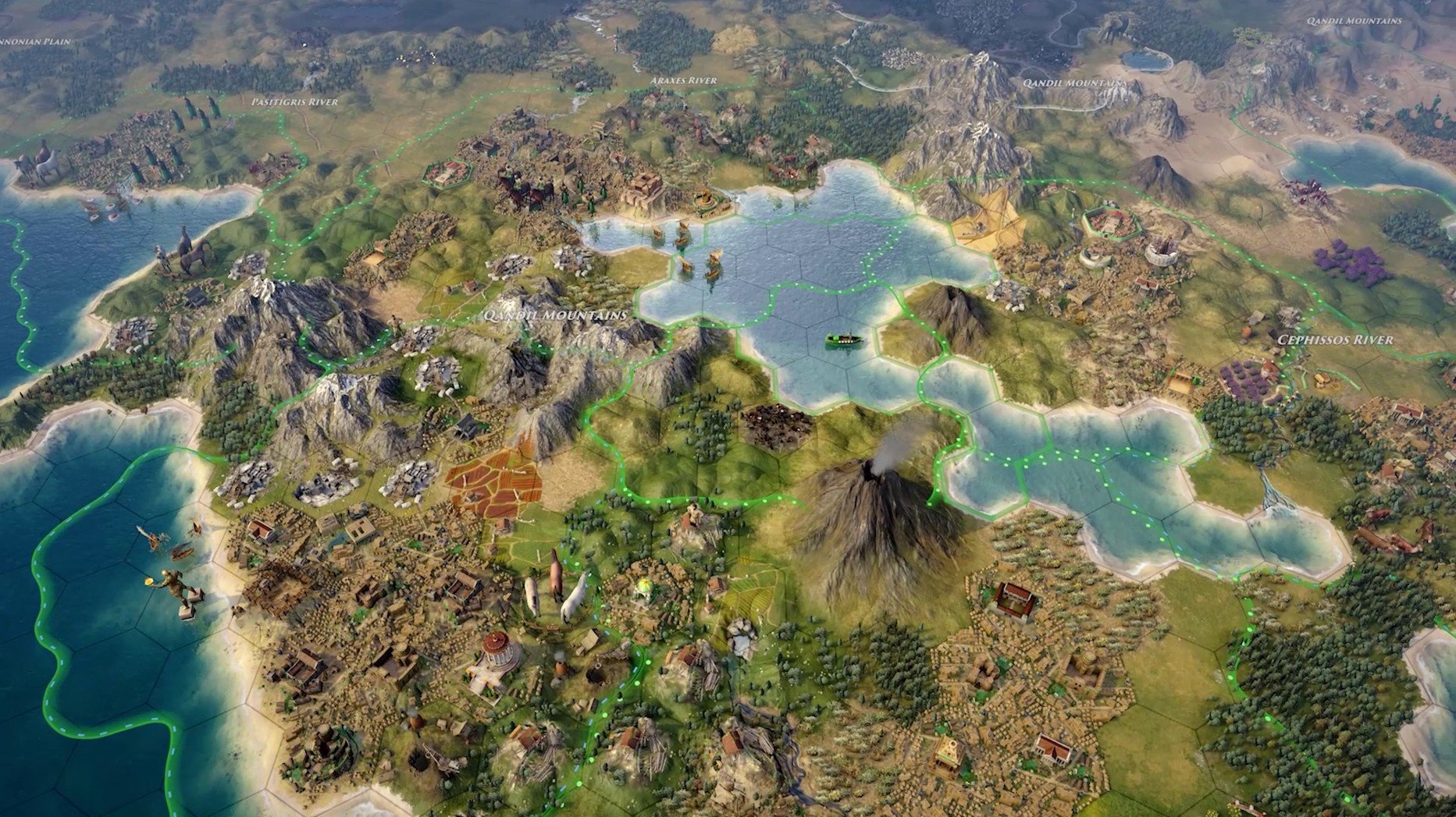
Strategists who favour dynastic intrigue over sheer conquest will find their footing in Old World. Designed by Soren Johnson and set across the Mediterranean during classical antiquity, it layers the familiar 4X framework with character-driven politics: each of the seven kingdoms contains four noble families whose ambitions can shape a campaign as much as any military manoeuvre. The map itself is a variable stage, offering hand-made historical scenarios, weekly challenges, and randomly generated terrain.
- Orders system: a finite pool per turn governs unit movement, construction, and diplomacy, forcing difficult choices about where to allocate attention.
- More than 3,000 events: drawn from history and mythology, these present branching decisions that alter relationships, traits, and the course of a reign.
- Dynastic management: noble families within each kingdom scheme, marry, and occasionally betray; heirs inherit both titles and grudges.
- Map variety: historical scenarios, weekly challenges, randomly generated maps, and hand-made maps all sit beside one another in the menu.
- Mod support: the game reads community-created scenarios and rule tweaks, extending its lifespan well beyond the official content.
The interface, available in eight languages including French, Japanese, and Simplified Chinese, keeps the dense information readable. In short: a strategy game where a family feud can undo what a legion cannot.
First days: three habits worth forming
A new strategy game can feel like a city you enter without a map. In Old World, the first few hours reward patience with a handful of deliberate habits. The Orders system, for instance, punishes the reflex to move every unit every turn. A useful early discipline: before touching anything, scan the top bar and note your available Orders count. Then assign movement only to scouts and the one or two military units that genuinely need repositioning. Untouched Orders carry over as a small reserve, and that cushion often saves a settlement from sudden barbarian pressure.
Second habit: open the family tree on day one. It sits in the top-left menu, and many players ignore it until a succession crisis forces their hand. Learn the names, ages, and traits of your ruler's immediate relatives. Marry off a young chancellor early, before a diplomatic slight makes the noble families unwilling to consider the match. A ruler who dies without a clear heir leaves a kingdom paralysed for several turns, and paralysis in the early game is almost impossible to recover from.
Third habit: read every event slowly. With more than 3,000 unique events in the pool, repetition is rare. The temptation is to click the top option and move on, but Old World often hides its most consequential modifiers in the second or third choice, the one that costs legitimacy or angers a specific family. Legitimacy, in particular, behaves like a second currency, invisible until it is dangerously low, and events are its primary faucet and drain.
Aegean map start: clicking End Turn first
A typical evening with Old World might begin on a hand-made map of the Aegean, playing as Greece under a young king with middling stats. The first click is always the End Turn button, not because anything is ready to advance, but to hear the short musical phrase that signals the game is alive and waiting. Then the camera pans slowly across fogged hills.
Scouts move first. Two units, three Orders each, threading between mountain passes. One stumbles onto a tribal camp and the event window opens: a painted elder offers a trade agreement in exchange for a marriage to the king's sister. Accepting would cost a point of Legitimacy; refusing would sour relations with the family that controls the army. The choice takes a full minute. The marriage is accepted. The sister appears in the character roster with a new loyalty penalty, and the king's chancellor, who had designs on that alliance, is now a quiet rival.
Next, the city queue. A granary is halfway finished, but a scout reports horse nomads two hexes from the eastern pasture. The granary is paused, a slinger is queued instead, and the remaining Orders for the turn go to moving the king toward the capital garrison. The turn ends. A child is born. An uncle demands a governorship. The game asks nothing and offers no tutorial pop-up; it simply waits.
Scenario: the historian who plays slowly
Consider someone who comes to Old World not from the 4X genre but from a background in classical history. This player is less interested in optimal build orders than in seeing whether a scenario captures the texture of a period. They load the pre-built map of Italy and select Rome, not because the legionaries are strong but because the early Republic presents an interesting tension between the patrician families. For the first thirty turns, they fight no wars. They read every event aloud, they note which family names appear in the character roster, and they deliberately provoke a feud between two houses just to watch the narrative unfold. When Carthage eventually declares war, it feels less like a game mechanic and more like an inevitable clash of two old world powers. The historian saves the replay, not to study tactics, but because the session produced a story worth retelling.
Workflow: a multiplayer match with asynchronous turns
Old World supports hotseat and cloud play, but asynchronous multiplayer suits its rhythm best. Setting up a match with a single opponent takes only a few steps, and the pace can stretch across days.
- From the main menu, select Multiplayer and then Cloud Game. Choose a small or medium map; large maps in asynchronous play can slow decision-making to a crawl.
- Pick a kingdom that complements the opponent's choice. If they select Assyria, whose early aggression is formidable, consider Babylon for its archer-based defence and science bonuses.
- Set the turn timer to 48 hours. This keeps pressure low. Both players can log in during a lunch break, issue Orders, and close the game.
- On your first turn, send a diplomatic greeting immediately. Even an empty compliment costs no Orders and establishes a communication channel. In asynchronous play, silence often reads as hostility.
- Each subsequent login follows the same small ritual: check the notifications log for enemy movements, scan the family screen for new children or deaths, spend Orders, and send a brief in-game note about any border tension. The note system replaces the table talk that synchronous sessions provide.
- When a war declaration arrives three days later, the notification sits in the inbox like a letter. The reply, written in character, is half the pleasure.







Correspondence 0
Take a chair or join the table to send a letter.
No correspondence on this note yet. Letters are read before they appear.