 LeCoqRoti

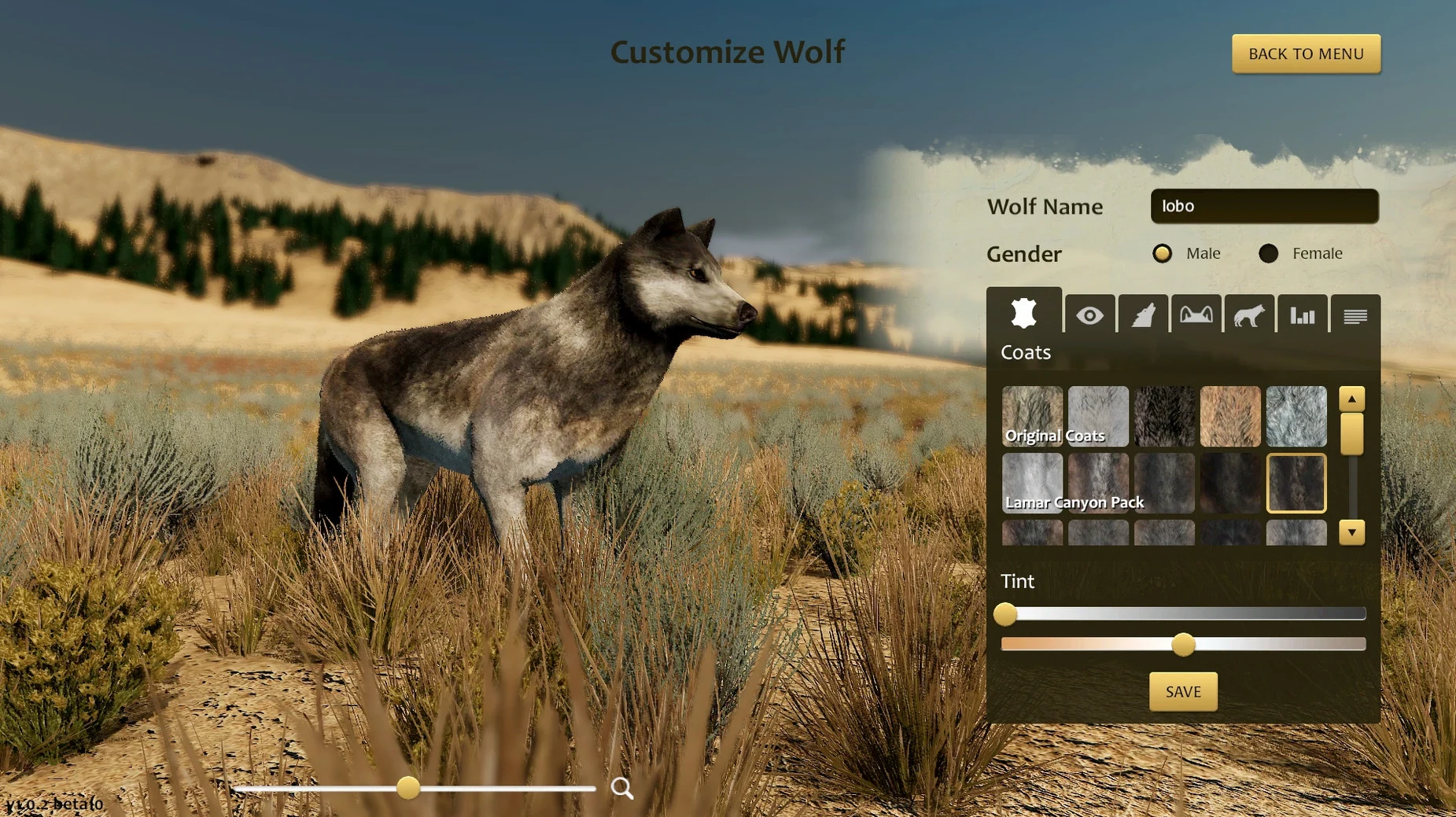
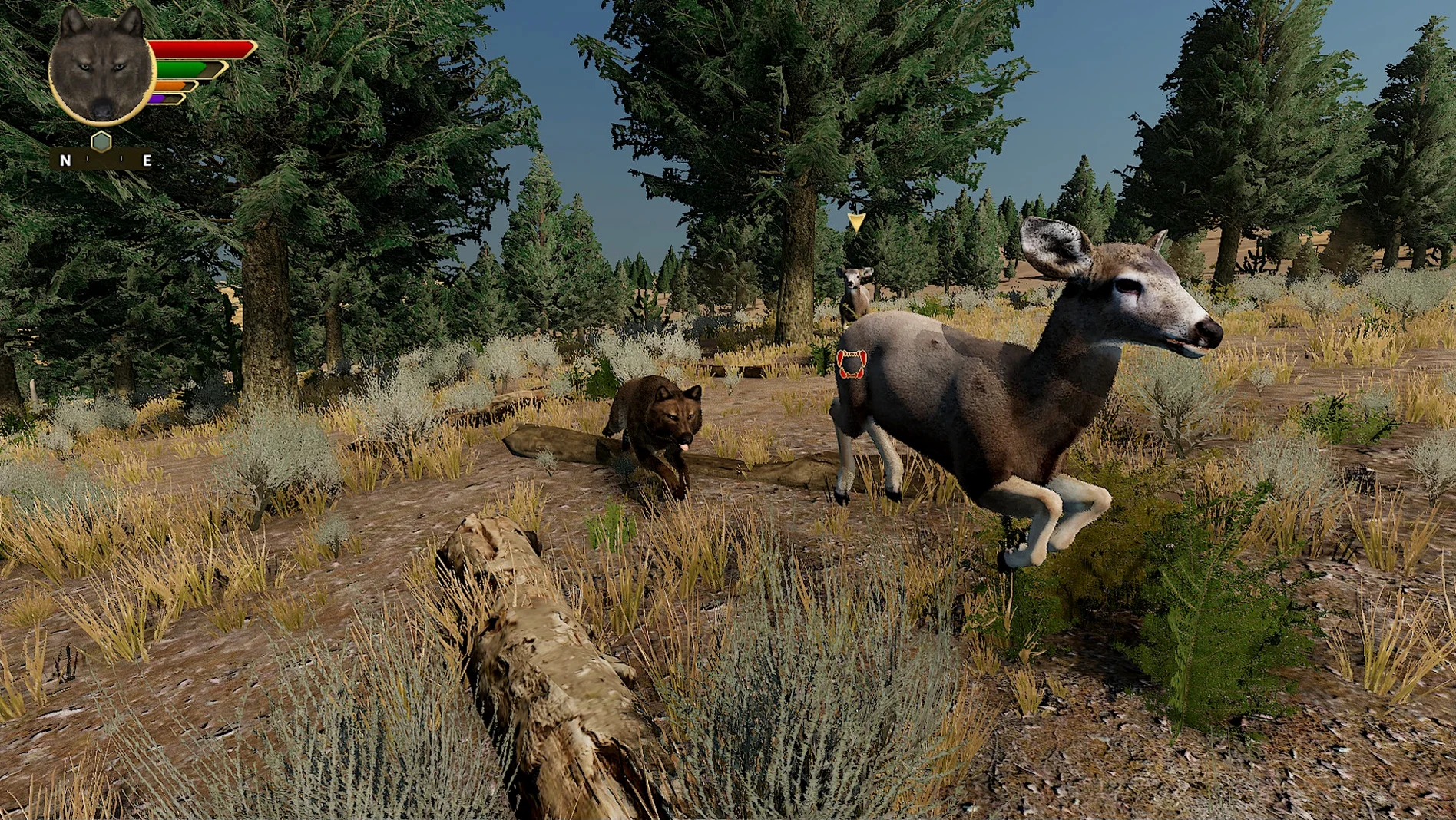
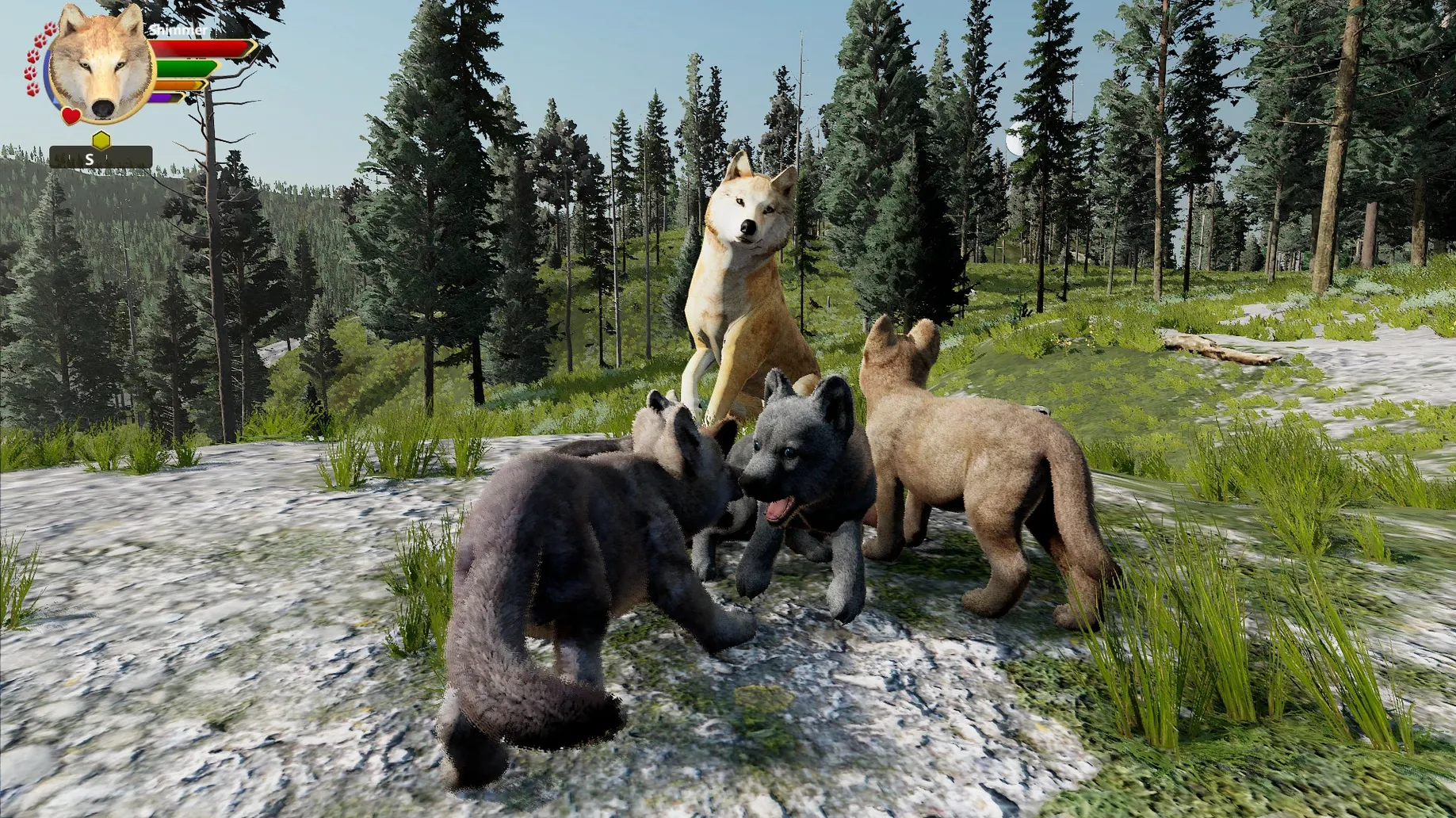
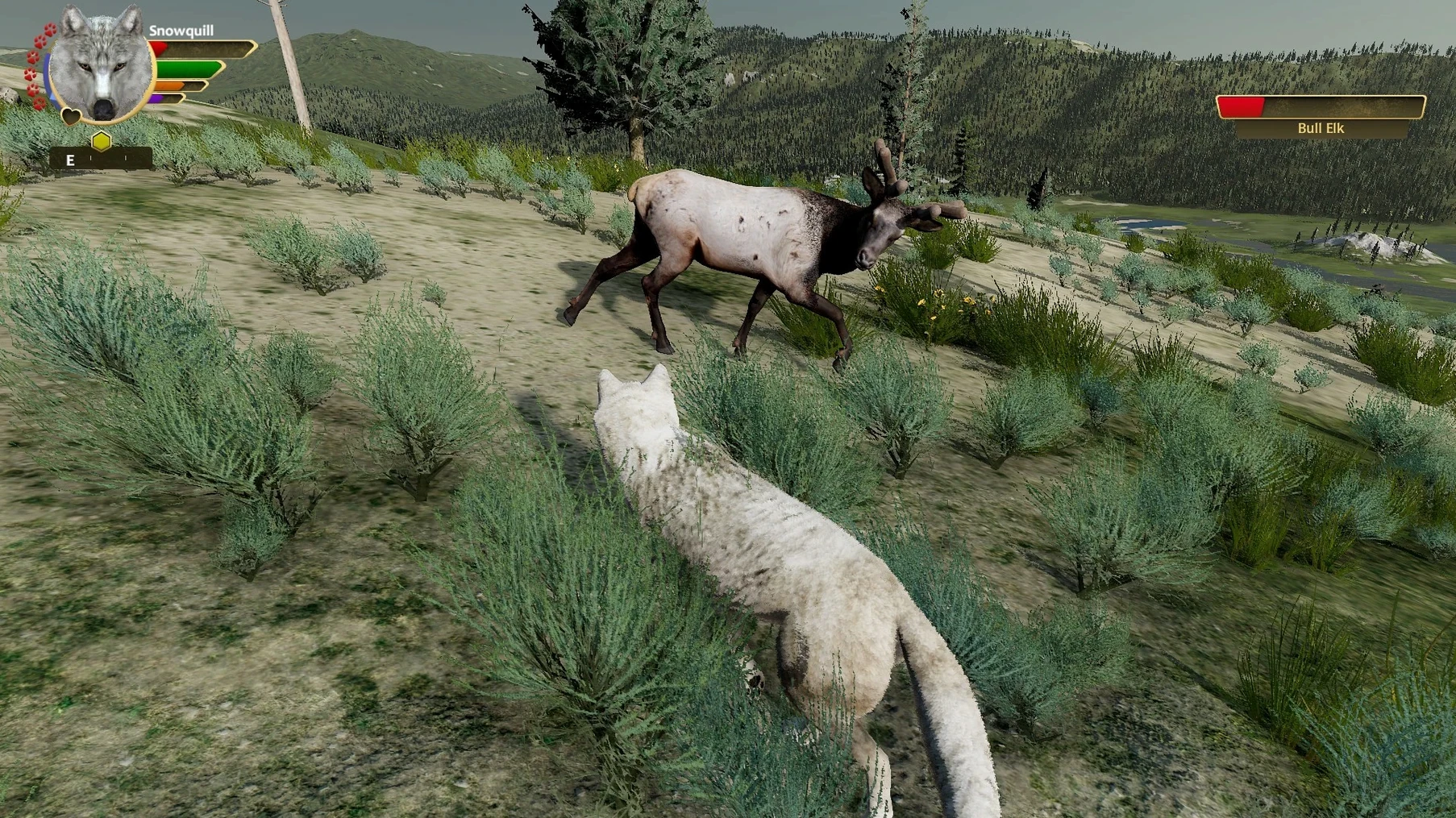
WolfQuest: Anniversary Edition suits players who enjoy observing animal behaviour more than chasing a score. The game places you in Yellowstone as a wolf, moving between hunting, scent tracking and pack life. It asks for patience: a long search for elk, a careful approach, a retreat when the herd turns.
Players who like simulations with ecological detail will find a lot to appreciate. Snow depth, prey condition, territory and the presence of other packs all shape each outing. The Mac version supports Apple Silicon and Intel 64-bit machines, though the official minimum of 25 GB storage and Radeon R7 graphics suggests it is not aimed at older hardware.
Those who prefer fast action or clear mission goals may find the pace too slow. There is no hand-holding; much of the pleasure comes from reading the landscape and the movements of animals. Version 3.3.3 is still in Early Access for PC and Mac, so some roughness remains.
Practical tips: the first days with Yellowstone
New wolves die quickly. That is not a warning about predators — it is a warning about hunger. The elk herds look plentiful from a ridge, but a solo wolf who sprints at the first cow will waste stamina and return to the den with nothing. Spend the first hour walking, not running. Watch how elk drift apart when one animal limps. Note where the wind blows your scent toward the herd and where it hides you.
Three habits that help early on:
- Learn the scent trails before hunting. Hold the scent key often and follow tracks that lead away from the herd. A lone elk, or one with a visible injury, is worth three healthy cows in a tight group.
- Bite and retreat. The first lunge rarely kills. Bite once, then back off and let the prey bleed while you follow at a trot. Repeat. This is slower than a Hollywood chase, but it works.
- Mark your territory early. Howling at the edges of your range keeps rival packs from encroaching while you are still learning to feed yourself. A fight with strangers in week one usually ends badly.
Comparison: three Mac simulations
WolfQuest sits at an odd junction between wildlife documentary and survival sim. Other Mac-native titles approach animal life quite differently.
Meadow — developed by Might and Delight — strips away all threat. You play as a badger, rabbit or deer in a shared online landscape with no hunger bar, no combat and no goal beyond exploration. The pleasure is purely sensory: colour, movement and wordless interaction. It is gentler than WolfQuest in every respect, but it offers none of the ecological cause-and-effect that makes Yellowstone feel alive.
Shelter 2 casts you as a mother lynx protecting cubs across a stylised tundra. Hunting is swift and symbolic rather than physical; the world reads more like a moving painting than a simulation. Where WolfQuest asks you to read wind direction and elk body language, Shelter 2 asks you to follow an emotional arc. Both can be affecting, but only one makes you feel like a field biologist.
Red Dead Redemption 2 (via CrossOver or native Windows on Intel Macs) offers hunting that rivals WolfQuest in detail — animal behaviour, pelt quality, even the right bow for a clean kill — but it wraps all of that inside a huge narrative. WolfQuest is the opposite: no story, no human characters, just the animal. Players who want the hunting without the outlaws sometimes find themselves here, where a wolfquest anniversary edition for mac free download leads to a purer, quieter experience.
One December hunt: setting out alone at dawn
The session begins at dawn, just outside the den. The pups are asleep. I set out alone because the mate is still recovering from a wound picked up near the Lamar Valley.
I cross the creek heading west and climb a low ridge. From there I glass the meadow below with the scent view: a thin blue trail tells me elk passed here not long ago. I follow it north for perhaps eight minutes of real time, stopping every hundred metres to test the wind. The herd appears suddenly — twelve or fifteen cows, one calf, a bull at the edge. Too many eyes.
I circle wide, crouching in tall sage until I find a cow lagging behind the group. Her gait is uneven; she favours the left foreleg. The wind is crosswise, not ideal. I wait. After a long stillness she lowers her head to graze and I move — three strides of a sprint, then the bite connects. She bolts, but she is already bleeding. I do not chase. I walk. The trail of red on snow leads me to her body four minutes later.
Back at the den, the pups emerge at the smell of meat. They eat while I lie down and watch the tree line. Sessions like this can last three hours and contain only two kills. That is exactly what the game does best: it makes a single successful hunt feel like an achievement earned through patience, not given by a quest marker.
In short: it rewards quiet attention, not quick reflexes. Naturalists and simulation fans will feel at home; arcade-minded players probably will not.







Correspondence 0
Take a chair or join the table to send a letter.
No correspondence on this note yet. Letters are read before they appear.