 LeCoqRoti
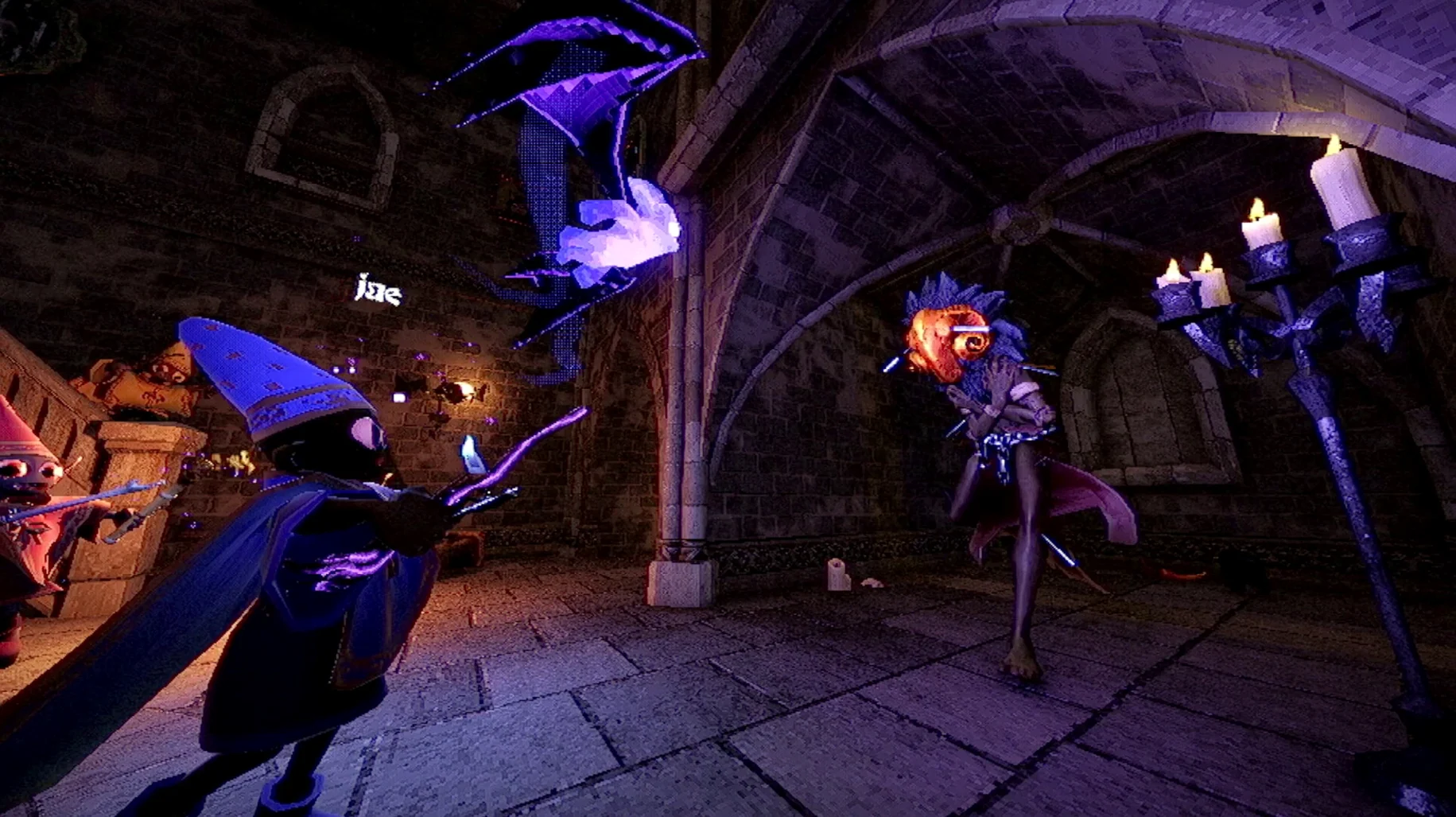
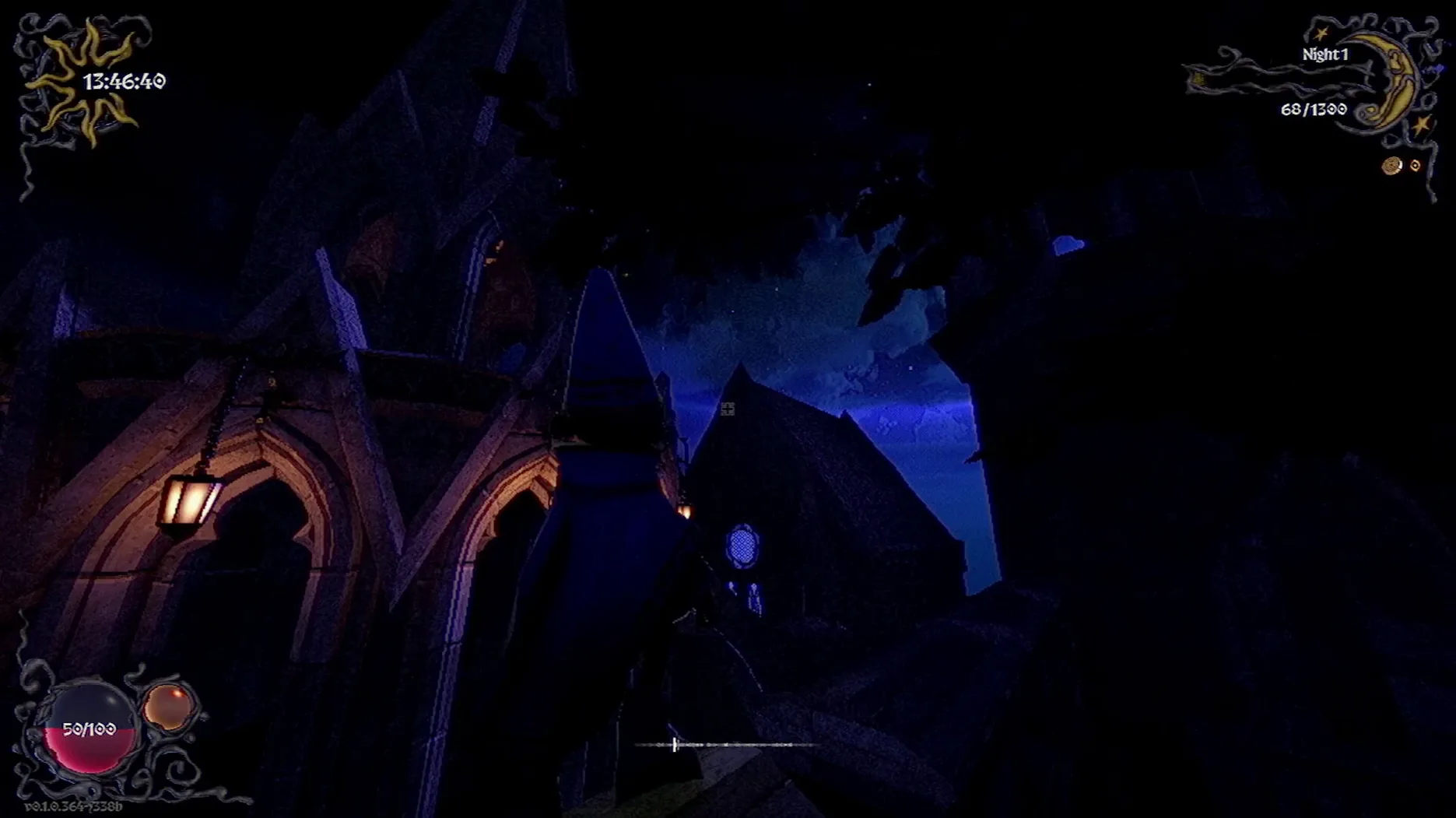
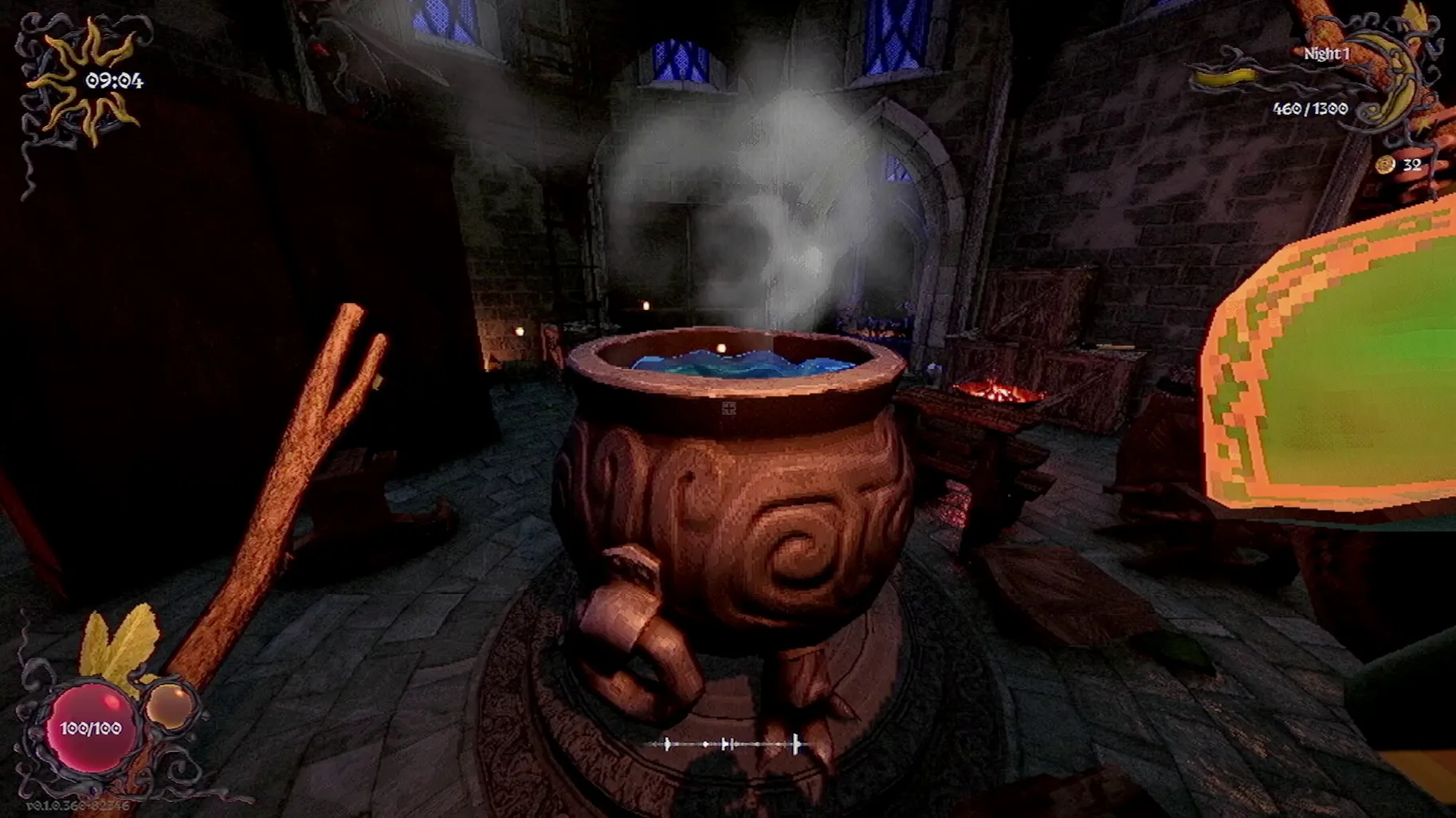
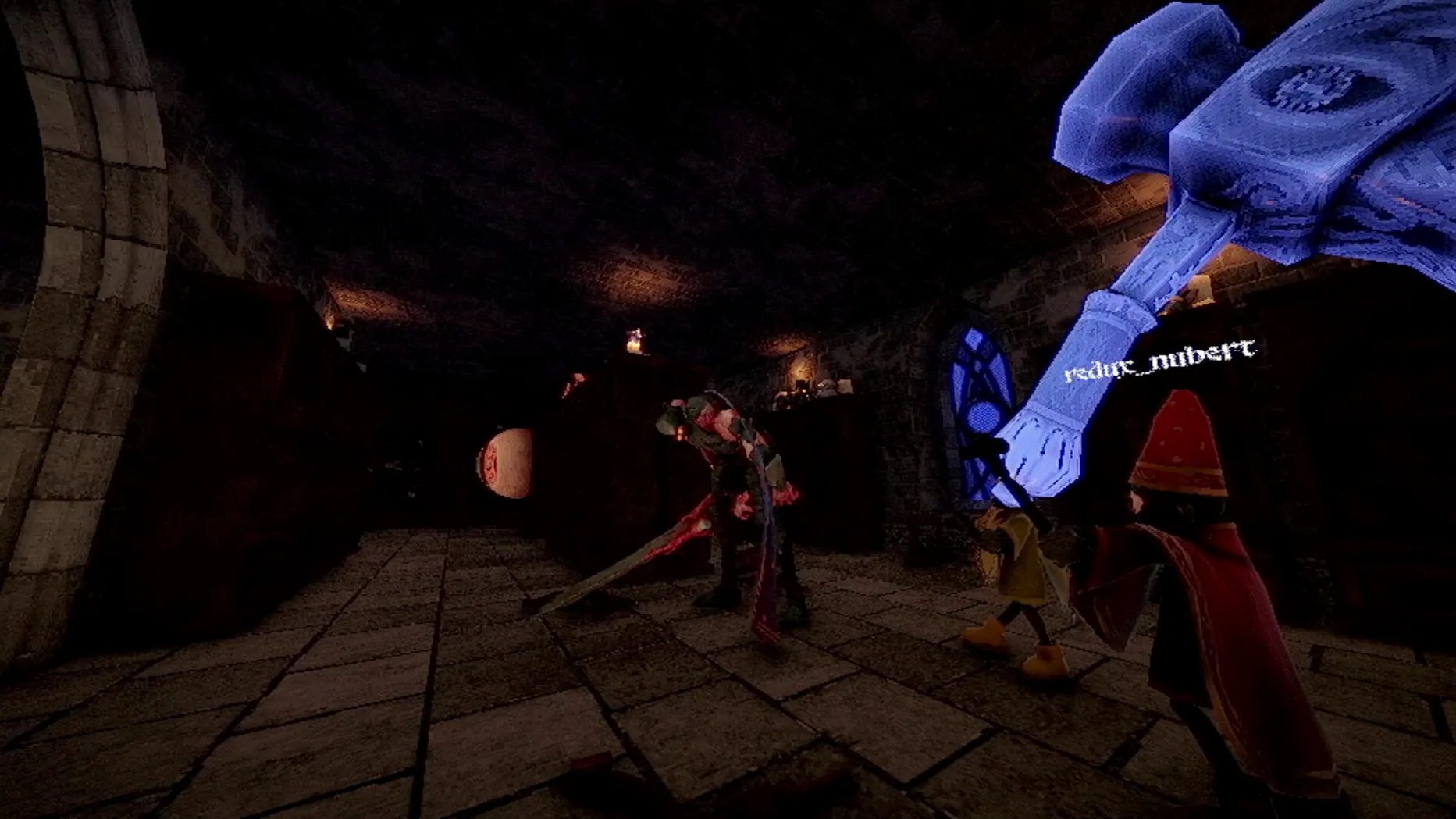
Shouting instructions at a screen is rarely productive. YAPYAP turns that impulse into a survival mechanism. You and your fellow minions are summoned by a wizard to infiltrate towers, disrupt magical experiments, and deal with the creatures guarding the research. The only way to cast spells is to speak them aloud.
Who thrives in this tower
This is a game for groups that communicate badly under pressure and love it. The spell system rewards clear, quick English voice commands, but the horror setting ensures clarity is the first thing to go. If your group laughs when a plan collapses into screaming, you are the target audience.
Where the friction lies
Solo players will find the voice-casting mechanic hollow: the chaos relies entirely on other people. Players who prefer silent, methodical horror should also look elsewhere. The tools for hiding, distracting, and fleeing are effective, but they exist to serve a loud, social experience, not a quiet one.
What the voice casting changes
It removes a layer of abstraction. Instead of pressing a key to conjure a distraction, you have to form the word while something stalks the corridor. The build supports both Apple Silicon and Intel Macs, and on our Mac mini M4 it held steady during the worst of the panic.
Eastern wing warning: a three-tower session in sequence
The wizard briefs the group in the carriage. Three towers tonight, a combined vandalism target of four thousand points, and a warning about the eastern wing — something new guards the research there. The four of us load in, and the first minute is pure reconnaissance. Two minions move left through the kitchen quarters, flipping tables and smashing urns with low-cost push spells. The other pair takes the library corridor. Voice chatter stays sparse: “push left shelf,” “break desk,” quiet callouts as we build the score without waking anything large.
Then someone knocks over a suit of armour. The clatter brings a lumbering beast down the stairs, and suddenly the calm evaporates. I hear my friend try to cast levitate on a bookcase to block the hallway, but her voice cracks and the spell misfires — the bookcase wobbles and tips sideways, useless. The beast rounds the corner. Another player shouts “confuse” three times before the game parses it, and the creature pauses, sniffing the air, giving us six seconds to bolt for the pantry.
This is the session’s rhythm: quiet accumulation, then a spike of panic. We split up again after the pantry, one minion using disguise to slip past a patrolling warden while two others create a diversion in the greenhouse. By the third tower, we have learned to stagger our spells — one person casts teleport to reposition while another readies fish to neutralise whatever appears at the destination. We hit the vandalism threshold with forty seconds to spare. Three of us are shouting; one has lost her voice entirely.
Clone or launch trap: why flashy spells need restraint
New players tend to treat voice casting like a novelty and overuse the flashiest spells early. Casting clone or launch on cooldown in the first tower leaves the group with nothing reliable when the truly dangerous creatures appear in the second and third. The spell list rewards restraint: push, pull, and break are unglamorous but fast, and they rarely fail to parse even when spoken under stress.
Another common error is clumping together. Four minions in one room means four overlapping voice triggers, and the game struggles to distinguish commands when everyone shouts at once. Spread out, use confuse and disguise to redirect threats rather than confronting them directly, and let one person call the distraction while the others work. Beginners also forget they can flee. The game provides hiding spots for a reason, and running from a fight costs far less than a failed spell chain that leaves two minions downed and the score stagnant.
Mic permissions prompt: coexistence with Discord and macOS
YAPYAP uses the system microphone and respects the privacy permissions set in System Settings — if you have disabled mic access for applications, the game will prompt you once and then sit silent. It coexists well with Discord or voice chat apps running in the background; the game’s voice recognition isolates English spell commands and ignores side conversation, though background noise from open mics can still cause misfires. On our test machine the audio pipeline added no perceptible latency to spell parsing.
The game supports Mission Control and Spaces without issue; you can swipe to another desktop while a session loads and return without graphical corruption. It also plays nicely with macOS screen recording tools, which matters for groups who like to save their most chaotic tower runs. The build runs natively on both architectures, so there is no Rosetta penalty on Apple Silicon, and memory usage stayed below 2 GB throughout our sessions — leaving room for a browser, voice chat, and a notes app for tracking which towers your group has cleared.







Correspondence 0
Take a chair or join the table to send a letter.
No correspondence on this note yet. Letters are read before they appear.