 LeCoqRoti
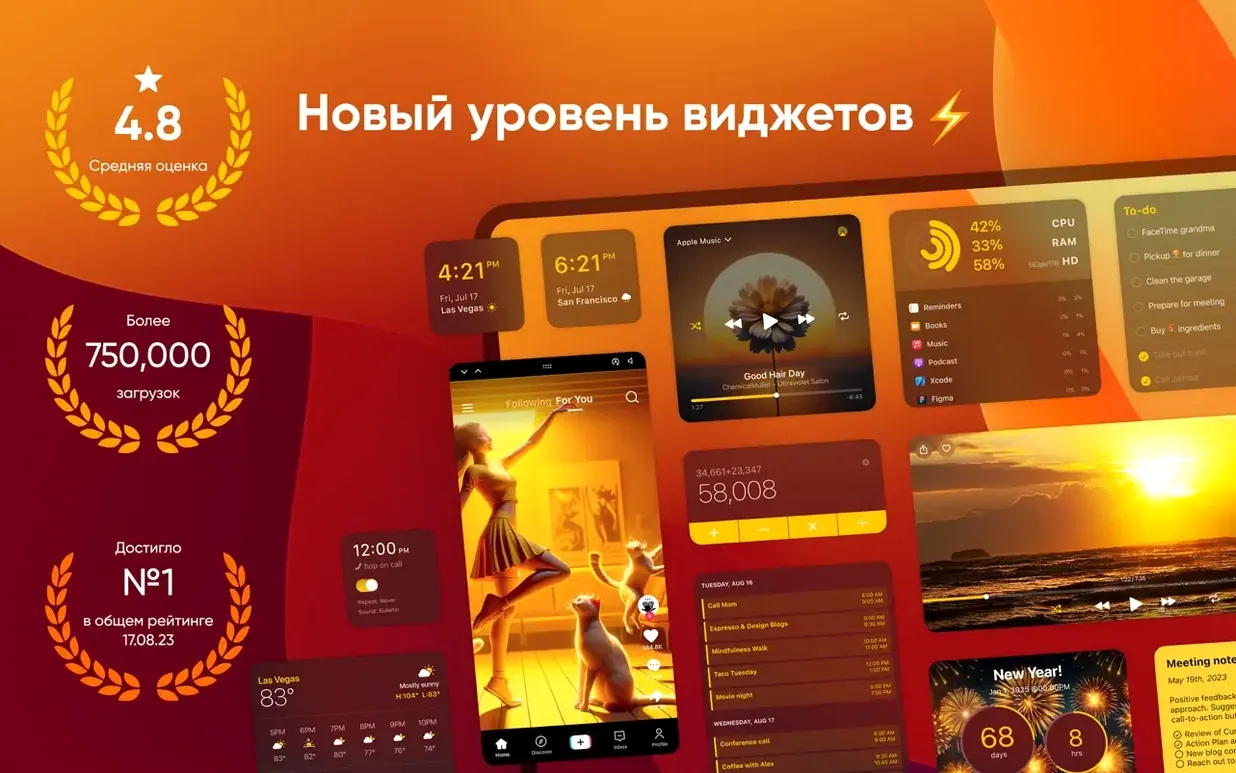
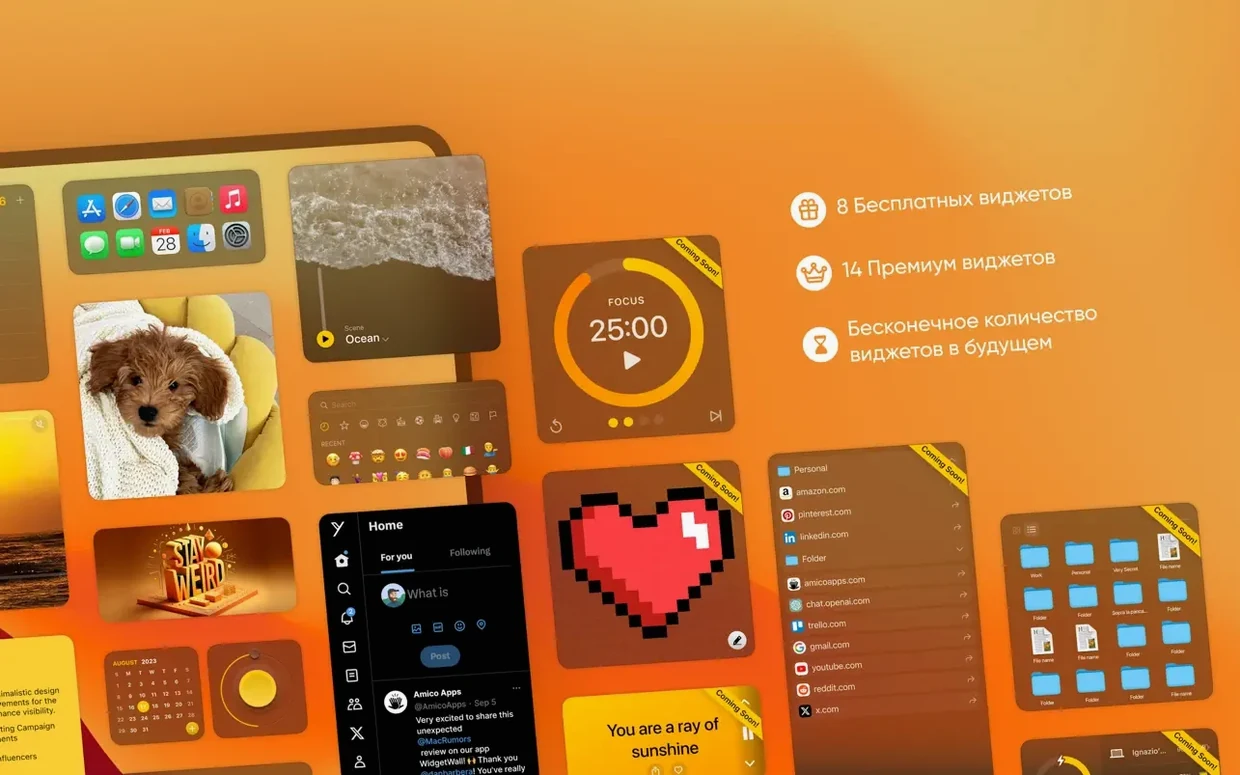
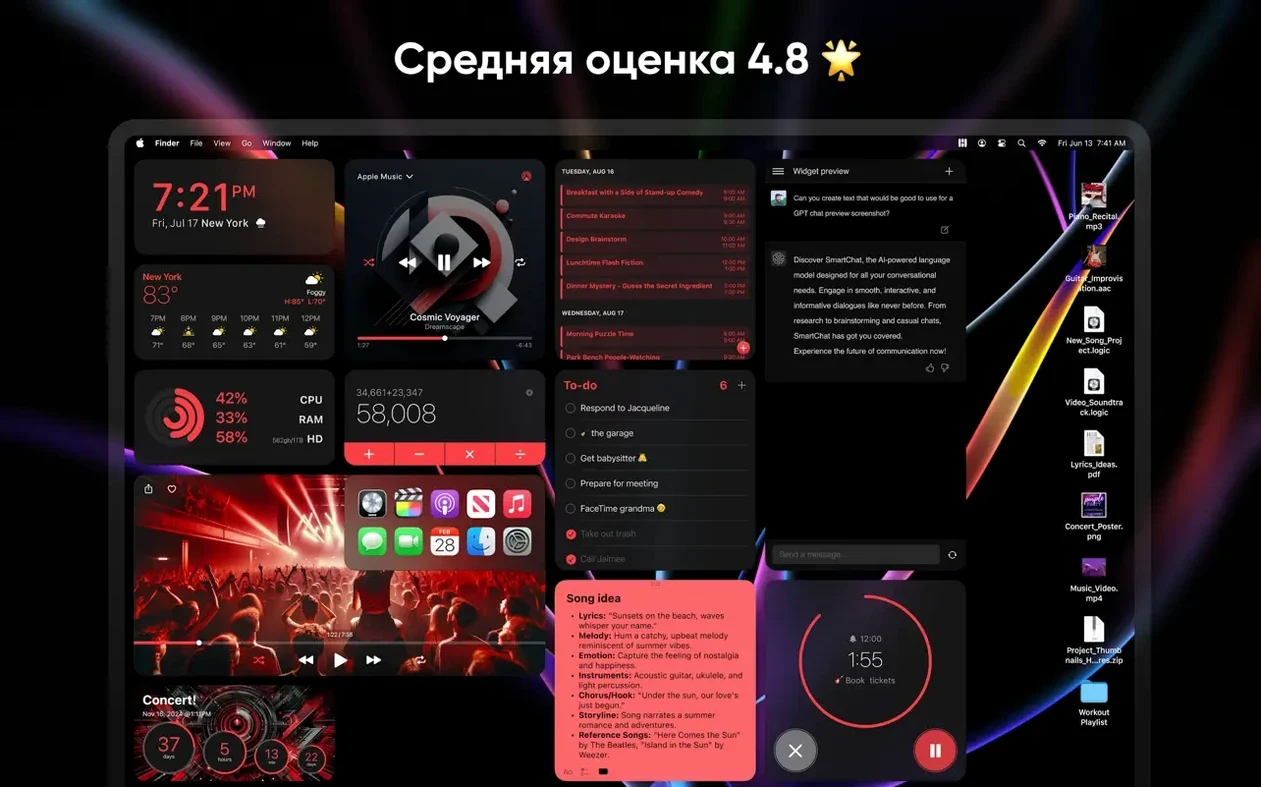
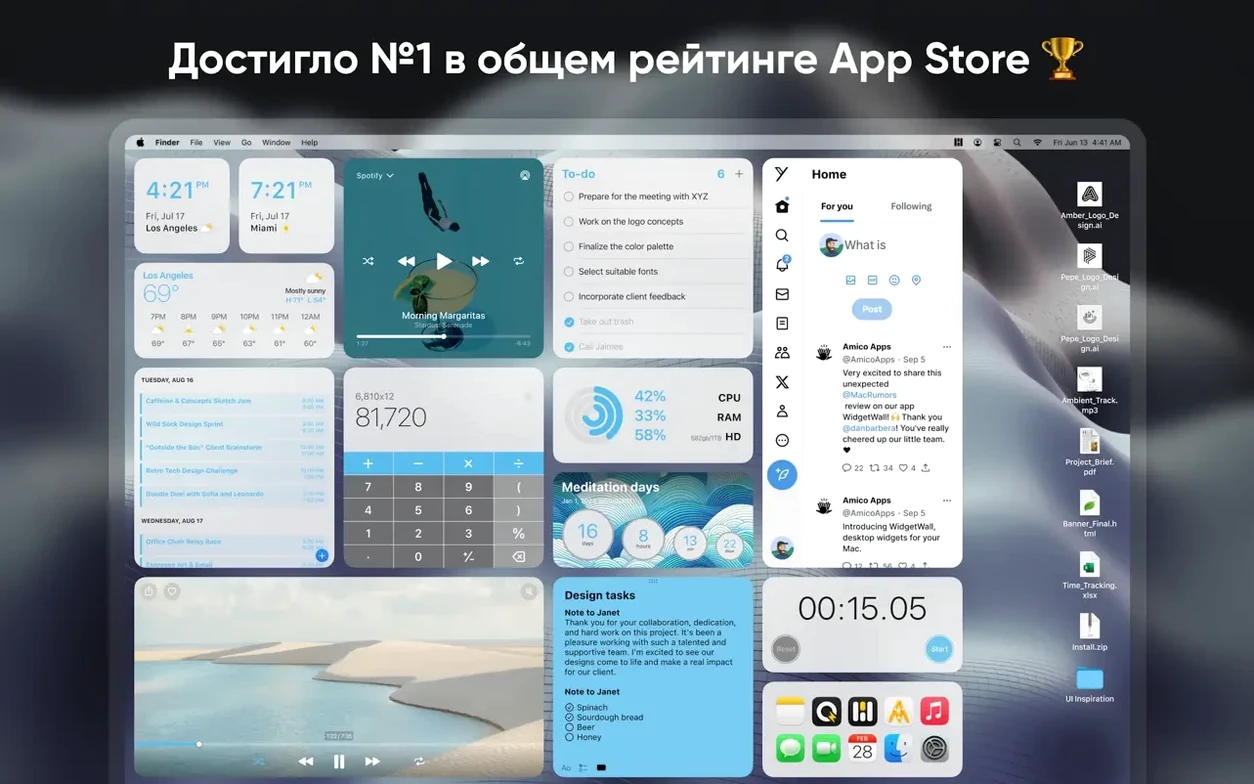
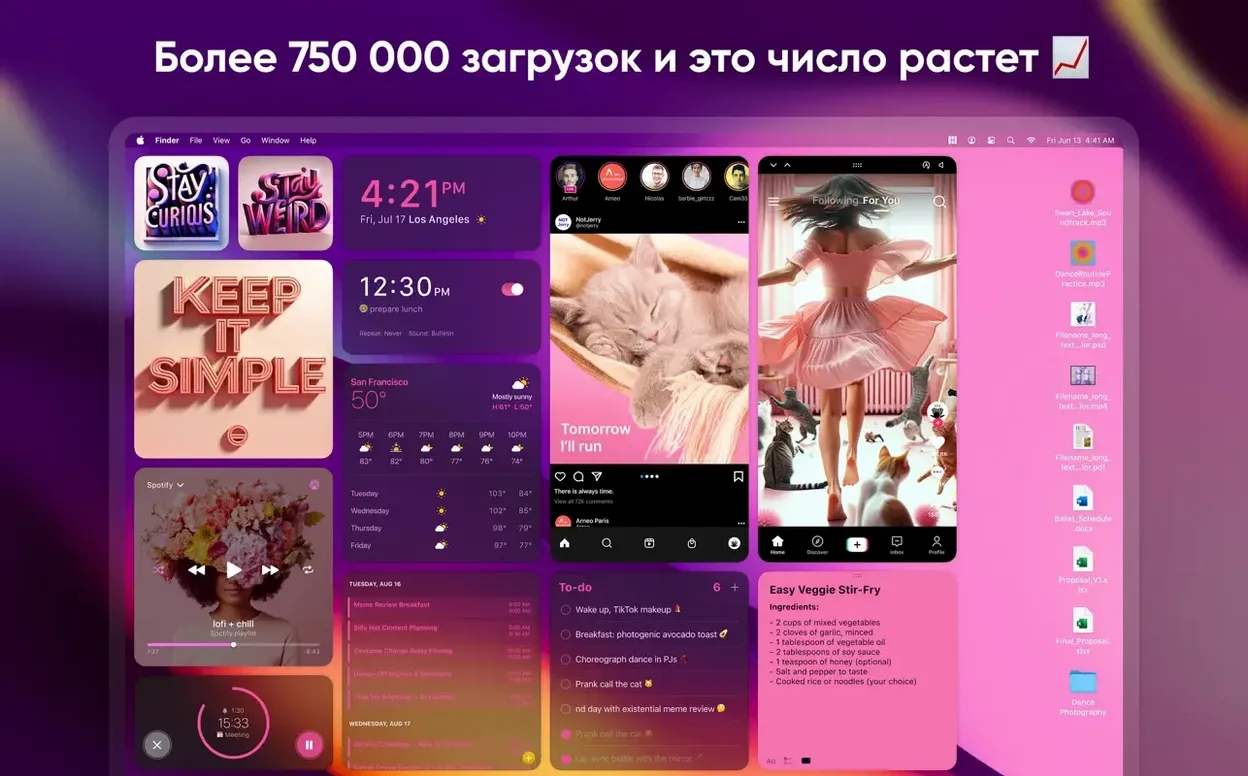
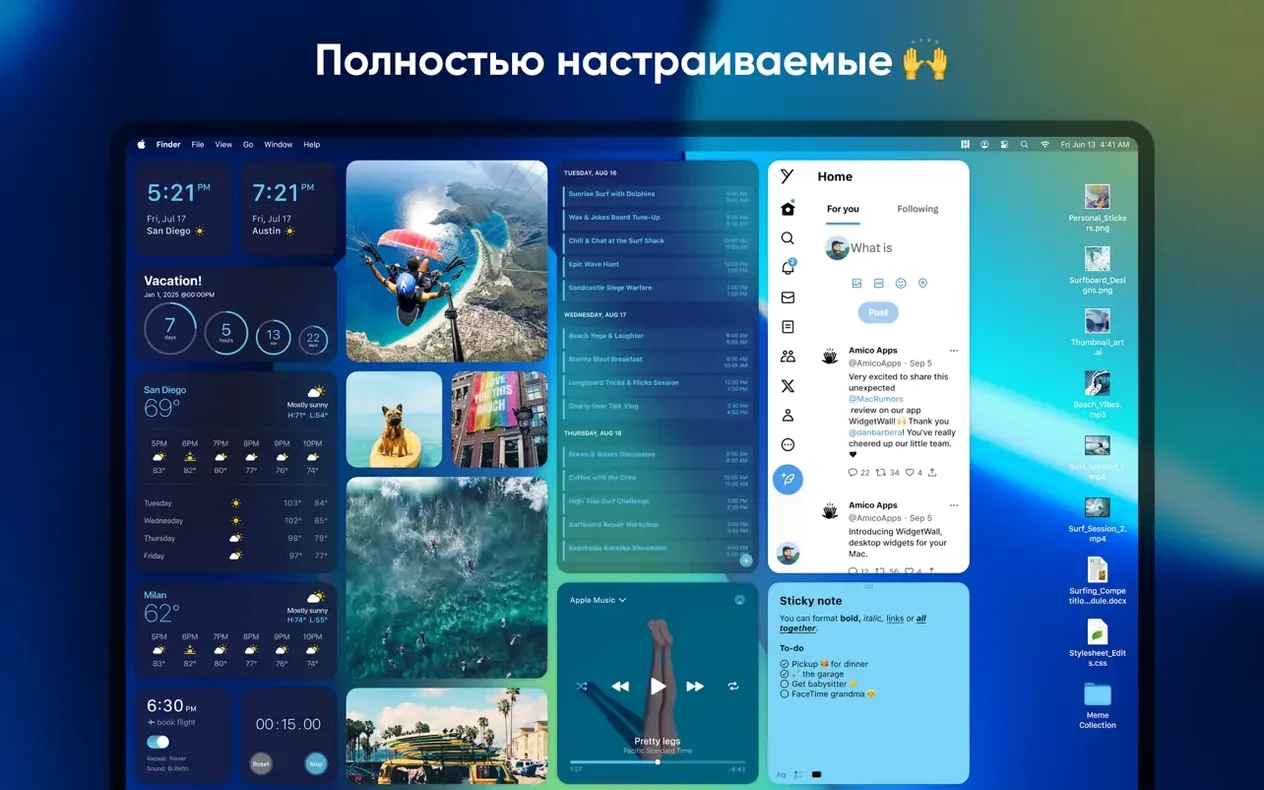
WidgetWall is a Mac utility that places interactive widgets and decorative stickers directly onto your desktop. It turns the empty space behind your windows into a surface for calendars, clocks, weather readouts, photos and quick notes, all of which stay visible when you switch between apps.
Glanceable info without opening Notification Centre
- Keeping a clock, date or weather widget always in sight without opening Notification Centre
- Decorating a workspace with stickers or personal photos pinned to the desktop
- Users who prefer visual, glanceable information over digging through menus
- Runs natively on both Apple Silicon and Intel Macs with macOS 12 or later
Widgets vanish behind full‑screen windows
- Widgets live on the desktop layer, so they disappear behind full-screen windows
- Interface languages: English, French, Spanish, Russian and Traditional Chinese
What changed: version 3.15 in daily use
WidgetWall 3.15.2 brings a handful of refinements that affect the feel of the app more than its feature list suggests. The most visible shift is a redesigned widget picker: it now floats as a compact panel rather than occupying a full window, which makes adding a widget feel less like leaving the desktop and more like summoning a palette. Dragging a widget out is smoother too, with less of the stutter that earlier builds occasionally showed on busier desktops.
The Pomodoro Timer and Countdown widgets received attention in this update. Both now respect system appearance changes without requiring a restart, and the Countdown widget lets you rename its label directly from the desktop — a small touch that removes the need to open preferences just to note what you are counting down to. The Weather widget improved its location refresh logic; on a Mac that moves between networks during the day, it now picks up the change within a minute or two rather than waiting until the next scheduled refresh.
Stability saw a quiet but meaningful improvement. Previous versions occasionally lost widget positions after a display wake from sleep, particularly on multi-monitor setups. The 3.15 series addresses that with a more persistent coordinate save, and in practice widgets now stay where they were placed overnight, even across display reconnections. Resource-conscious users will notice that idle widgets — a stopped Stopwatch, an Alarm with no active countdown — now draw almost no CPU, where earlier they kept a lightweight but constant tick running.
Comparisons: WidgetWall beside its Mac neighbours
WidgetWall occupies a niche that sits between macOS’s built-in Notification Centre widgets and heavier desktop customisation frameworks like GeekTool or Übersicht. Each approach solves a different problem, and the differences become clear in daily use.
WidgetWall and Notification Centre widgets
Apple’s native widgets live behind a swipe or a click on the menu bar clock. They are clean, deeply integrated and sip resources — but they are hidden by design. You have to remember to look at them. WidgetWall keeps the same kind of information on the desktop surface, where a glance does not require a gesture. The trade-off is that WidgetWall’s widgets are not interactive in the way a native Calendar widget is: you cannot click a date to open the event. What you gain is persistence.
WidgetWall and GeekTool / Übersicht
GeekTool and Übersicht are script-driven desktop overlay engines. They can display anything a shell script or a web view can produce, which makes them enormously flexible for system monitors, custom clocks and live data feeds. They also demand comfort with editing scripts, positioning frames by pixel coordinates and debugging when a geeklet stops refreshing. WidgetWall inverts that philosophy: it offers a curated set of widgets that require no configuration beyond picking a size and sometimes a colour or a label. You trade limitless customisation for a setup that takes seconds and rarely breaks. For someone who wants a photo frame, a Pomodoro timer and a weather tile without opening a text editor, WidgetWall is the more direct path.
Right‑click a widget: size and removal controls
Several shortcuts sit just below the surface and are easy to overlook after the first day of use.
- Right-clicking any widget reveals a contextual menu that duplicates the size and removal controls from the widget picker, saving a trip back to the panel.
- Holding
Optionwhile dragging a widget snaps it to a subtle alignment grid shared with other widgets on the same desktop — useful for lining up a row of clocks or a column of shortcuts. - The App Shortcuts widget accepts folders and files dropped from Finder, not just applications, which turns it into a quick-launch panel for project folders or frequently opened documents.
- Double-clicking the Clock widget cycles through its visual styles without opening any menu; the change persists across restarts.
- The White Noise widget keeps playing when other apps are in focus, but pauses automatically if the Mac switches audio output — a thoughtful touch when unplugging headphones in a shared space.
Speed, stability and footprint
WidgetWall loads its widget layer early in the login process, and on an Apple Silicon Mac the delay between seeing the desktop and seeing the widgets is barely perceptible — typically under two seconds. On an older Intel machine the same process takes a moment longer, but once the widgets are painted they remain responsive to mouseover highlights and clicks without lag.
Memory use sits around 120 to 180 MB with a typical set of six or seven active widgets, which places it in the same ballpark as a browser tab with a modest page loaded. CPU draw is negligible when no animated widgets are running: the Weather and Clock widgets update on timers rather than continuous loops. A widget like Confetti or Video will push the numbers higher, as expected, but pausing or removing the animated element brings the app back to near-idle levels immediately.
Across a week of mixed use — writing, switching spaces, connecting and disconnecting an external display — WidgetWall 3.15.2 did not trigger a single crash or require a manual refresh. The widget wall download experience reflects an app that has moved past its early growing pains and settled into a stable, low-friction presence on the desktop. For those who want a widgetwall download mac option that favours immediacy over scripting, it fits the role without drawing attention to itself.







Correspondence 0
Take a chair or join the table to send a letter.
No correspondence on this note yet. Letters are read before they appear.