 LeCoqRoti
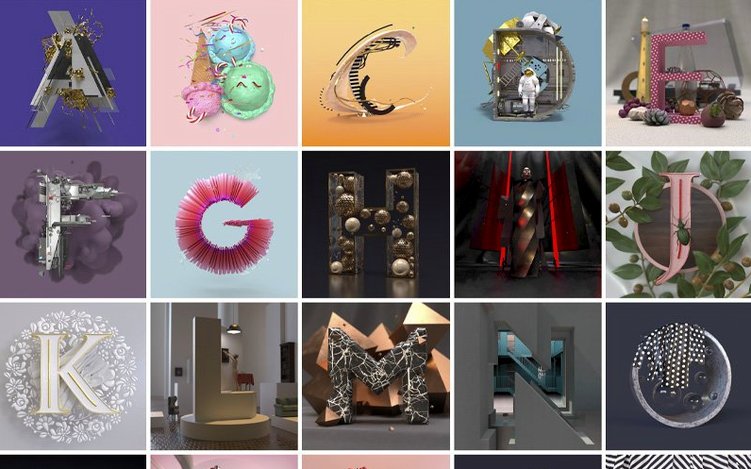
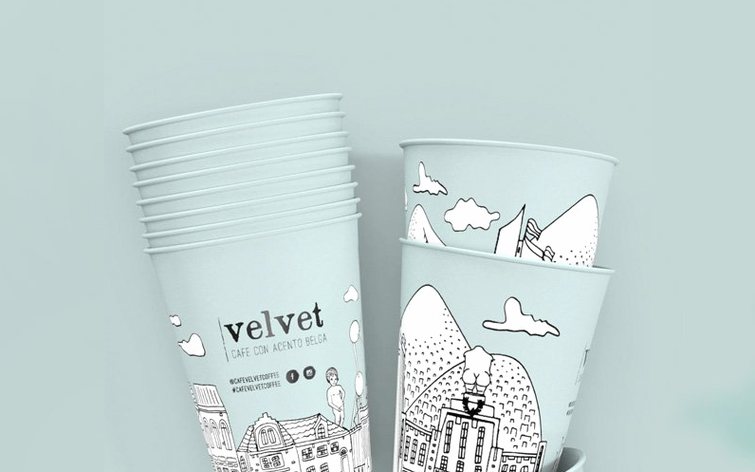
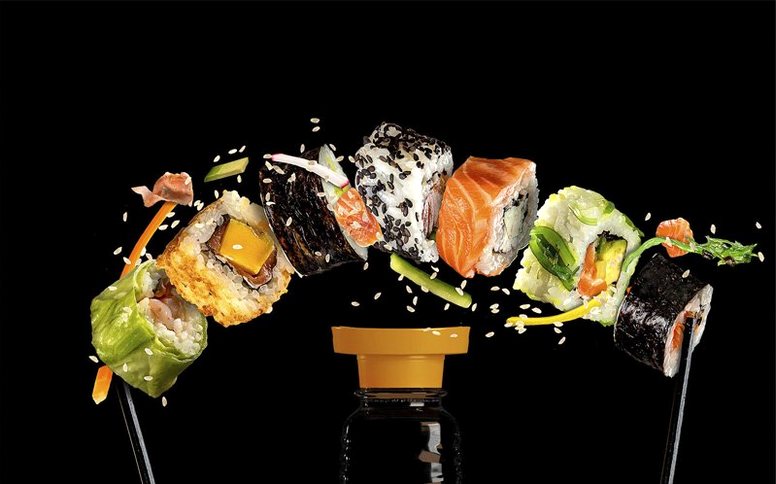
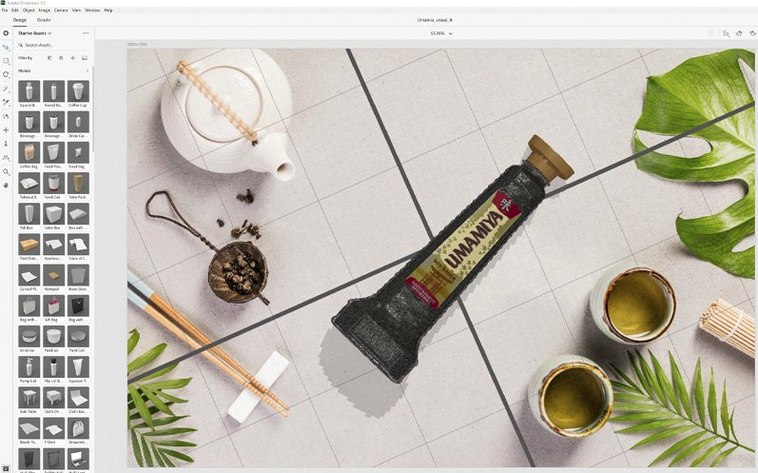
The 4.1.7 update is a quiet one: it resolves security vulnerabilities, nothing more. No new tools, no interface shifts. For an app that handles commercial visualisation work, a maintenance release that tightens things behind the scenes is welcome enough.
Dimension is built for a specific kind of maker — a designer who needs a product mockup or a packaging visual without stepping into a full 3D pipeline. The interface keeps things direct: place a model, choose a material, set a background. Lighting and shadows adjust to match the scene, so the render looks grounded with less manual tweaking.
Adobe Stock is woven into the workflow. You can search for 3D models for Adobe Dimension directly from the app, pulling in assets already optimised for its renderer. Scenes can be exported as layered PSD files, which opens the door to further work in Photoshop without flattening everything first.
In short, it is a focused tool for a focused job — turning a flat design into something you can see in space, without the overhead of a full 3D suite.
Recent updates: just a security patch, no new features
Dimension has been in a holding pattern for some time. The 4.1.7 release is purely a security patch — no feature additions, no performance tweaks announced, no change to the render pipeline. For anyone using the app day to day, the experience is identical to 4.1.6. That is not a complaint. When you rely on a tool for client-facing visuals, a version that changes nothing except to close vulnerabilities is the kind of update you install and forget.
What this quiet period signals is maturity. The core workflow — place, materialise, light, render — has been stable across the 4.x cycle. Earlier versions added the layered PSD export and tightened the Adobe Stock integration; those changes are now baked into how people work. If you open a document saved in any recent 4.x release, it loads without conversion drama. Adobe has confirmed that Dimension remains a supported product with ongoing technical and security updates, so the current hibernation in features does not mean abandonment.
Flat-looking renders: the viewport is only an approximation
A few friction points come up repeatedly, and they are rarely about the software being broken. They are about mismatched expectations.
Materials looking flat after render. The viewport preview is a real-time approximation. The final render uses path tracing and will look different — usually better, sometimes darker. If a metallic surface looks dull, check that the environment light has something to reflect. An HDR background with a blank studio void gives metal nothing to bounce. Swapping in an outdoor or interior HDR from the starter assets or Adobe Stock often fixes this in one click.
Vector artwork distorting on curved surfaces. Placing a logo as a decal uses UV mapping. On a bottle or a pouch, the graphic can stretch in ways that look wrong. The fix is to switch the decal projection mode from the default to a cylindrical or planar mapping, then adjust the scale. It is a small panel, easily overlooked, and it solves most placement complaints.
Long render times on an Intel machine. Dimension runs on Intel architecture under macOS 11 or later, and path tracing is CPU-heavy. A complex scene with multiple translucent materials can take minutes per frame. The practical workaround is to use the region-render marquee when checking a detail — lighting on a label, say — rather than re-rendering the full frame each time.
Adobe Stock models not appearing in search. The in-app browser filters for Dimension-optimised assets by default. If a search returns nothing, toggling that filter off widens the pool. Not every model on Stock has been tuned for Dimension's renderer, but most can still be placed and will auto-convert materials on import.
Mistakes beginners make: a short list
New users coming from Illustrator or Photoshop tend to carry over habits that work against them in a 3D viewport. Three stand out.
- Over-lighting the scene. Adding multiple directional lights because the model looks dark in the viewport. The result is a flat, over-lit render with no shadow depth. A single environment light plus one accent light is often enough. Less is more.
- Ignoring the ground plane. A floating model looks like a mistake, not a stylistic choice. The ground plane catches shadows and anchors the object. It can be toggled invisible for the final render if you want a transparent background, but during setup it should be on.
- Exporting without checking the PSD layers. The layered PSD export is powerful — it separates objects, shadows and reflections onto distinct layers. But if you do not name your models in the scene panel, you get a stack of layers called "model_1", "model_2" and so on. A minute spent renaming things before export saves ten minutes of squinting in Photoshop later.
A packaging designer's morning: one real-world scenario
Consider a packaging designer preparing a client presentation for a premium tea brand. She has flat artwork from Illustrator — a label design with foil accents and a botanical illustration — and she needs to show it on three formats: a cylindrical tin, a stand-up pouch, and a box.
She opens Dimension and searches Adobe Stock for a generic tea tin. The model loads with default grey plastic; she drags the foil material from the starter assets onto the lid and adjusts the roughness slider until it reads as brushed metal. The label artwork comes in as a decal, wrapped with cylindrical projection. A quick region render confirms the text is legible and the foil catches the light from the environment.
The pouch is trickier. The model from Stock has a slight crease down the middle, so the botanical illustration needs careful placement to avoid the fold line. She switches to a camera angle that matches the client's e-commerce template — slightly above, product facing left — and saves it as a camera bookmark. The box is straightforward: the decal maps cleanly to the front face, and she reuses the same studio HDR background across all three formats for visual consistency.
She exports each scene as a layered PSD. The Photoshop file for the tin arrives with separate layers for the body, the lid, the label decal, and the cast shadow. She drops in the client's background colour on a new layer, saves a JPEG for the presentation deck, and sends the PSD to the retouching team in case they need to adjust reflections later. The whole sequence — three mockups, one morning — never left the Adobe ecosystem.







Correspondence 0
Take a chair or join the table to send a letter.
No correspondence on this note yet. Letters are read before they appear.