 LeCoqRoti
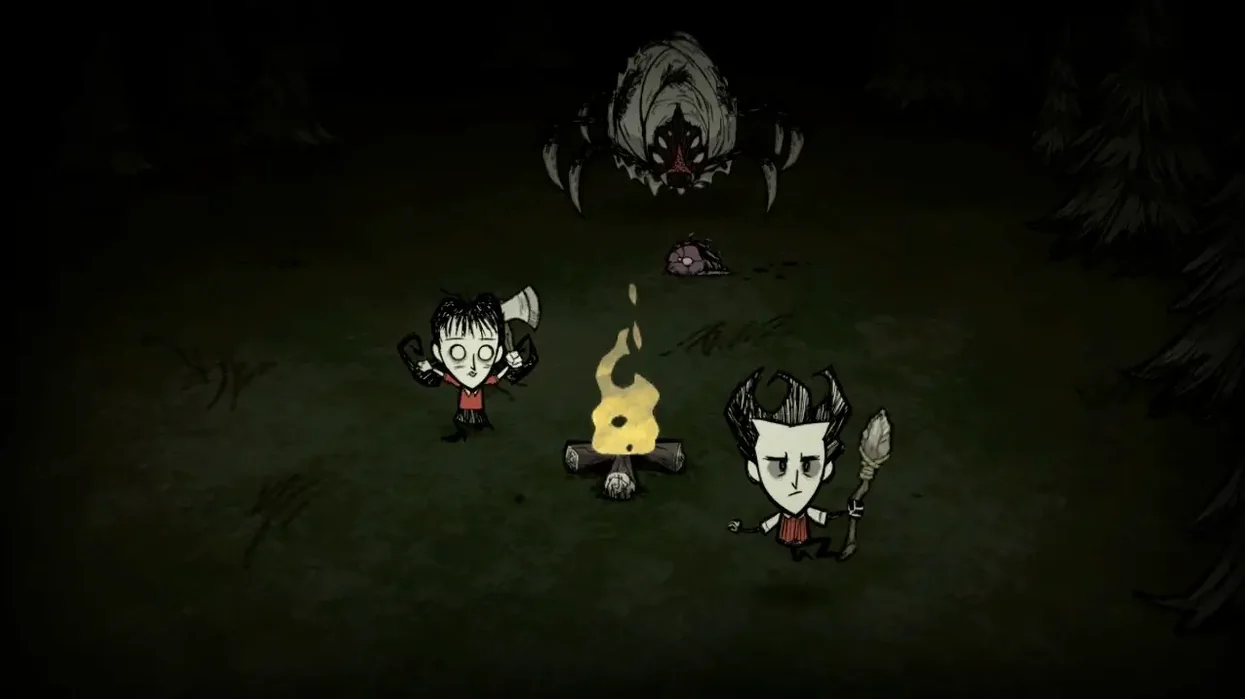
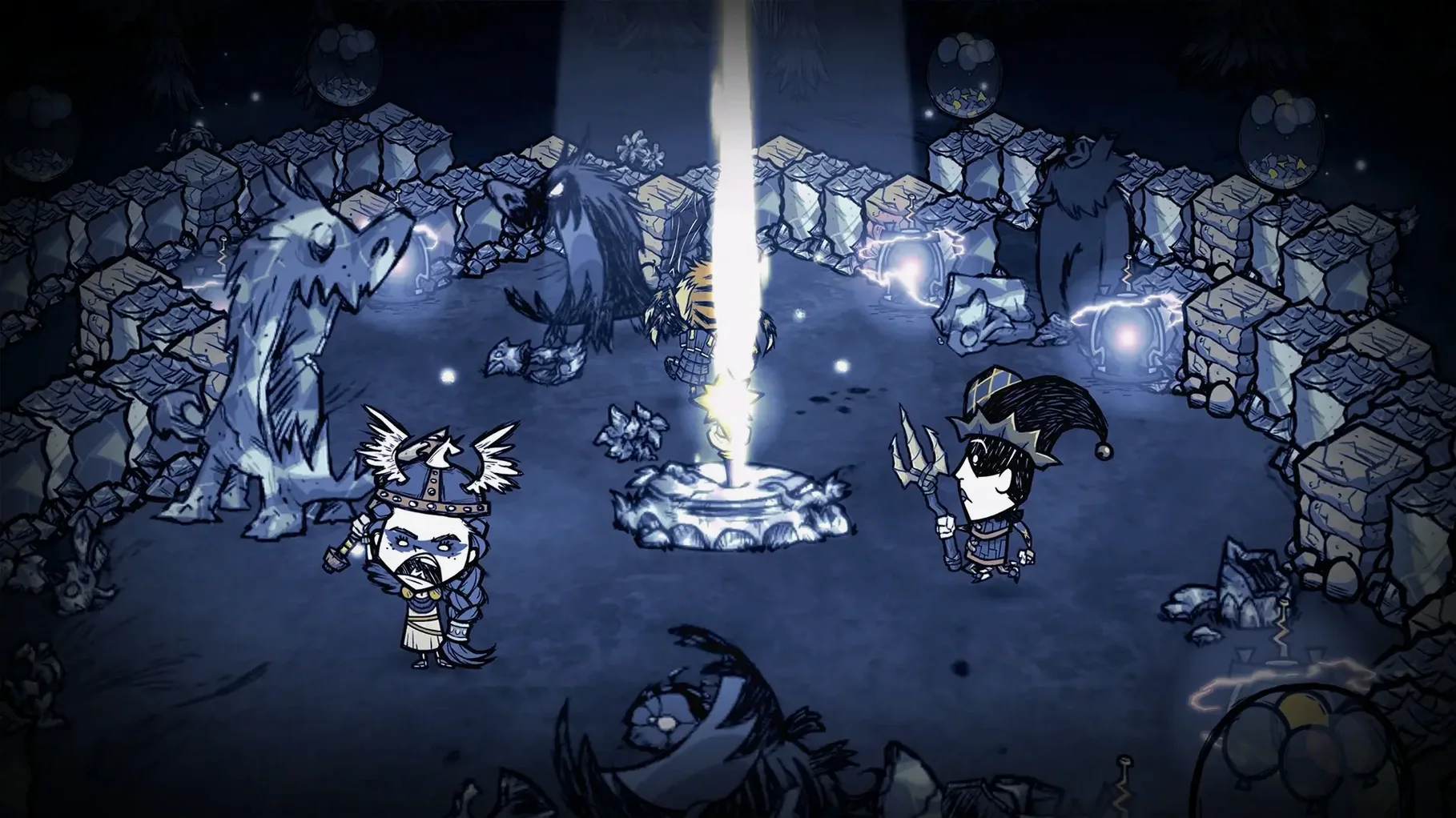
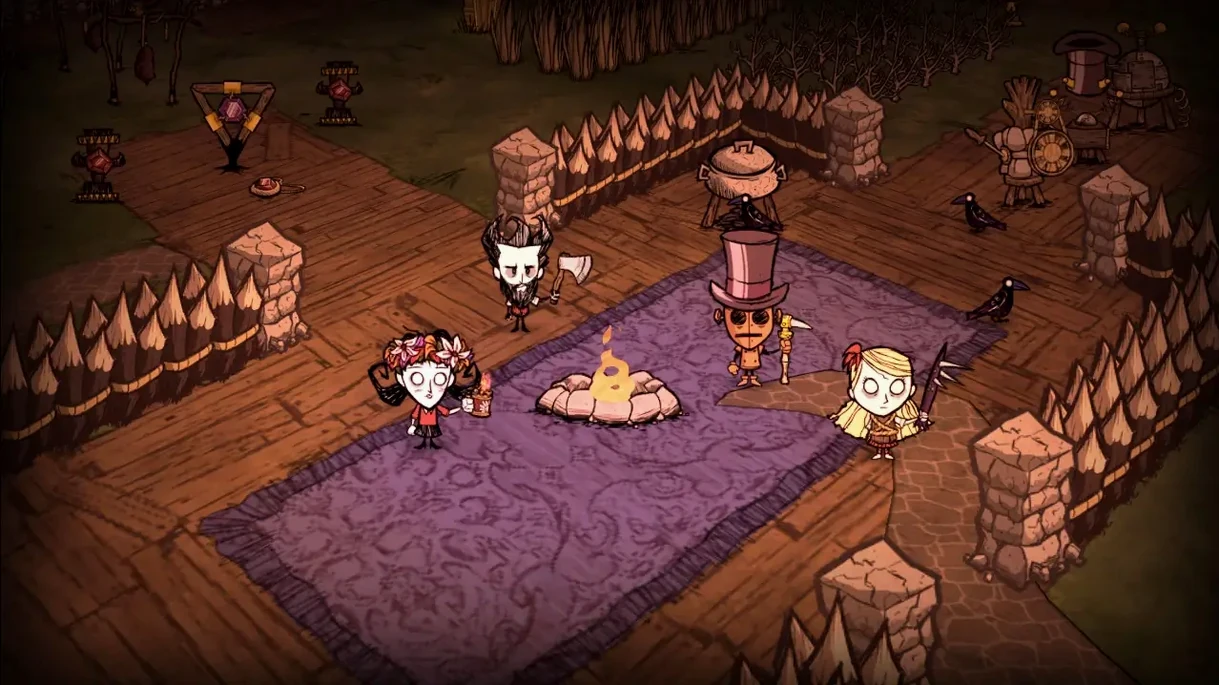
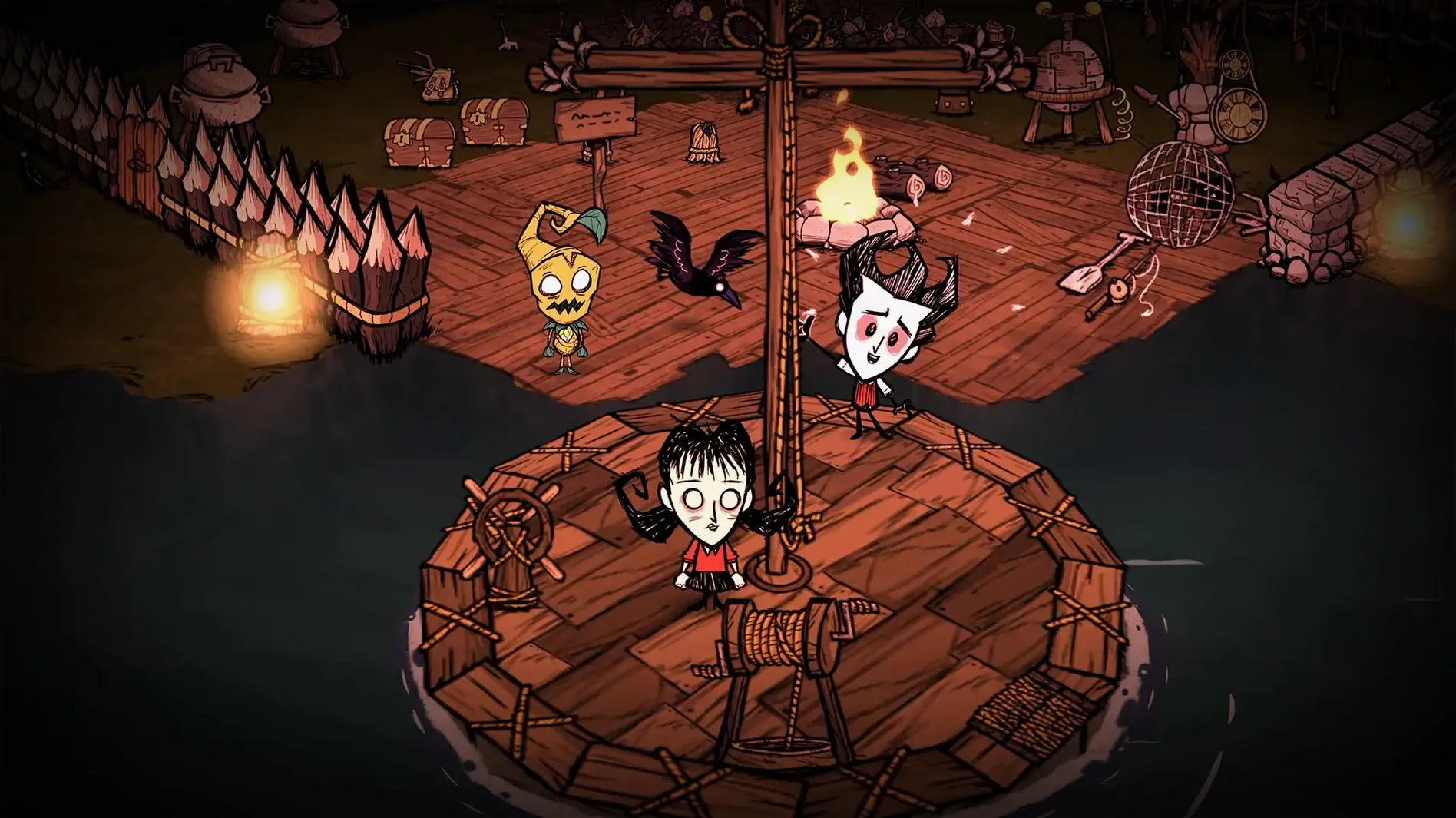
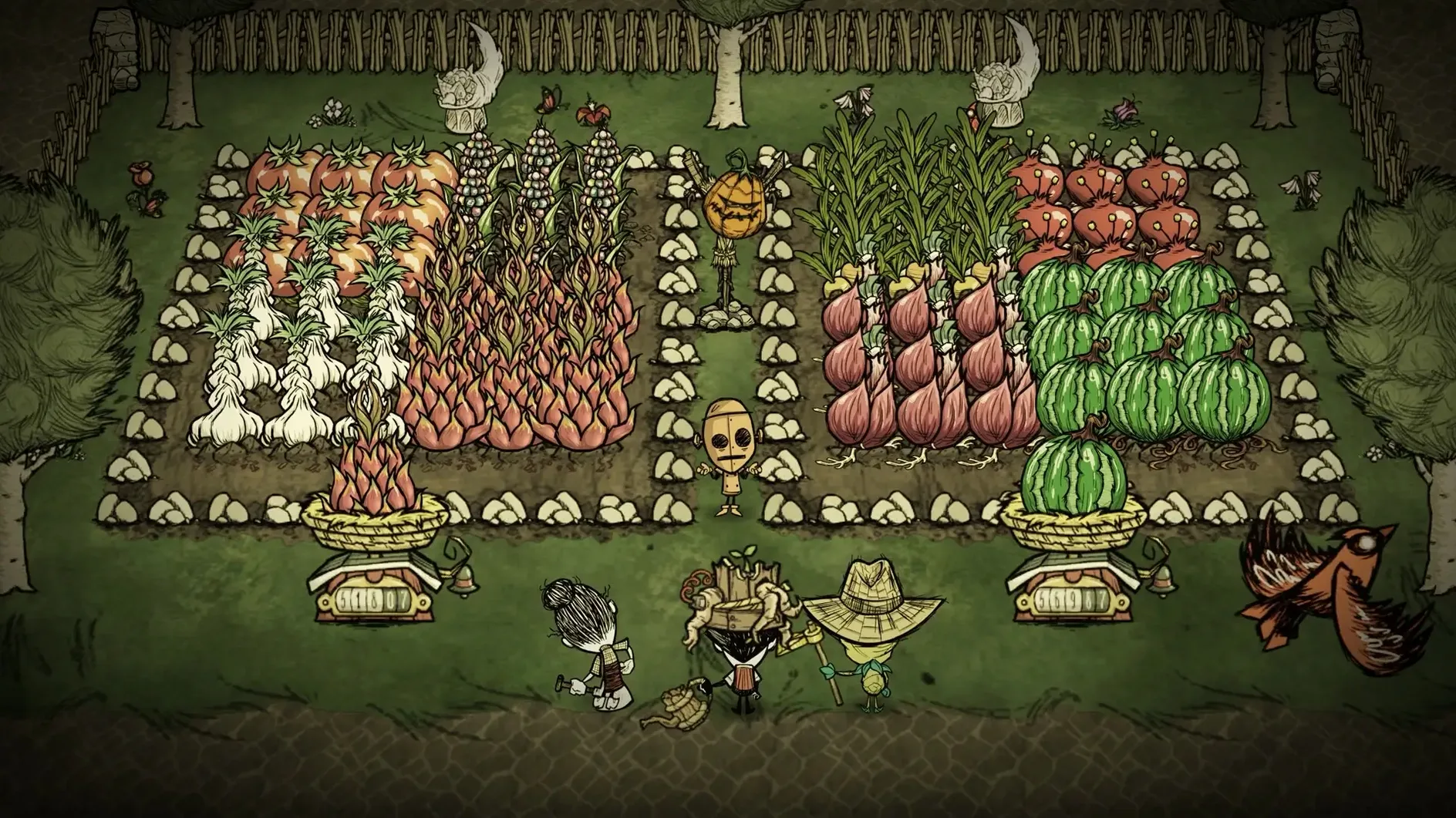
You have gathered some flint and a few twigs by nightfall, but the light of your campfire is already drawing hungry eyes from the dark. Your friend, half a screen away, is frantically chasing rabbits for a morsel of meat. Neither of you has an axe yet, and winter is coming. This is Don’t Starve Together.
Who will enjoy this world
Players who relish discovery without hand-holding will feel at home. The game refuses to explain its crafting, its seasons, or its shadow creatures: you learn by dying, then you try again with a friend, which makes failure more a story than a frustration.
The social heart of the experience
Survival changes entirely with company. A second pair of hands can gather resources while you build the base, but another mouth also doubles the food demands. Cooperation is not built-in with quests; it emerges naturally from whispered plans and last-minute rescues.
Where the friction lies
This is not a gentle pastoral. The lack of a tutorial, the permanent death option, and a world that actively schemes against you will push away anyone seeking a relaxed sandbox. If you prefer clear objectives or dislike losing hours of progress to one mistake, the game may simply feel punishing.
First three days: gather flint and twigs before darkness hits
New players often wander the map gathering anything that glitters, then freeze to death because they never crafted a torch. In the first three days, the priority list is short and non-negotiable. Gather exactly twelve twigs, nine flint, and enough grass to make a torch and an axe. The axe opens up wood, the wood opens up a campfire, and the campfire keeps the dark at bay. Do this before dusk on day one, even if it means ignoring berry bushes or carrots for a while.
Once the fire is lit, craft a pickaxe and gather stone. A fire pit made from stone is permanent and can be refuelled with logs, unlike a one-time campfire that vanishes to ash. This small investment saves panic on night two. Next, build a science machine from one gold nugget, four logs, and four stones. The science machine unlocks the backpack, the spear, and the log suit: three items that turn a fragile character into someone who might survive a week. Make the backpack first, because eight extra inventory slots change everything about gathering runs.
A common rhythm settles in by day five or six. One player cooks, the other scouts the map edges looking for beefalo herds, rocky biomes, or a pig village. Share map knowledge constantly: mention wormholes, touchstones, and any suspicious set pieces you find. A sketch of the world in your head is worth more than a full chest of carrots.
Mistakes beginners make: overconfidence and overpreparation
The first mistake is hoarding. An organised camp with six chests full of grass and twigs feels productive, but in the early game, every minute spent sorting inventory is a minute not spent locating gears, gold, or the swamp. Resources rot, and chests do not feed you. Gather what you need for the next two days, then move.
Another error is fighting without armour. A log suit absorbs 80% of incoming damage, yet many new players craft a spear and charge at a spider nest with nothing on their torso. Death comes in three hits. The same applies to the backpack: wearing it into combat blocks the armour slot, which means a surprise hound attack can end a run instantly. Drop the pack before the fight, or carry a football helmet as a head-slot alternative.
Neglecting the seasons is subtler but just as lethal. Autumn is generous; winter is not. By day sixteen, food becomes scarce, crops refuse to grow, and freezing drains health every few seconds. Beginners who have not crafted a thermal stone and a winter hat by day twenty are already dead and simply waiting for the screen to confirm it. The solution is to hunt a beefalo for its horn and wool early, or kill spiders for silk to make a winter garment. One dedicated hunting trip around day twelve saves the entire season.
Finally, many new players ignore the crock pot. Eating raw ingredients restores far less hunger and health than even the simplest cooked meal. Three berries and one morsel in a crock pot make meatballs that fill a stomach for a full day. Without the pot, you burn through food twice as fast and spend your entire session chasing rabbits instead of exploring.
A winter preparation run: from morning to dusk
Here is a concrete workflow for a single day, around day ten, with the goal of winter-proofing two players. Accept that you will not finish everything; survival games reward triage.
Dawn: check the crock pot for leftover meatballs. Eat one each if available. Split tasks for the first half of the morning. Player A shaves beefalo with a razor for wool; this must be done at night when they sleep, so if dawn catches you late, postpone shaving to the next dusk and scout instead. Player B chops a full stack of wood, because fires burn faster in winter and running out of fuel in a blizzard is fatal.
Midday: regroup at the science machine. Craft a thermal stone and a winter hat if you have the materials; otherwise, earmuffs from rabbit pelts are a temporary stopgap. Prepare the crock pot for a batch cook. Player A drops off meat, berries, and monster meat from spiders. Player B organises the ice box, discarding any red food items approaching spoilage. Cook four meatballs and leave two in the pot for emergencies.
Afternoon: this is the scouting window. Both players head northeast if that quadrant remains unexplored. Mark any touchstone on the map with a crafted sign or a dropped item visible from a distance. Touchstones are resurrection points: knowing the location of two turns a possible wipe into a minor setback. If you find gears from clockwork monsters, even one, build an ice-flingomatic near the base camp before winter begins, because summer fires will erase everything you have built.
Dusk: return to camp with full inventory. Refuel the fire pit to maximum, dump non-essential items into a single chest, and craft a second thermal stone so both players can venture out in cold. Before logging off for the night, plant a few pine cones near the base as a future wood source and leave a spare torch by the fire pit for emergencies. Nothing feels worse than logging back in at night with no light.
Windowed mode: keeping a Notes cheat-sheet on the side
The game runs well in a window, which makes it surprisingly cooperative with the macOS desktop. I keep a small Notes window open on the side for mapping shorthand: “wormhole west of spider forest,” “touchstone near pig king.” This is quicker than the in-game map markers and syncs to my phone if I want to plan a route away from the keyboard. Voice chat through Discord or FaceTime Audio runs cleanly in the background; the game’s own text chat is serviceable but typing during a hound wave is a losing proposition.
For players who come from the single-player Don’t Starve, the shared world changes how you think about scarcity. Resources are not doubled; a flint deposit that was enough for one survivor is suddenly a point of negotiation. I have seen couples use a shared Reminders list for base-building goals so that one person’s afternoon session does not accidentally duplicate the other’s crafting plans. It sounds excessive, but a half-built alchemy engine and a missing gear are a bitter discovery when you thought your partner had finished it.
The game also benefits from macOS’s memory handling on Apple Silicon. Background applications stay responsive, and switching spaces to look up a wiki page on the Don’t Starve wiki, or to check a crock pot recipe while the game ticks on in the background, works without stuttering. Some players searching for a don't starve torrent or a dont starve together torrent end up here, and while their reasons vary, the shared experience is the same: a world that does not care if you live or die, and a friend who does.








Correspondence 0
Take a chair or join the table to send a letter.
No correspondence on this note yet. Letters are read before they appear.