 LeCoqRoti
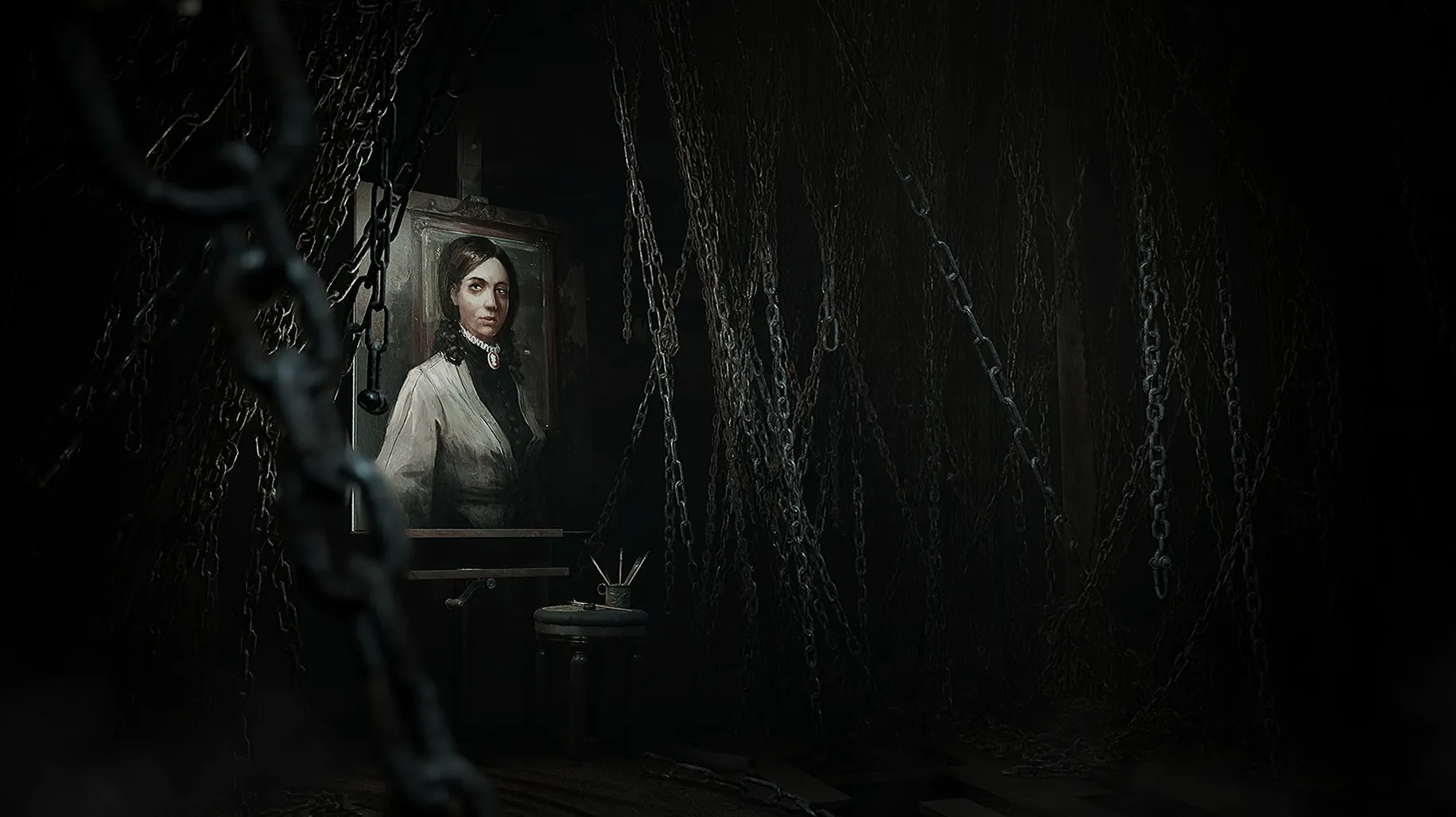
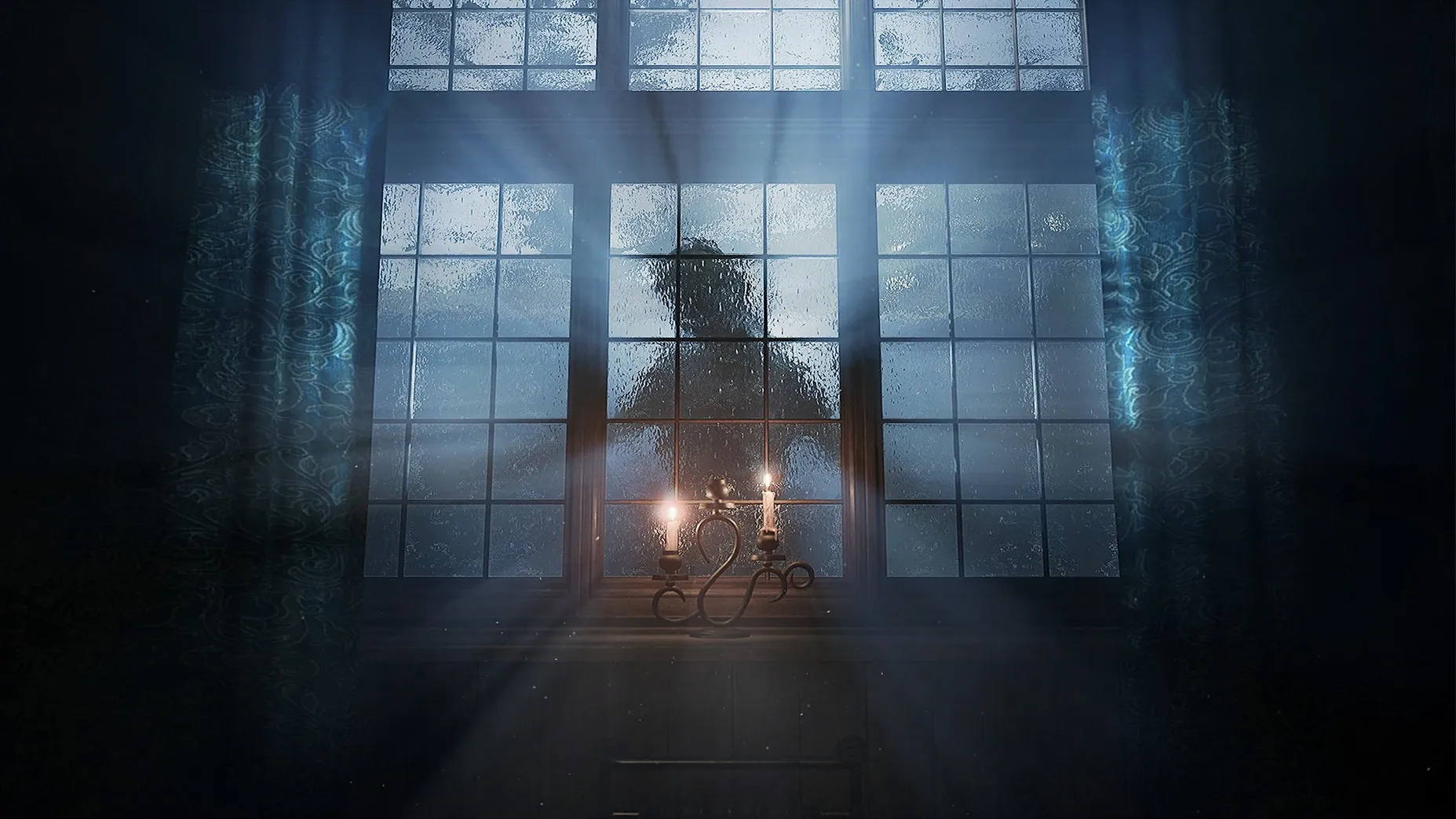
You enter the studio at dusk. The door clicks shut behind you. A blank canvas waits in the centre of the room, and a half-remembered letter on the floor suggests your masterpiece is still unfinished. You pick up a brush. The walls begin to breathe.
Minute by minute: the rhythm of the house
- Read the room. Every space is a clue. You turn over photographs, open drawers, tilt paintings toward the light. The story unspools through objects, not exposition.
- Listen for the shift. A child's laugh from the floor above. A door that was not there a moment ago. The house reconfigures itself while you are looking elsewhere, so you learn to turn around often.
- Solve the scene. Puzzles are tactile and diegetic: align a projector, decipher a musical phrase, rotate a stereoscope slide until the image locks. Nothing pulls you out of the fiction.
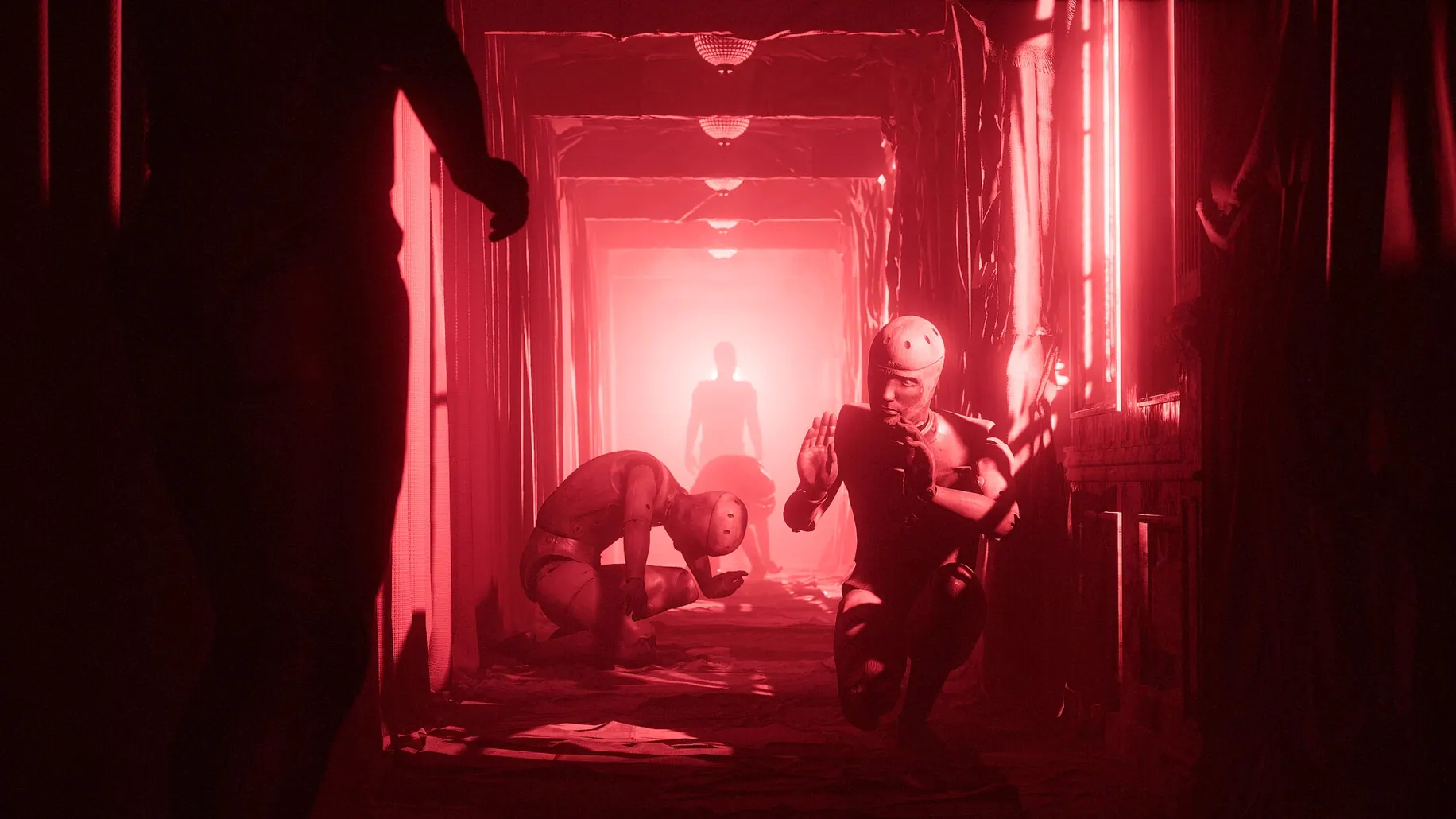
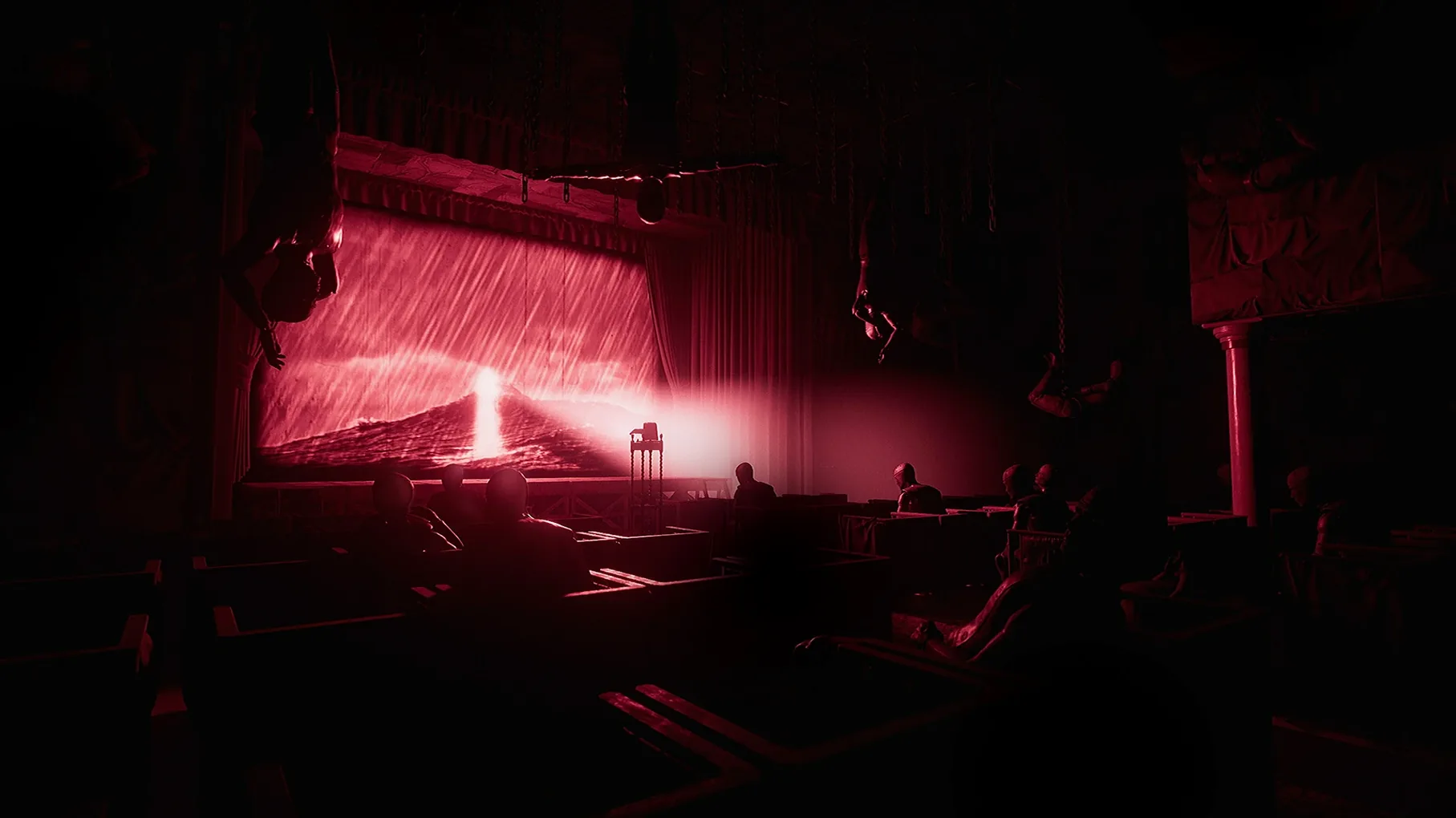
- Walk into the memory. The painter's past bleeds through. You will step through a mirror and find yourself on a stage, or in a corridor of mannequins, or inside a painting you finished twenty years ago.
- Face what follows. There are chase sequences. A spectre of twisted canvas and regret barrels toward you, and the only exit is through a door that may not open twice.
The collection bundles the original game, its sequel, and a new linking story, all rebuilt on Unreal Engine 5. The Mac version supports 4K resolution, HDR, and ray tracing — the oil-paint sheen on a half-finished portrait catches candlelight in a way that makes you lean closer before you remember you should not.
M1 performance: running Unreal Engine 5 without a meltdown
A common question concerns performance on the M1 chip. The game asks a lot of a machine — Unreal Engine 5, ray-traced reflections in every puddle of paint, 4K textures that load as you turn a corner. On a MacBook Air from 2020 it holds a steady thirty frames per second at 1440p with a few settings dialled back; the fan becomes audible during the densest sequences but never distracts. A Mac with an M1 Pro or later chip handles 4K more comfortably, particularly in the sequel’s wider, more open interiors.
People also ask whether the horror leans on jump scares or slow dread. The answer is both, but not equally. The house itself is the antagonist: walls shift, paintings mutate when your back is turned, and a grandfather clock chimes thirteen. Sudden noises and apparitions do arrive, yet they feel like punctuation in a longer sentence of unease. A third question is about length. A thorough playthrough of the painter’s story runs roughly four to five hours; adding the sequel and the Final Note storyline stretches the experience past twelve, depending on how long you stand in doorways, listening.
Ikebukuro rain: headphones on, blinds closed, menu fades in
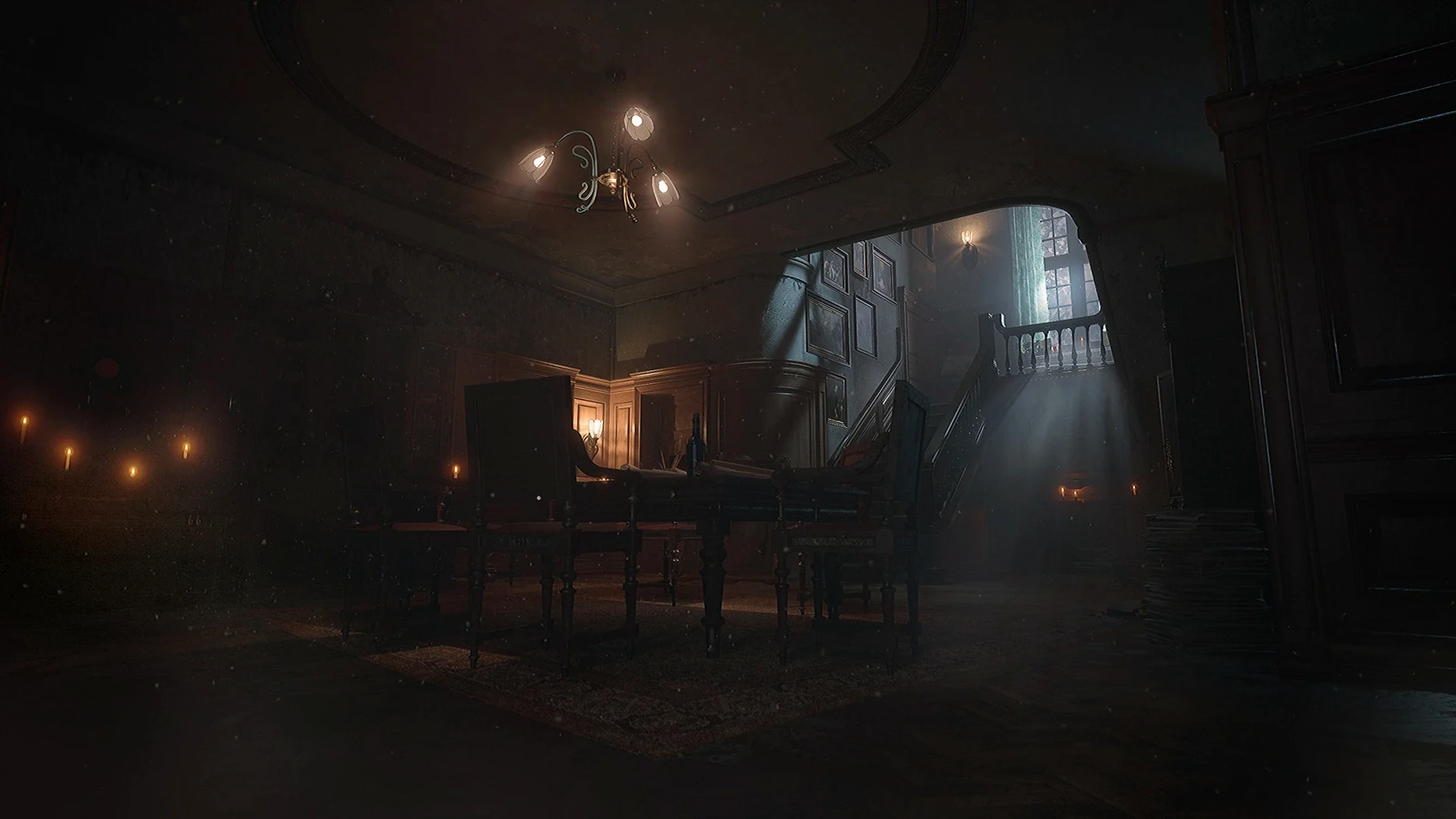
It is a rainy evening in Ikebukuro. The studio is quiet; your audio producer neighbour has gone home. You close the blinds, connect a pair of headphones, and launch the game from the Applications folder. The menu fades into a hallway you have walked before, but tonight the chandelier is flickering in a rhythm you do not recognise.
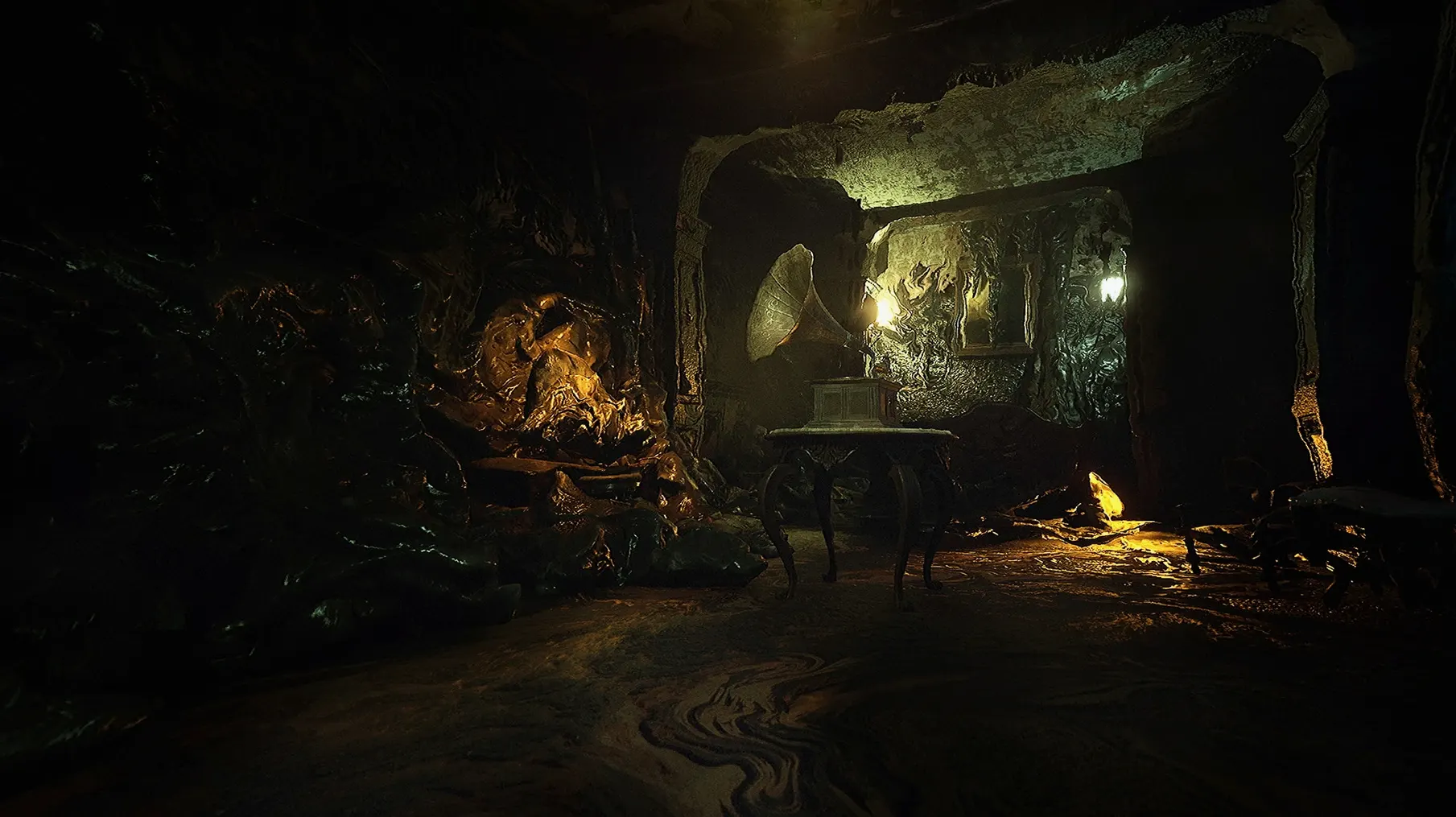
You move through the study slowly, opening a cabinet you missed on two previous visits. Inside: a child’s drawing, a rusted key, and a phonograph cylinder. The key fits a locked drawer in the atelier; the cylinder plays a lullaby that makes the mannequin in the corner turn its head. You make a note — not on paper, just in the part of your brain that now treats this house as a real place. The painting on the east wall has changed. A door appears where the fireplace used to be. You step through into the ballroom sequence from the second game, and suddenly it is three hours later and the rain has stopped. The lamp on your physical desk is still off. You had not noticed.






Correspondence 0
Take a chair or join the table to send a letter.
No correspondence on this note yet. Letters are read before they appear.