 LeCoqRoti
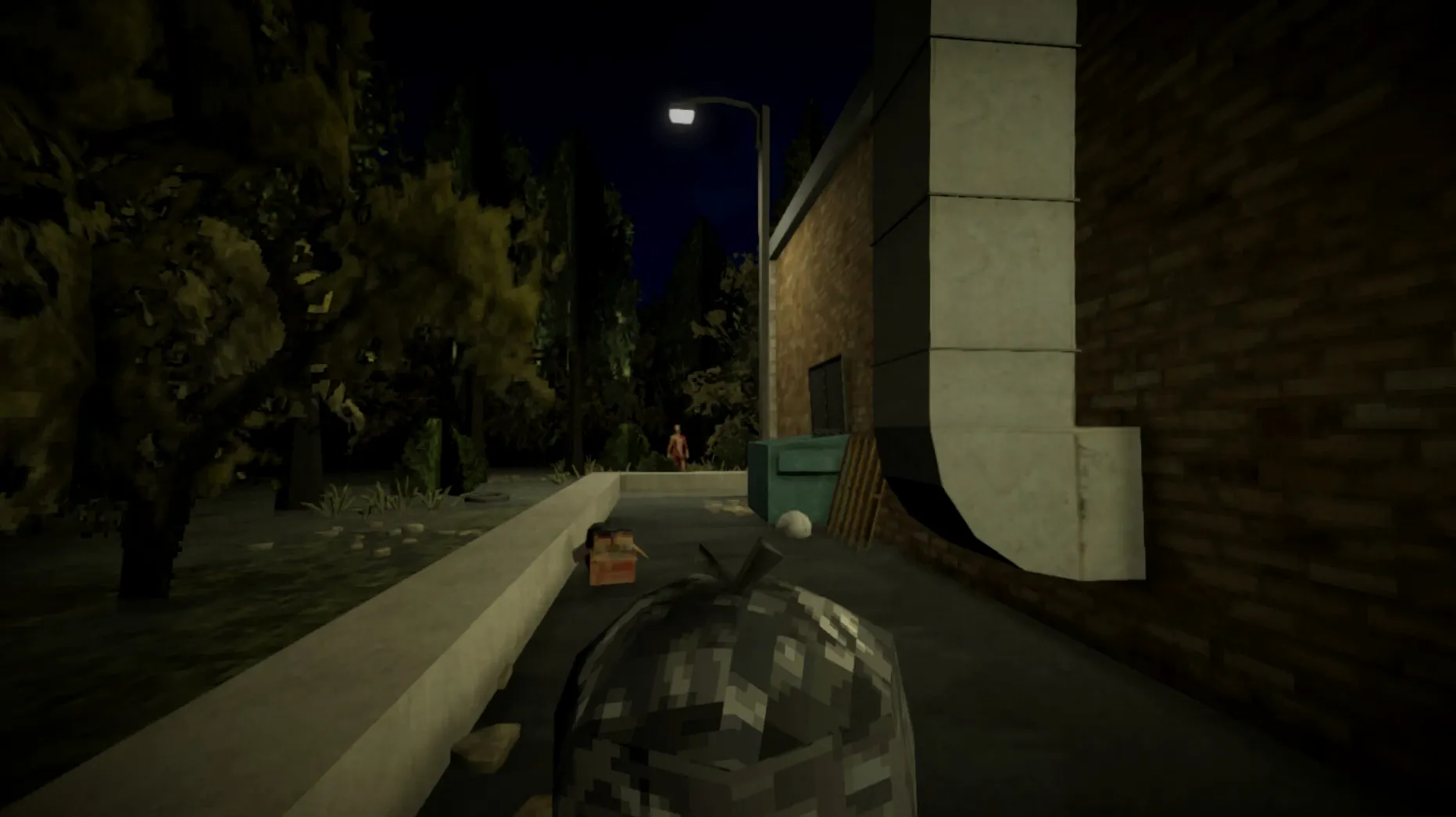
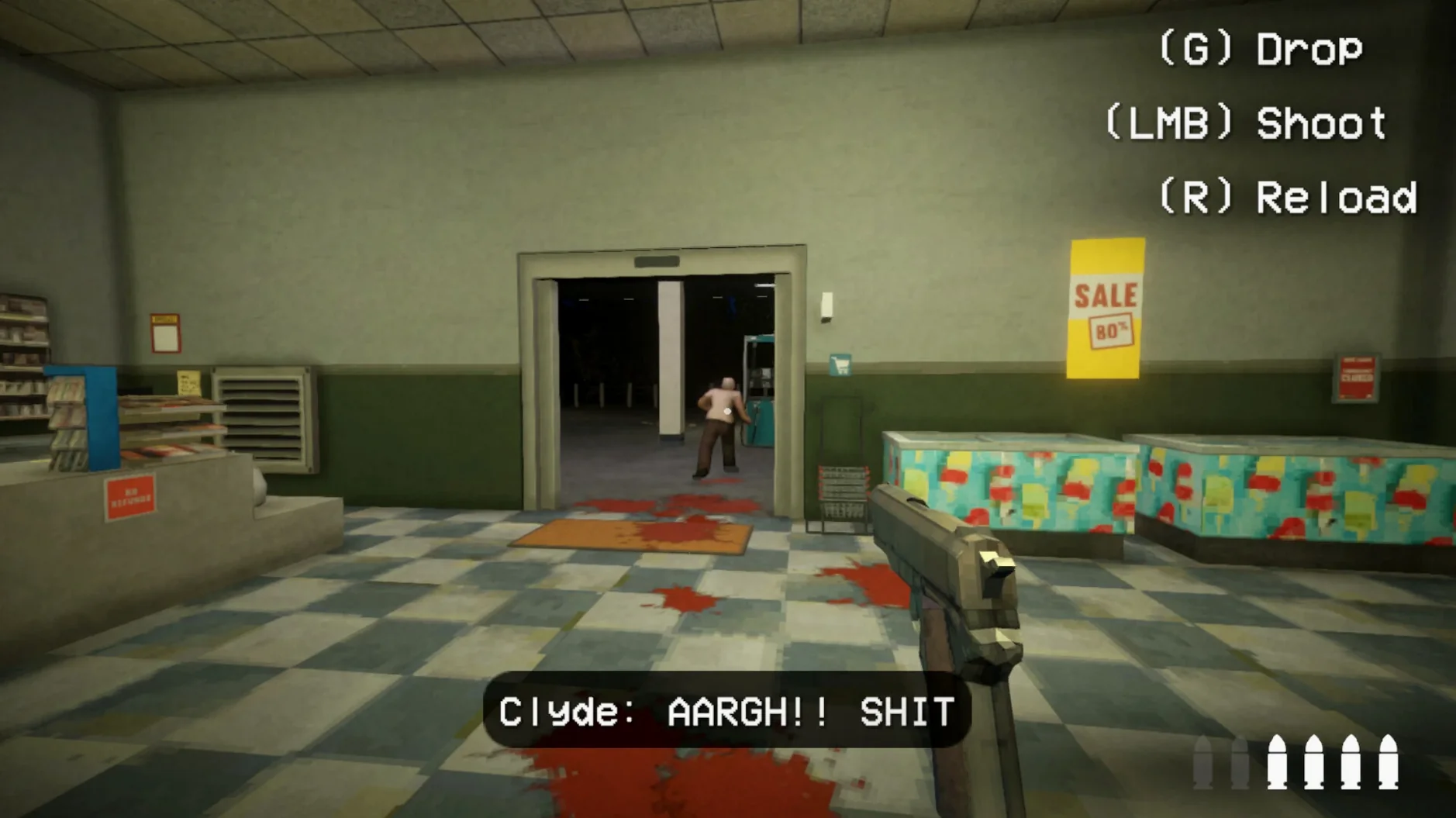
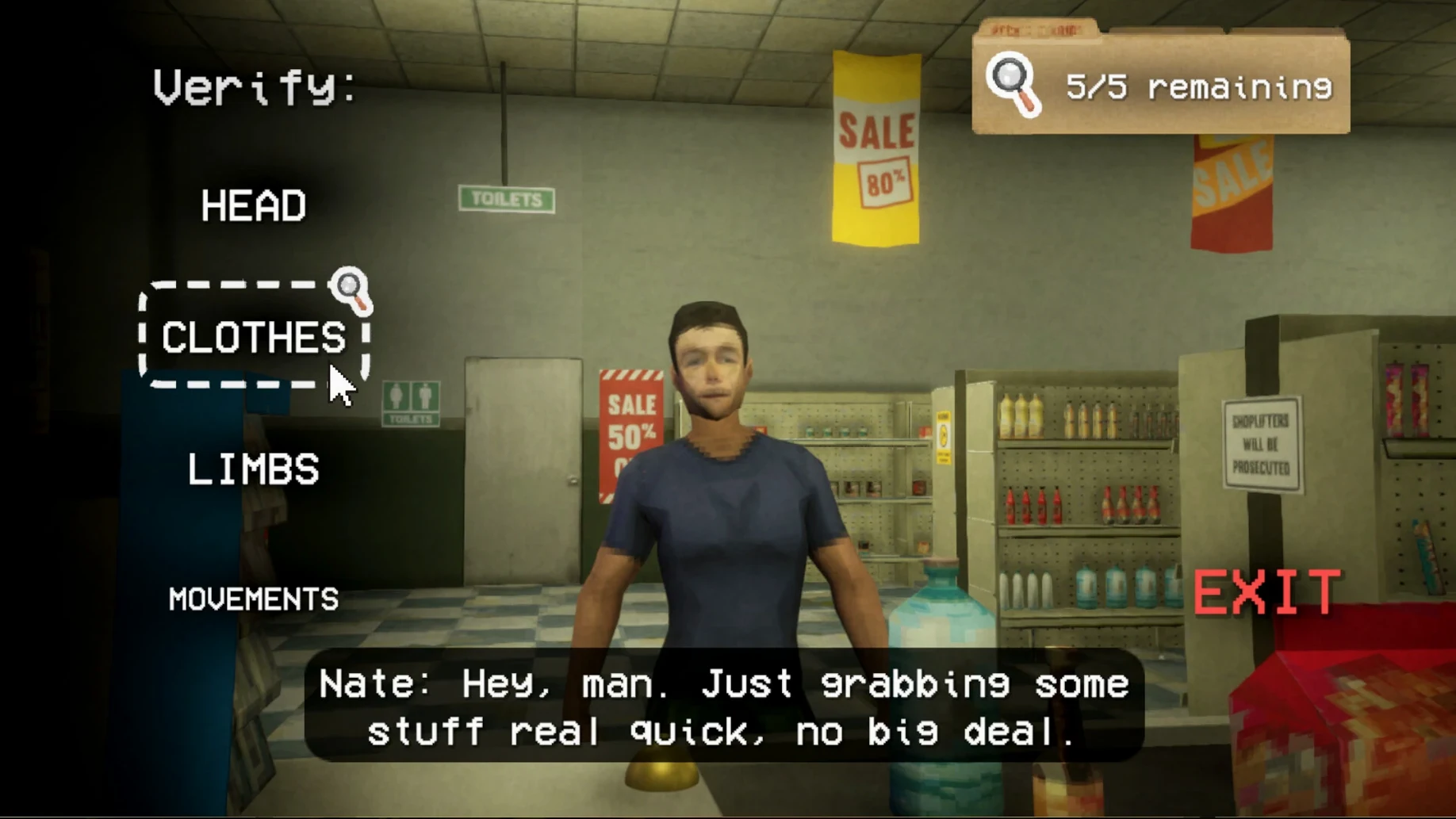
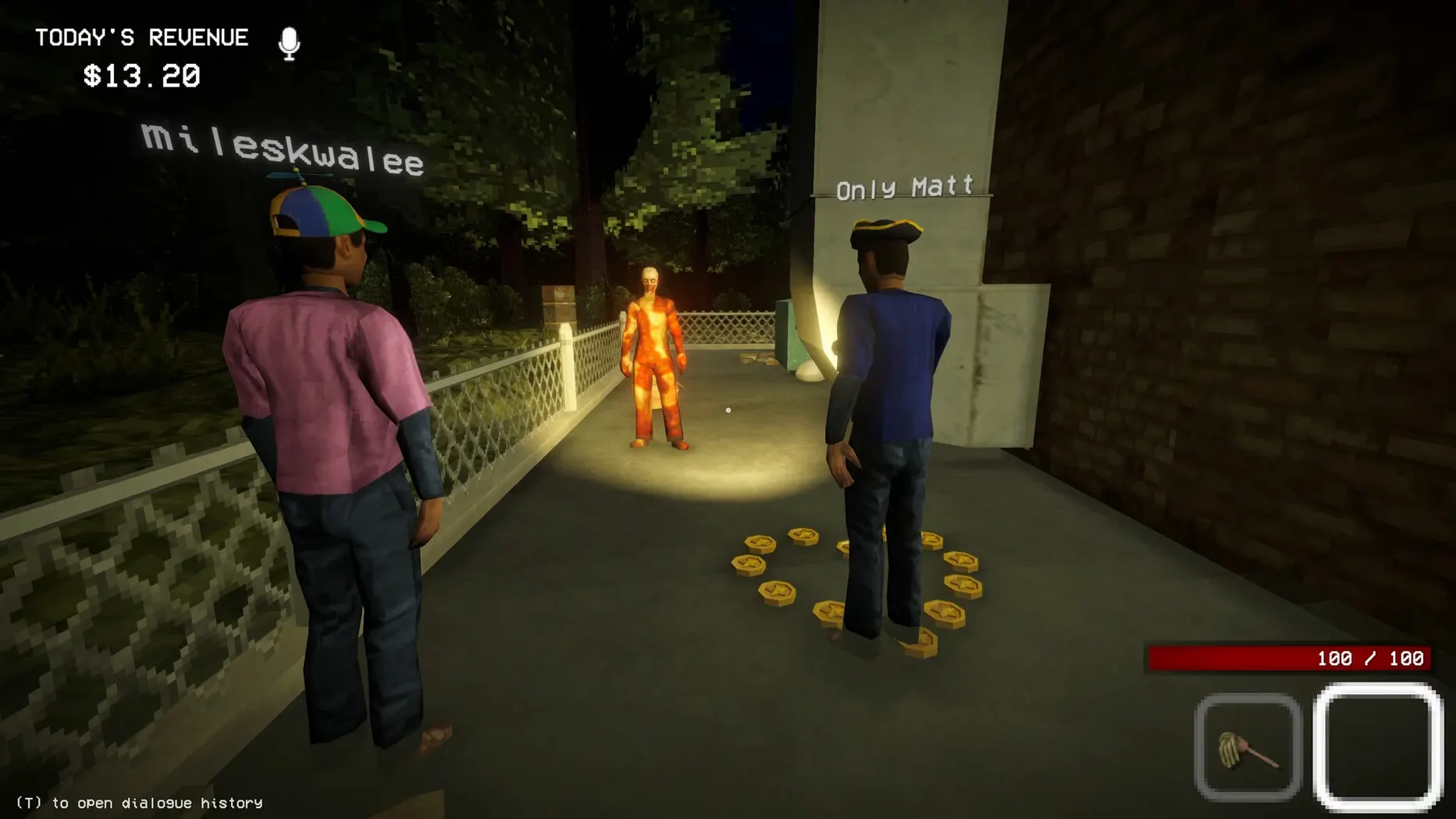
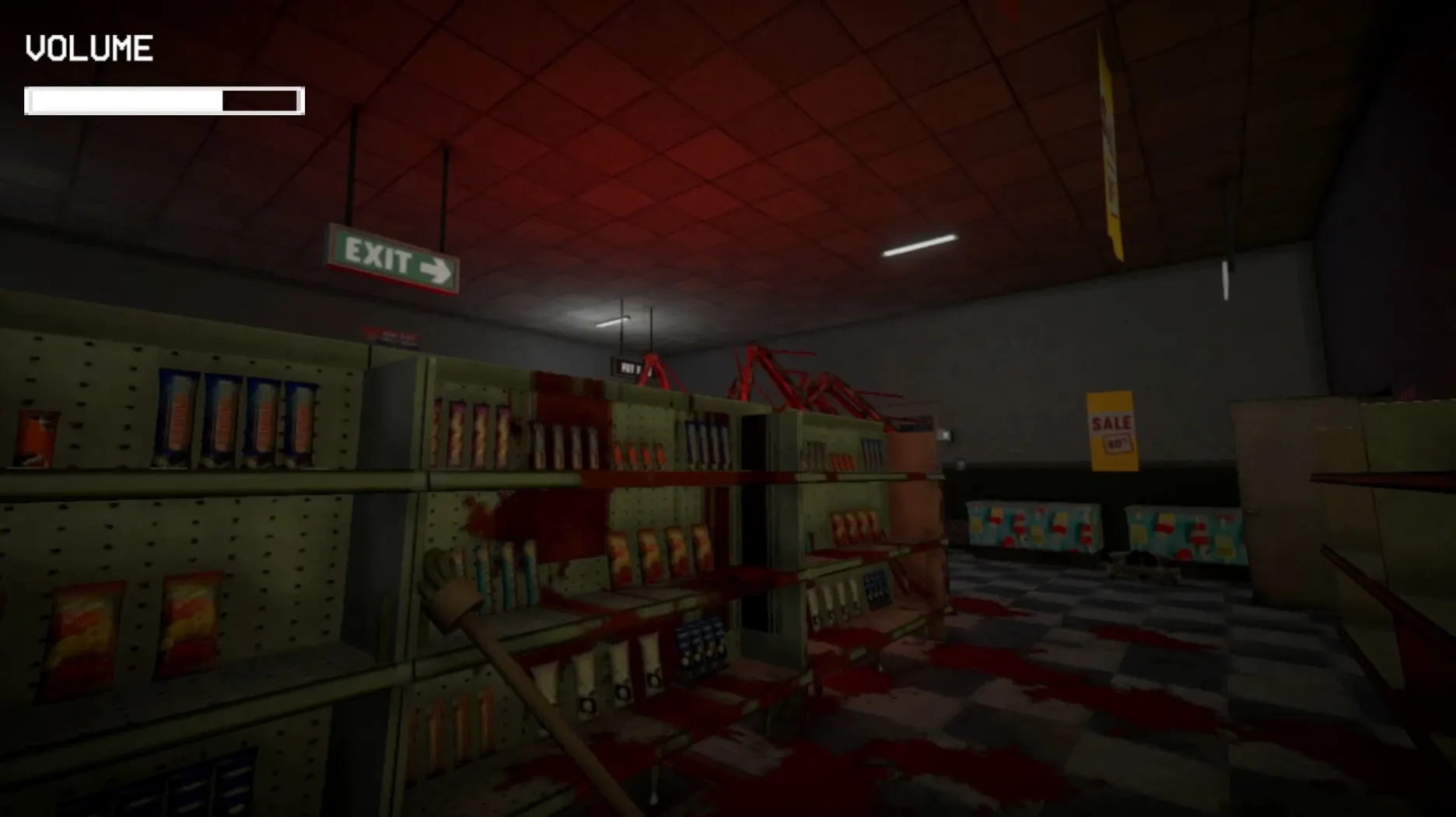
Most co-op horror locks you in a mansion or an asylum. Shift at Midnight takes a different route: the dread sits in the fluorescent hum of a gas station where you and up to two friends work the graveyard shift. The problem is not boredom — it is that some customers are not customers.
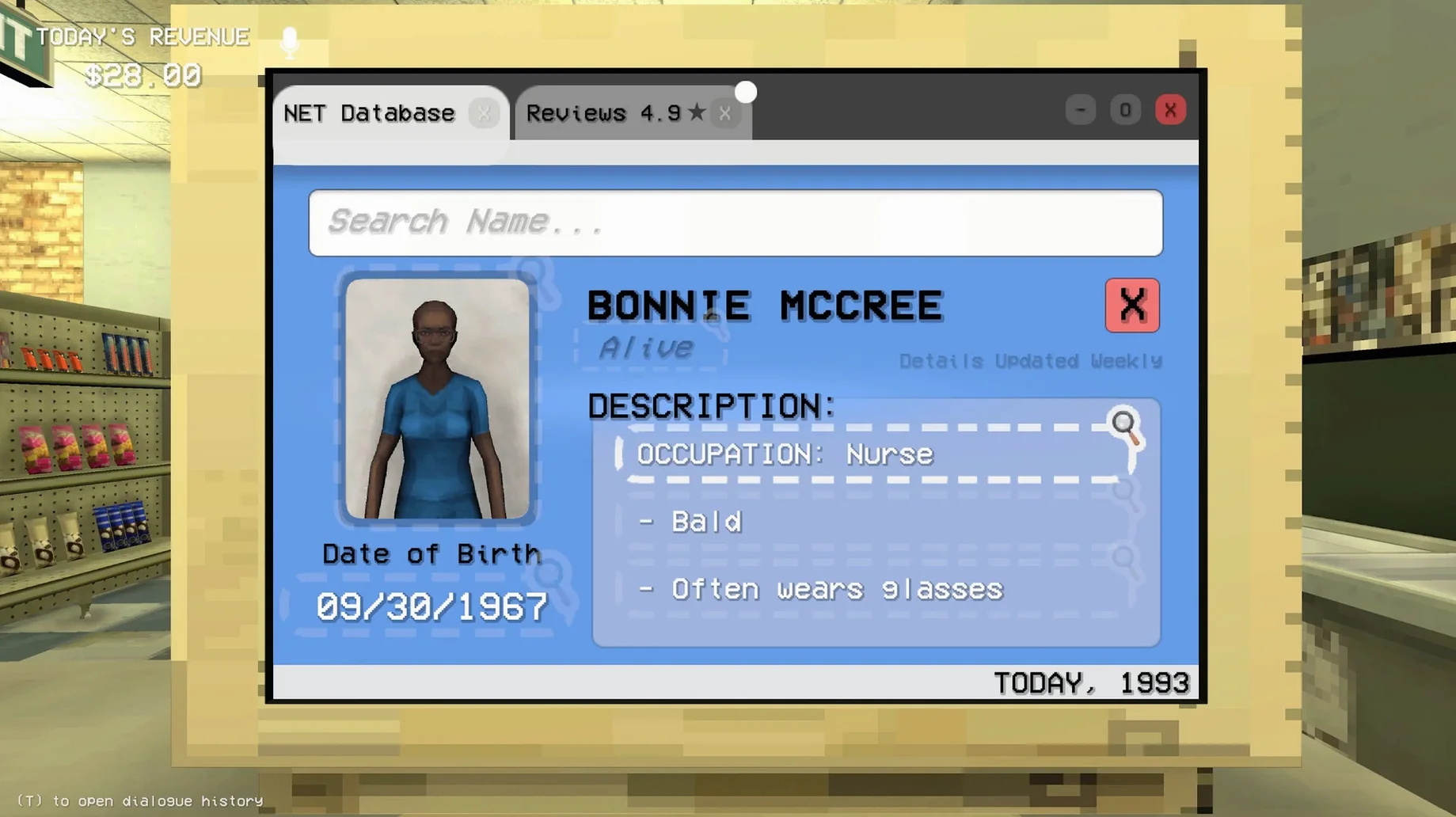
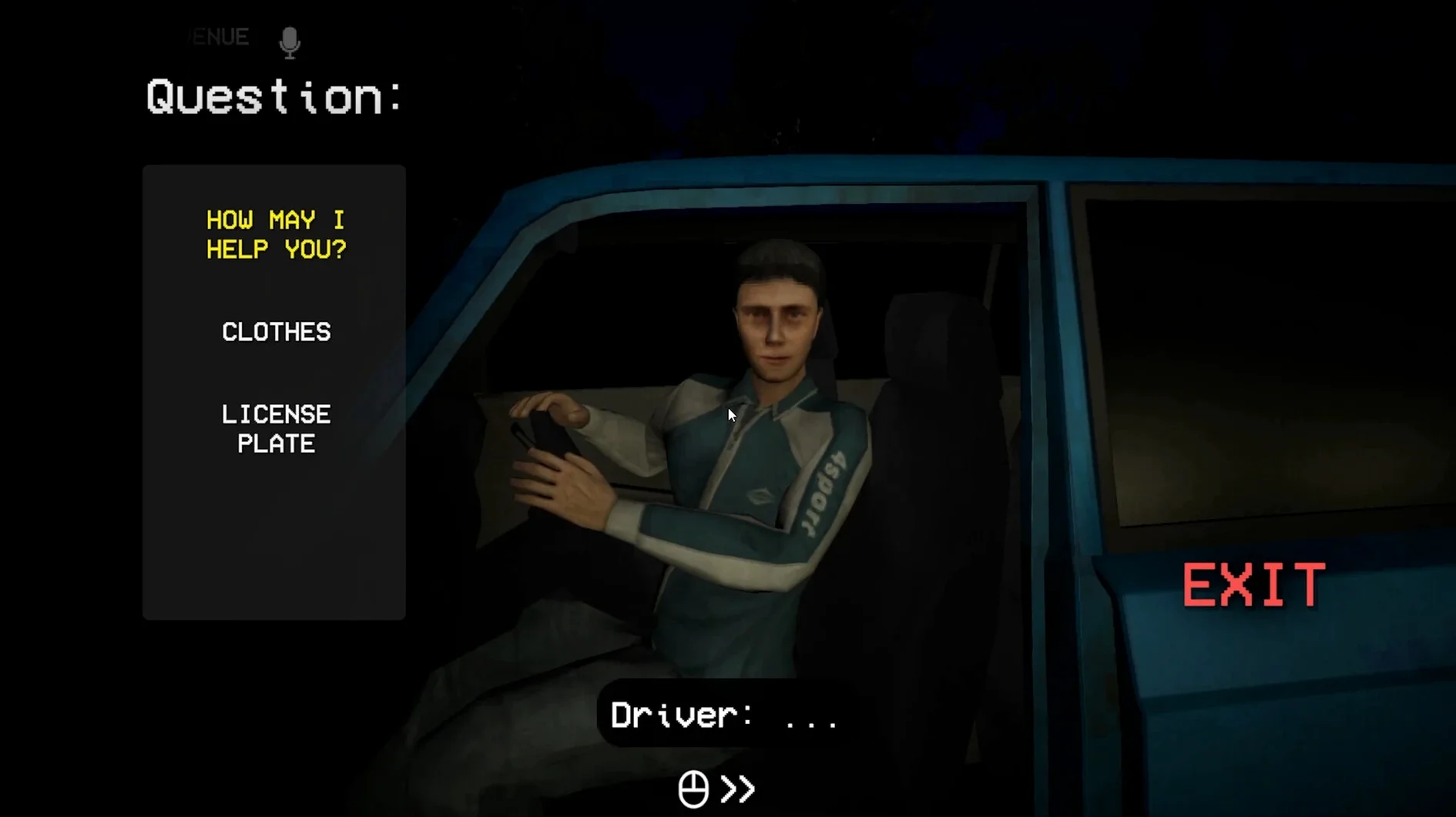
Running the Wineskin build on an Apple Silicon Mac — it was tested on macOS Tahoe with an M4 Mac mini — keeps things straightforward. The controls translate cleanly: you check IDs against the station computer, question anyone who walks in, and decide whether to serve or stall. Mistakes invite something worse than a bad review.
When a doppelganger slips through, the tone shifts from procedural suspicion to outright panic. You barricade doors, set traps, and hide while nearby-friends chat crackles with half-finished warnings. Character customisation adds a sliver of personality before the shift goes sideways, and the randomly generated shifts mean no two nights unfold the same way. Performance on Apple Silicon holds steady; the Wineskin wrapper adds a click of setup but nothing that breaks the atmosphere.
First launch errors: run the Fix file before reinstalling
Two things matter more than they should at the start. First, the Fix file. The disk image includes it for a reason: if the app produces an error on first launch, do not delete and reinstall — run the Fix file, then open the game again. It resolves the common Wineskin hiccup in a few seconds. Second, the proximity chat sensitivity. Open the audio settings before your first co-op shift and lower the input threshold slightly; the default picks up breathing and background hum, which is atmospheric until it drowns out a friend whispering about a customer whose eyes did not blink.
A smaller note: character customisation sits in the main menu, not inside a shift. Set your appearance — hood up, colour palette muted or loud — before the lobby fills. You cannot change it mid-game, and arriving as the default silhouette while your crew sports personalised looks feels like turning up to a crime scene in a boiler suit.
A shift from start to finish
You join a lobby at eleven-fifty in the evening, game time. The station interior loads with its familiar layout: four aisles, counter at the front, stockroom door ajar. One friend is already inspecting a delivery pallet; the other is wiping a spill near the coffee machine. The proximity audio clicks in — footsteps, the rustle of a crisp packet being restocked — and then the first customer walks through the door.
She hands over an ID. You type the number into the station terminal. Name matches, photo is close enough. The five-question system gives you room to probe: you ask about her journey, her destination, the time she expects to arrive. Answers are plausible, almost boring. You authorise the sale. She pays, buys a pack of gum, and leaves. Routine. The kind of routine that lulls you.
An hour later a man in a windbreaker approaches the counter. His ID looks fine, but when you ask the third question — about the weather further up the highway — his reply repeats the first answer word for word. The terminal flags a mismatch on the vehicle registration. You stall. He tilts his head. The shift tilts with it.
What follows is less a chase and more a sequence of split-second decisions: you call out on proximity chat, your friend hits the barricade on the stockroom door while you trigger a tripwire near the fridge aisle, then you both crouch behind the counter as footsteps slow and stop six metres away. The doppelganger loses interest after forty seconds. The shift continues. The next three customers are human, or at least better at pretending.
By four in the morning the shelves are stocked, the floor is clean, and two of you are visibly rattled while the third hums along to the station radio. That contrast — the mundane tasks sitting next to genuine tension — is where the game earns its keep.
Cold launch delay: eight seconds on Apple Silicon
The Wineskin wrapper adds roughly eight seconds to the cold launch time on an M4 Mac mini; subsequent launches are faster. Once in-game, the frame timing stays consistent — no stutter when the station interior shifts from calm to chase mode, no audio desync on proximity chat during the moments that require it most.
Memory use hovers around 2.1 GB during a three-player shift. That leaves plenty of headroom for a voice call outside the game, which matters if you prefer Discord for lobby coordination and reserve in-game chat for the close-quarters whispers. The CPU draw remains modest: the fans on the Mac mini did not spin up during a full four-hour session on macOS Tahoe. Heat was present but not uncomfortable — the kind of warmth you get from streaming video, not from rendering a 3D scene.
The randomised shift generation is the only element that occasionally introduces a pause: when the game assembles a new layout at the start of a run, there is a two-second hitch. It happens once per shift and not during gameplay itself. For a build wrapped through Wineskin rather than native Metal, the overall feel is close to transparent — you notice the wrapper only when you install, not when you play.





Correspondence 0
Take a chair or join the table to send a letter.
No correspondence on this note yet. Letters are read before they appear.