 LeCoqRoti
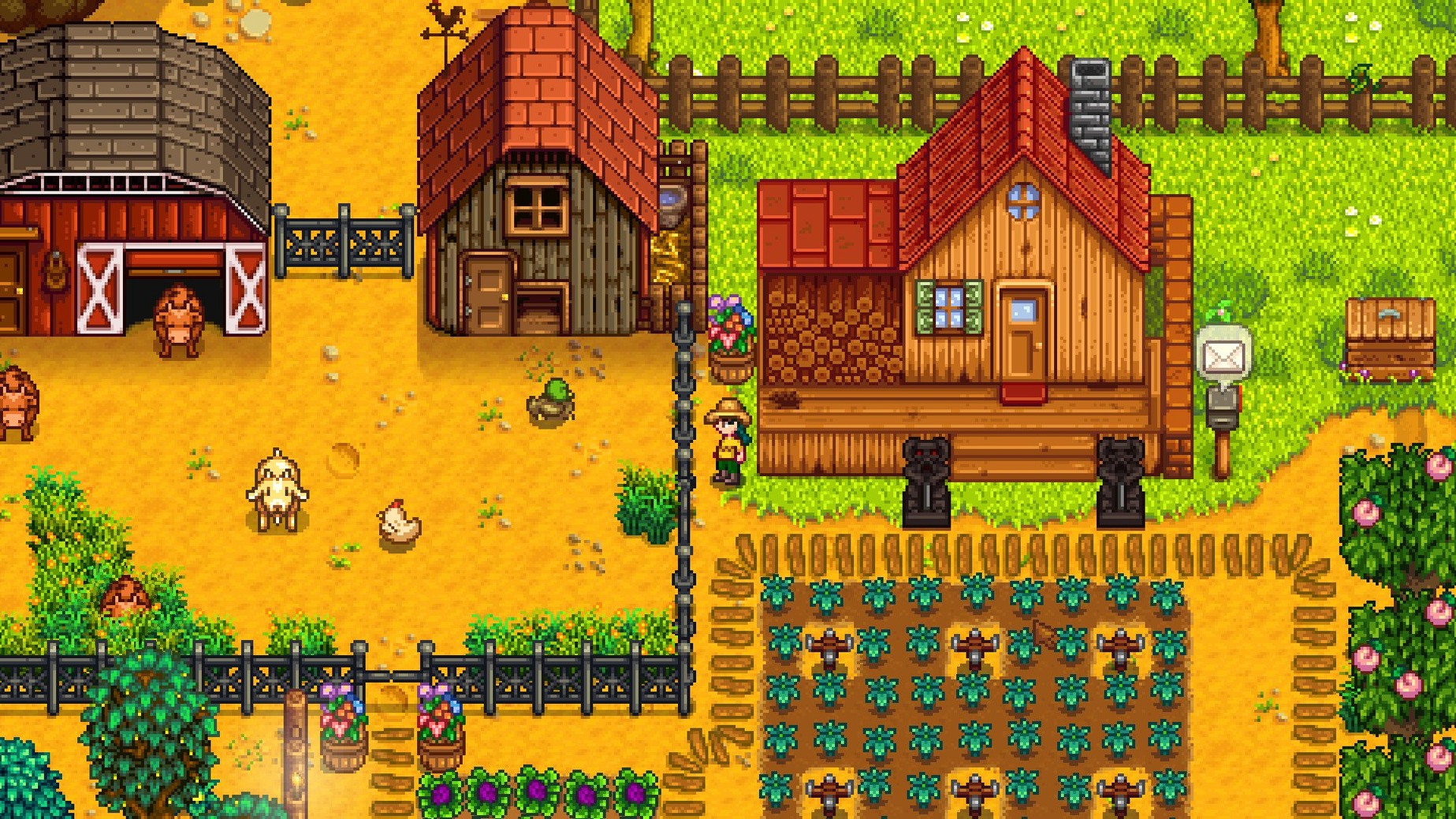
The sort of person who settles into Stardew Valley tends to bring a particular temperament: unhurried, quietly systematic, and drawn to the rhythm of small tasks rather than spectacle. It is not a game that demands fast reflexes or constant action. Instead, it hands you an overgrown plot of land, a few basic tools, and a community centre whose boarded-up windows suggest something worth restoring. The satisfaction comes from clearing one patch of weeds, then another, until the shape of a working farm begins to emerge from the wilderness.
Who it suits: three temperaments
- The gentle organiser. Players who find pleasure in sorting chests by season, planning crop rotations, and laying out a coop where the morning light hits just right will feel immediately at home. The game rewards methodical care with visible, steady progress.
- The collector and completer. A museum with empty shelves, a fishing log with gaps, seasonal recipes that appear only in one week of the year — the valley is dense with things to find. Completionists can lose months tracking down every last artefact.
- The social cartographer. Twelve townspeople, each with their own routines, dislikes, and locked-away stories. Learning the map of who loves blackberry cobbler and who vanishes to the mountain on rainy afternoons becomes its own quiet puzzle.
When watering feels like a chore: incremental joys wear thin
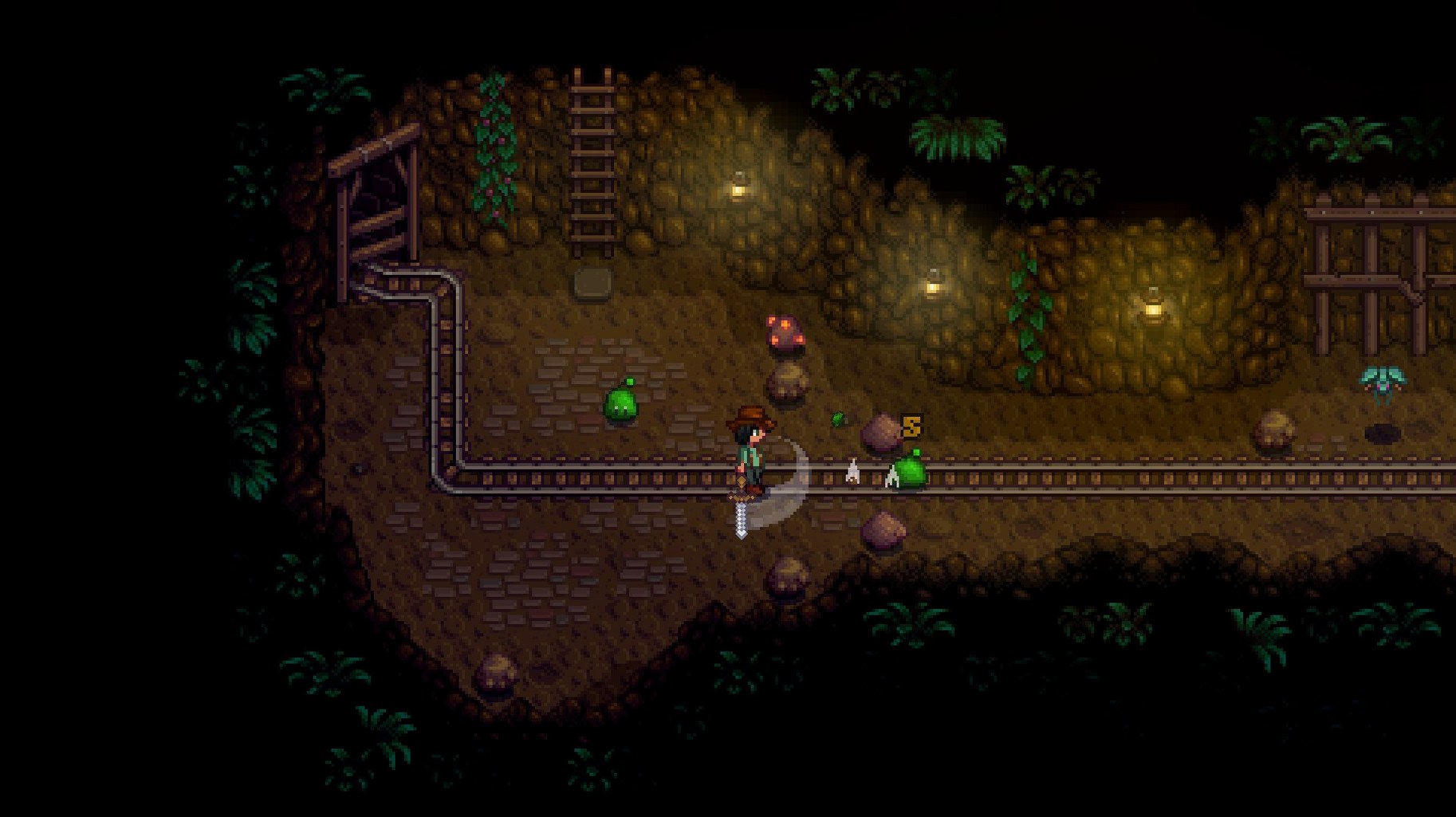
If the idea of watering the same twelve squares each morning sounds like a chore rather than a comfort, the game may not hold you. Its pleasures are incremental: a slightly larger backpack, a new kitchen extension, a bundle completed after three seasons of waiting. There are no skill trees to min-max, no leaderboards, and the mines — the closest thing to combat — remain a side note. The valley asks you to slow down to its pace, and not every player will want to accept that invitation.
A morning in late spring: one session, step by step
It is the fifteenth of Spring, year two. Your farmer wakes at six to the sound of rain against the window — a small mercy, since the forty-eight squares of cauliflower and the new strawberry patch will not need watering. You check the television: the Fortune Teller mentions good luck, which means the mines might be generous today. The first decision of the morning is whether to push deeper into the iron levels or finally catch the catfish you still need for the river fish bundle.
You step outside. The rain means no animals need tending yet — the barn doors are still closed, Marnie's cows and your two goats safe inside. You swing by the mushroom cave first, collecting six common mushrooms and two red ones, then empty the crab pots along the pond: one snail, a piece of driftwood, and a crayfish destined for the shipping bin. The preserves jar beside the house finishes its cycle, and you swap the cauliflower inside for a fresh strawberry before checking the calendar outside Pierre's. Leah's birthday is in two days. You make a mental note: goat cheese, her favourite.
By 9:40 am you are at the mountain lake, rod in hand, casting into the deeper water where catfish linger on rainy Spring mornings. The minigame is tense but familiar — the green bar follows the fish's darting movements, and after three failed attempts that cost you a few algae and a broken fishing line, the fourth strike lands. The catfish goes into your backpack, and the bundle at the community centre is one step closer. By noon you are in the mines, chipping iron nodes on level forty-four, and by the time your energy bar dips into the yellow you have enough ore to craft two more quality sprinklers. You are home by four, sorting the day's haul into colour-coded chests, and the satisfaction is entirely disproportionate to the scale of the achievements: a single fish, a handful of ore, and a birthday planned two days early.
Version 1.6: three changes that altered the rhythm
The latest builds, including the 1.6.15 iteration, introduced refinements that seasoned players will notice in the first hour. The most tangible for anyone maintaining a fish pond empire is the adjustment to legendary fish ponds: roe production is now more frequent, and the daily average value has been nudged upward. A single pond stocked with a Crimsonfish or an Angler becomes a noticeably steadier income stream, which shifts the mid-game economy for players who prefer fishing to farming. Where legendary ponds once felt like a trophy case, they now function as a genuine revenue source, comparable to a barn full of pigs on a good truffle day.
The addition of a Junimo bundle button to the fridge and mini-fridge interfaces is a quieter but equally welcome change. Before this, checking which ingredients you still needed for a recipe often meant walking to the community centre or consulting a handwritten list. Now, opening the fridge lets you see at a glance whether you have the right vegetables for that pepper popper bundle, or whether you need to plant an extra tomato come summer. It is a small interface tweak, but one that eliminates a persistent friction point for anyone deep in the community centre restoration.
Under the hood, the performance optimisations are easier to feel than to describe. On older Macs, the transition between farm and town — particularly on rainy days with animated foliage — used to hitch for a fraction of a second. That micro-stutter is largely gone now. The game draws its pixel-art world with a smoothness that keeps the day-night cycle flowing without interruption, even when the screen is dense with crops, animals, and weather effects. Several crash fixes and multiplayer stability improvements round out the patch notes, though the single-player experience benefits indirectly from the tightened netcode and memory handling.
A specific task: restoring the greenhouse
The greenhouse is one of the valley's most transformative upgrades: a plot of tillable soil indoors, immune to seasons, where ancient fruit and starfruit can grow year-round. Unlocking it requires completing the pantry bundles at the community centre, and the path from first planting to greenhouse door is a useful illustration of how the game layers short-term actions into long-term goals.
The pantry demands six bundles: spring crops, summer crops, fall crops, quality crops, animal products, and artisan goods. You begin in spring by planting parsnips, green beans, cauliflower, and potatoes — the four required vegetables — and setting aside five gold-star parsnips for the quality bundle. The summer crops bundle is the easiest: a tomato, hot pepper, blueberry, and melon can all be planted on day one of the season and harvested within the first two weeks. Fall requires corn (which, helpfully, carries over from summer if you planted early) alongside eggplant, pumpkin, and yam. Throughout, you are saving gold-star versions of three crops — melon, pumpkin, and corn work well — for the quality bundle, which demands five gold-star items from a larger list.
Meanwhile, the animal bundle runs on its own timeline. A basic coop, four chickens, and a few weeks of collecting large eggs will satisfy the egg requirement; a barn with two cows provides large milk. The artisan bundle asks for truffle oil, cloth, goat cheese, honey, and either jelly or fruit — items that require a loom, a cheese press, and either a beehive or a preserves jar, all craftable before the first winter. The trick is overlapping the long-lead items: goat cheese takes a goat, which takes a barn upgrade, which takes hardwood and gold. Starting the barn upgrade in late summer means the cheese is ready by mid-fall, just as the pumpkin harvest comes in.
By the end of Fall, year one, the pantry bundles are complete. The community centre cutscene plays, the Junimos repair the greenhouse, and the following morning you have a 12-by-10 indoor garden. The first ancient seed you found in the mines goes into the tilled soil, and from that single plant — tended through winter, its fruit fed into a seed maker — an entire greenhouse of ancient fruit will eventually follow. The whole process took three seasons, but no single step required more than ten minutes of a given game day.
Under the hood: speed, stability, resource footprint
Stardew Valley runs on a custom engine built by a single developer, and the technical modesty of that foundation shows in its resource demands. On a modern Apple Silicon Mac the game is effectively weightless: it draws a fraction of the CPU, stays cool to the touch after hours of play, and launches in under three seconds from a cold start. The pixel-art aesthetic means there is no graphical scaling to worry about, no shader compilation stutter, and no fan noise. It is among the quietest pieces of software you can run on a Mac — in every sense of the word.
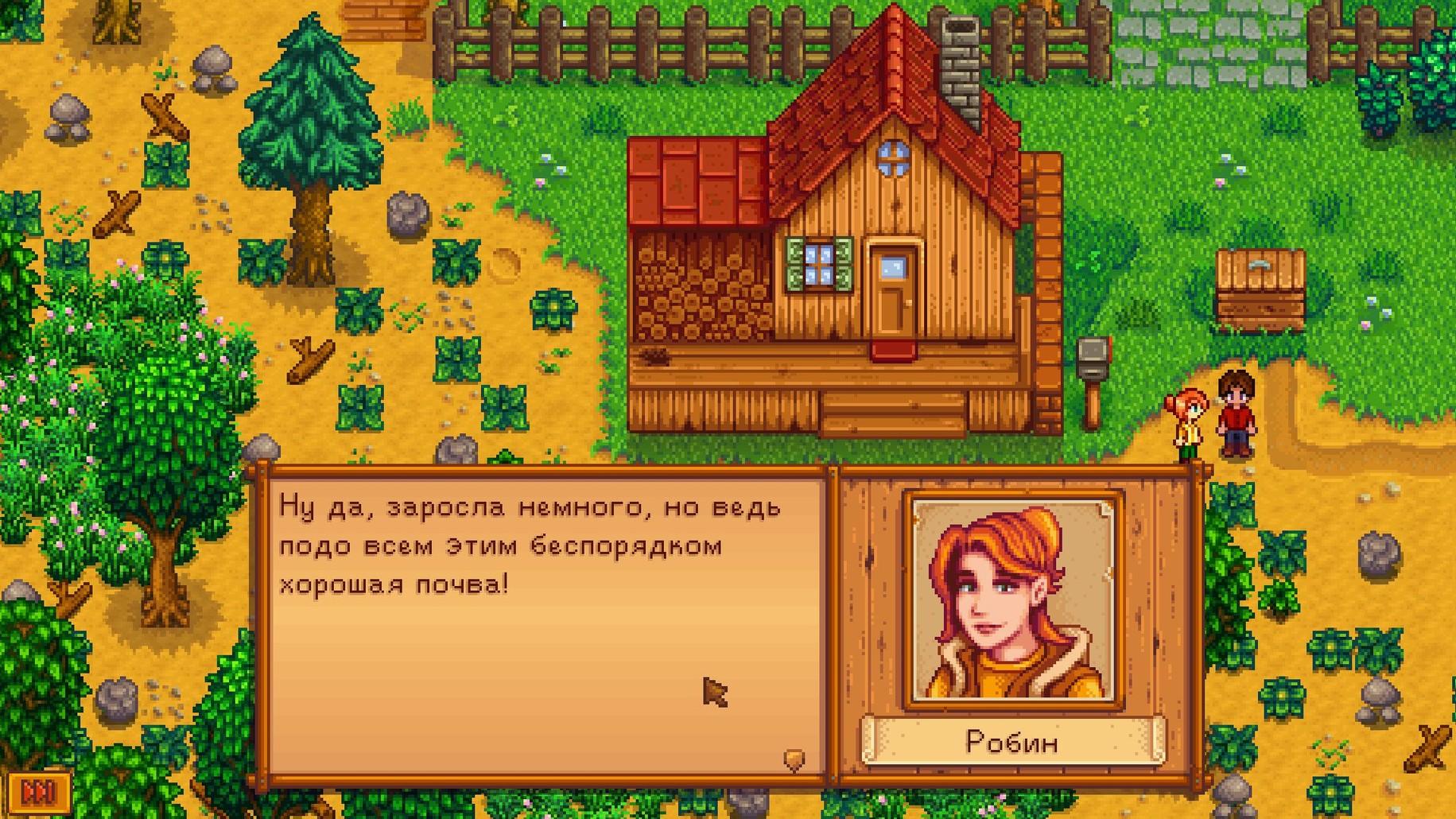
Stability across the 1.6.x releases has been a strong point. The crash fixes mentioned in the patch notes targeted specific edge cases: a rare freeze when entering the Skull Cavern on multiplayer, a desync when two players interacted with the same chest simultaneously, and a handful of localisation-triggered crashes in the Russian and Korean builds. In single-player, the game has been essentially crash-free for most players since the 1.5 era, and the 1.6 updates have not introduced regressions. Save files load quickly, even farms with hundreds of placed objects and fully decorated interiors, and the autosave at the end of each day completes in under a second.
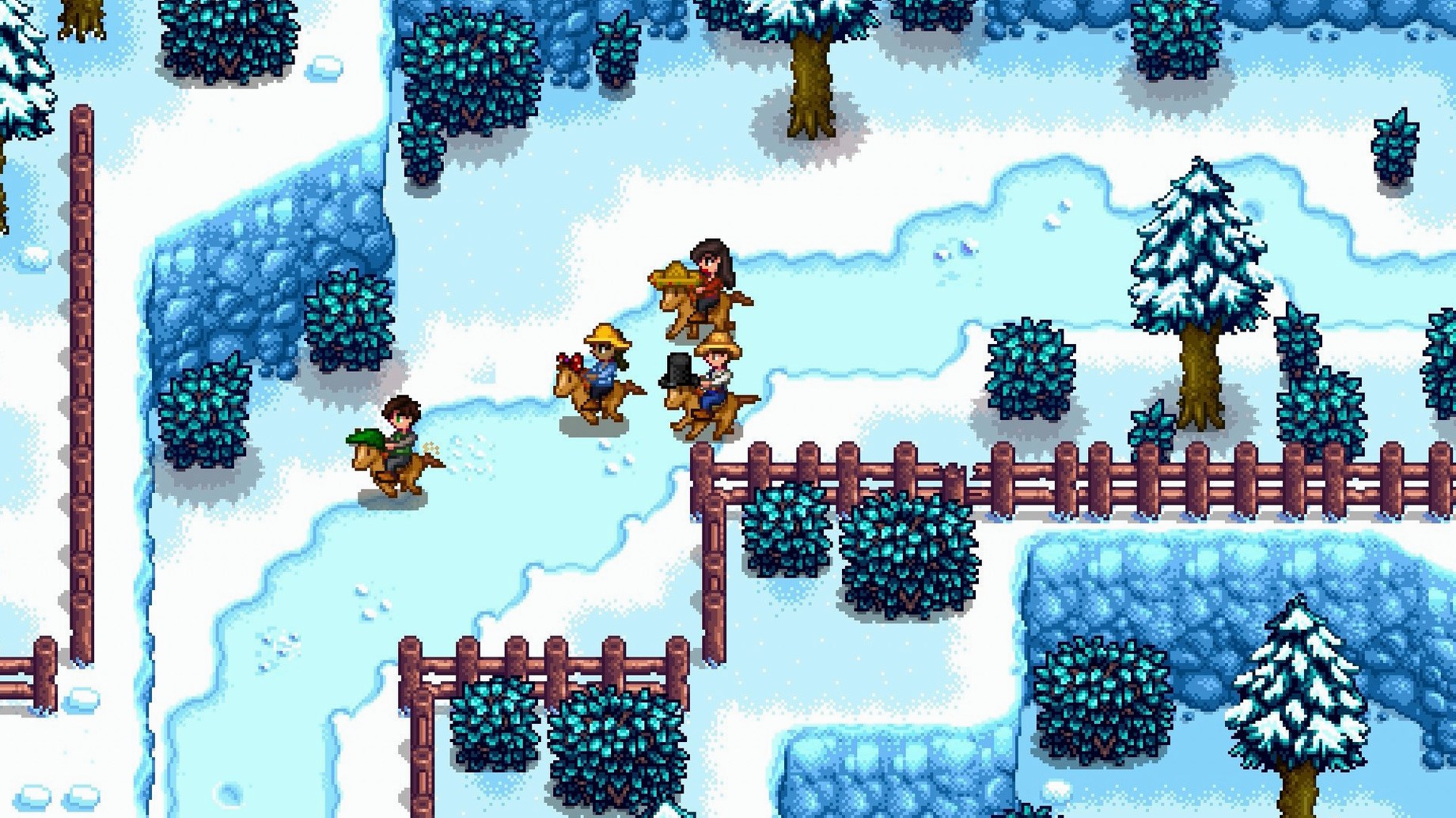
For anyone running the game on an Intel Mac from the 2017–2019 era, the performance optimisations are more noticeable. The game has always been playable on older hardware, but the edge-case stutters — entering the saloon on a Friday night when every villager is present, or riding a horse through a farm dense with grass starters — have been smoothed out. The frame pacing is consistent enough that the 60-fps cap feels natural, and the input latency on keyboard-and-mouse or controller is low enough that the fishing minigame never feels as though it is fighting the hardware. The valley runs as it should: unobtrusively, and without ever reminding you that it is running at all.








Correspondence 0
Take a chair or join the table to send a letter.
No correspondence on this note yet. Letters are read before they appear.