 LeCoqRoti
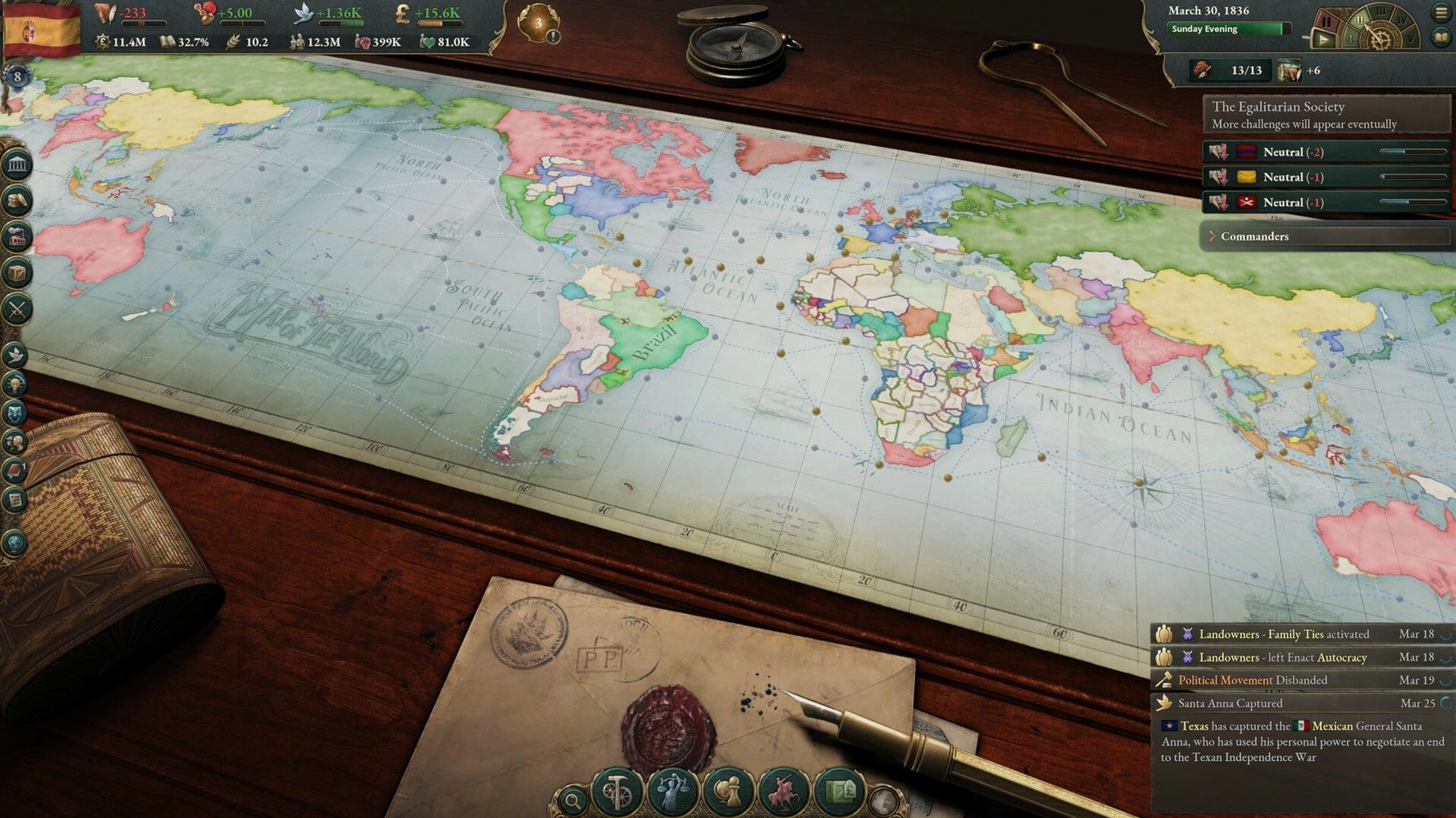
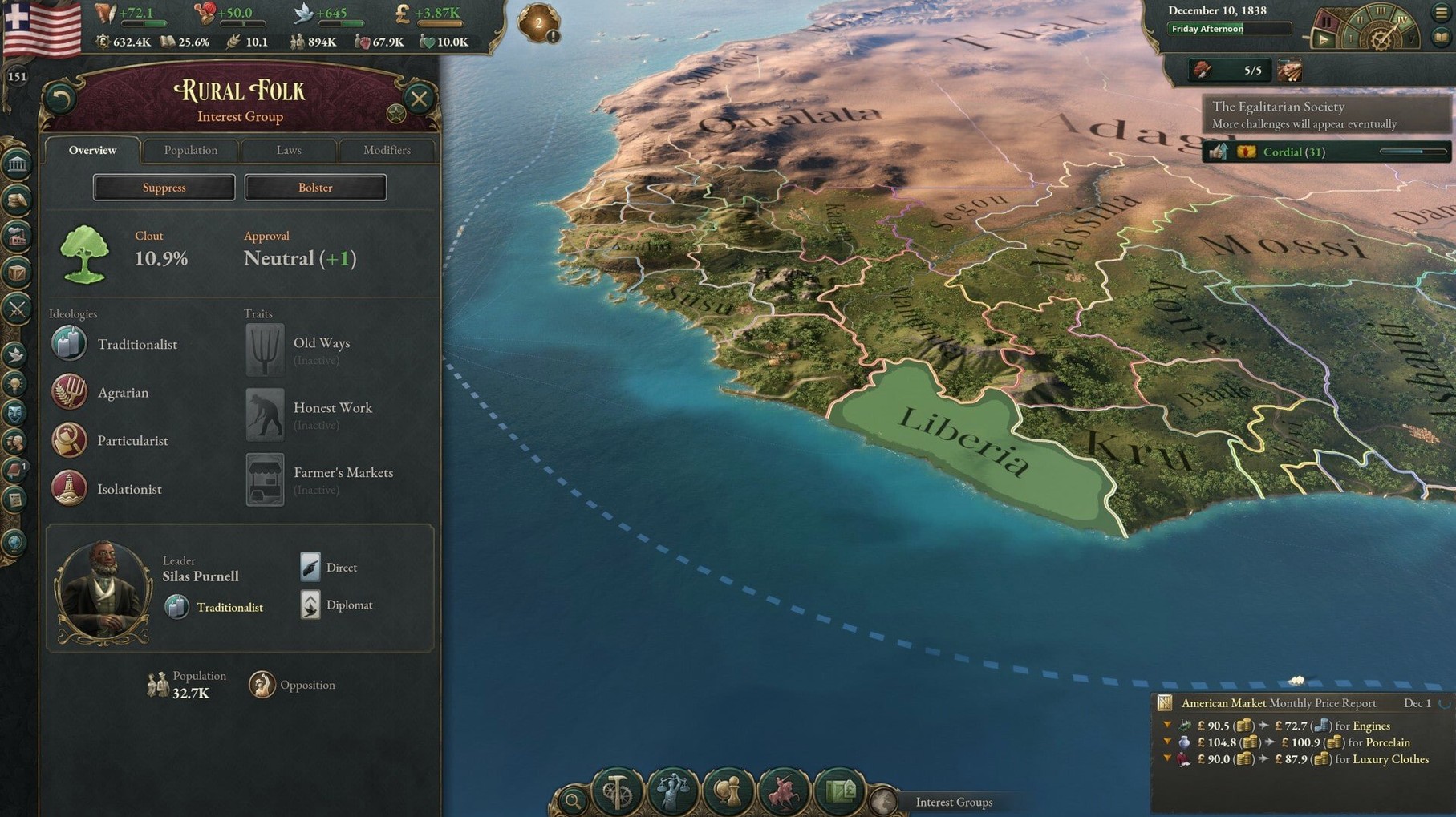
Anyone who has spent a quiet evening nudging sliders in a spreadsheet will recognise the deeper rhythm of Paradox games. Victoria 3 takes that affinity for numbers and turns it toward the 19th century: a hundred years of coal, steam, suffrage and imperial ambition, all rendered as interlocking systems on a world map.
- Adjust tax levels and trade routes while watching a textile mill in Lancashire edge closer to a labour shortage.
- Read a population group’s political demands and realise that raising tariffs to fund a new railway has just radicalised half the clergy.
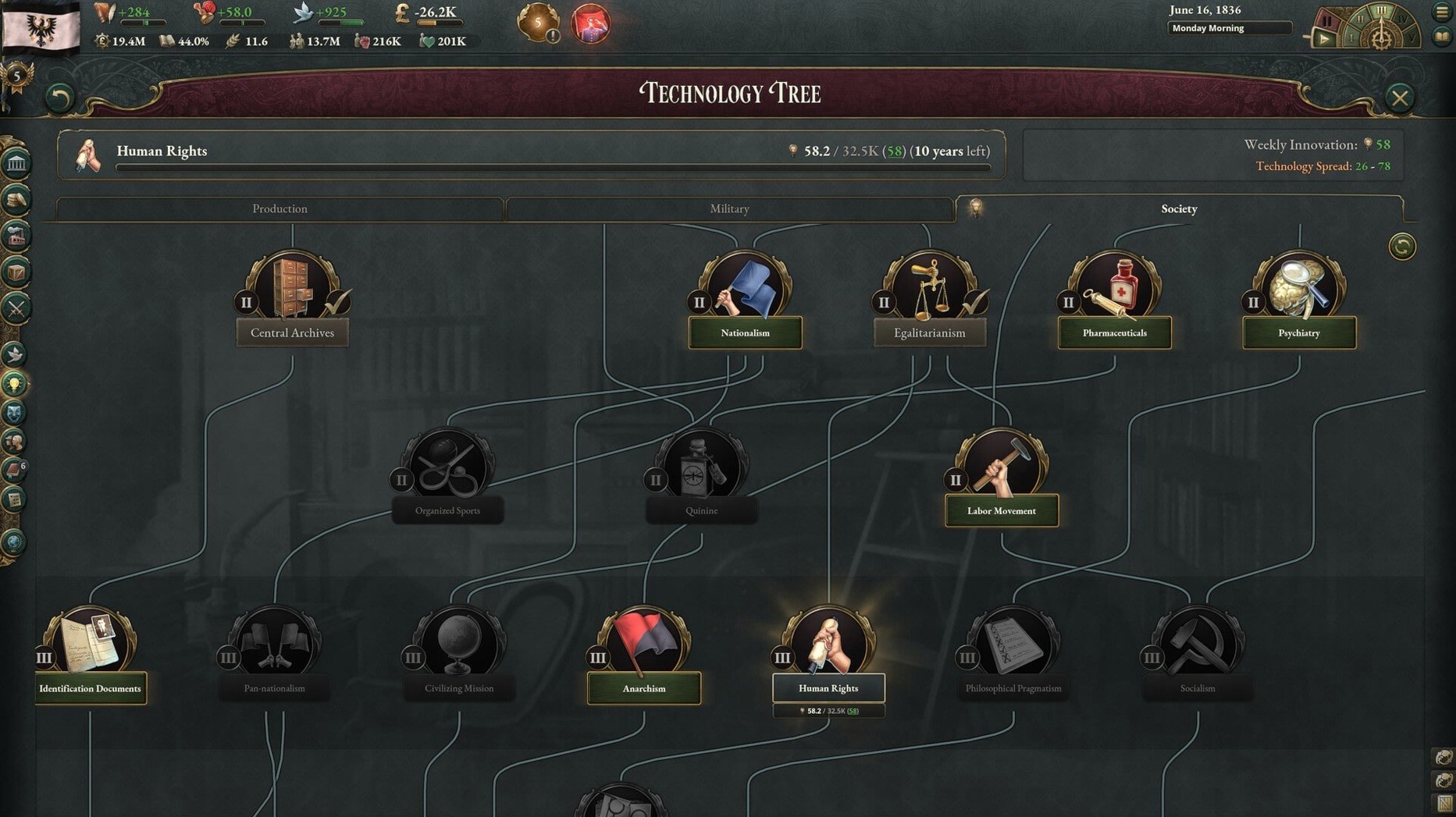
- Queue technologies like railways or dialectics, then wait as your paper mills struggle to keep universities supplied with the raw materials that speed research.
- Park a fleet outside a weaker neighbour’s port, then open a diplomatic play where military strength adds weight to a demand for treaty concessions.
- Expand a colony for rubber plantations, only to find the new territory tips your reputation into a level that makes other powers nervous enough to form a coalition.
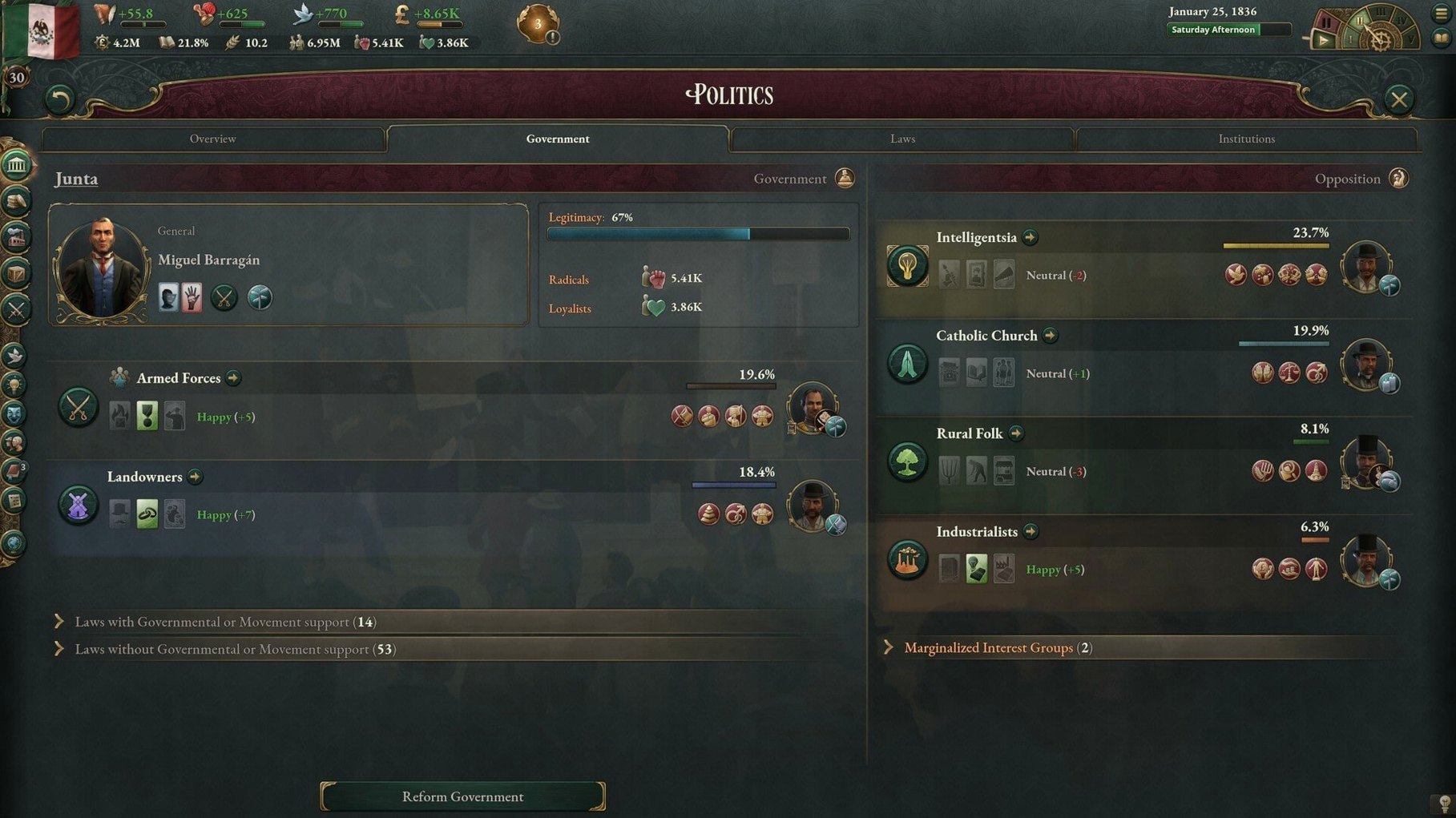
The map is a stage for pressure rather than pure spectacle. Most minutes are spent in menus and tooltips, tracing the link from an iron mine’s wage level to the throughput bonus in a steel mill, or comparing the clout of the industrialists in your government to the unrest simmering in the countryside. In short: a game built for the pleasure of seeing a small policy choice ripple through a society over decades.
Early days: three habits worth forming
The first forty-eight hours with Victoria 3 can feel like arriving in a city where you understand the street signs but not the customs. A few practical rhythms help the learning stick.
Begin with Sweden or Belgium. Both start with manageable populations, decent literacy, and a quiet enough diplomatic position that you can afford to experiment with production methods without immediately provoking a rival. Spend the first decade watching your construction sectors and the goods they consume: iron, wood, fabric, tools. The game teaches its economy through the queue. Every new building you add changes the price of those inputs, which in turn affects the income of the pops who produce them. Follow one good — say, iron — from mine to market to factory input, and the whole circular logic of the simulation starts to click.
A second habit: pause before every reform. Hover over the predicted effects on each interest group and note which ones will gain or lose political strength. A law that seems harmless, like switching from landed voting to wealth voting, can quietly shift clout away from the landowners and into the industrialists. That changes which laws become possible next. Many players rush reforms in the first session and then wonder why their government collapsed. Give each change a month to settle; the game runs on decades, not days.
The third habit is simply to read tooltips aloud in your head. Everything in the interface can be hovered over for a breakdown. The tooltip on a pop’s radicalism figure will tell you whether they are angry about taxes, discrimination, or a shortage of grain, and that chain of causality is the real game. Treat the tooltip as the primary text and the map as its illustration, not the other way round.
Your treasury is not a scoreboard
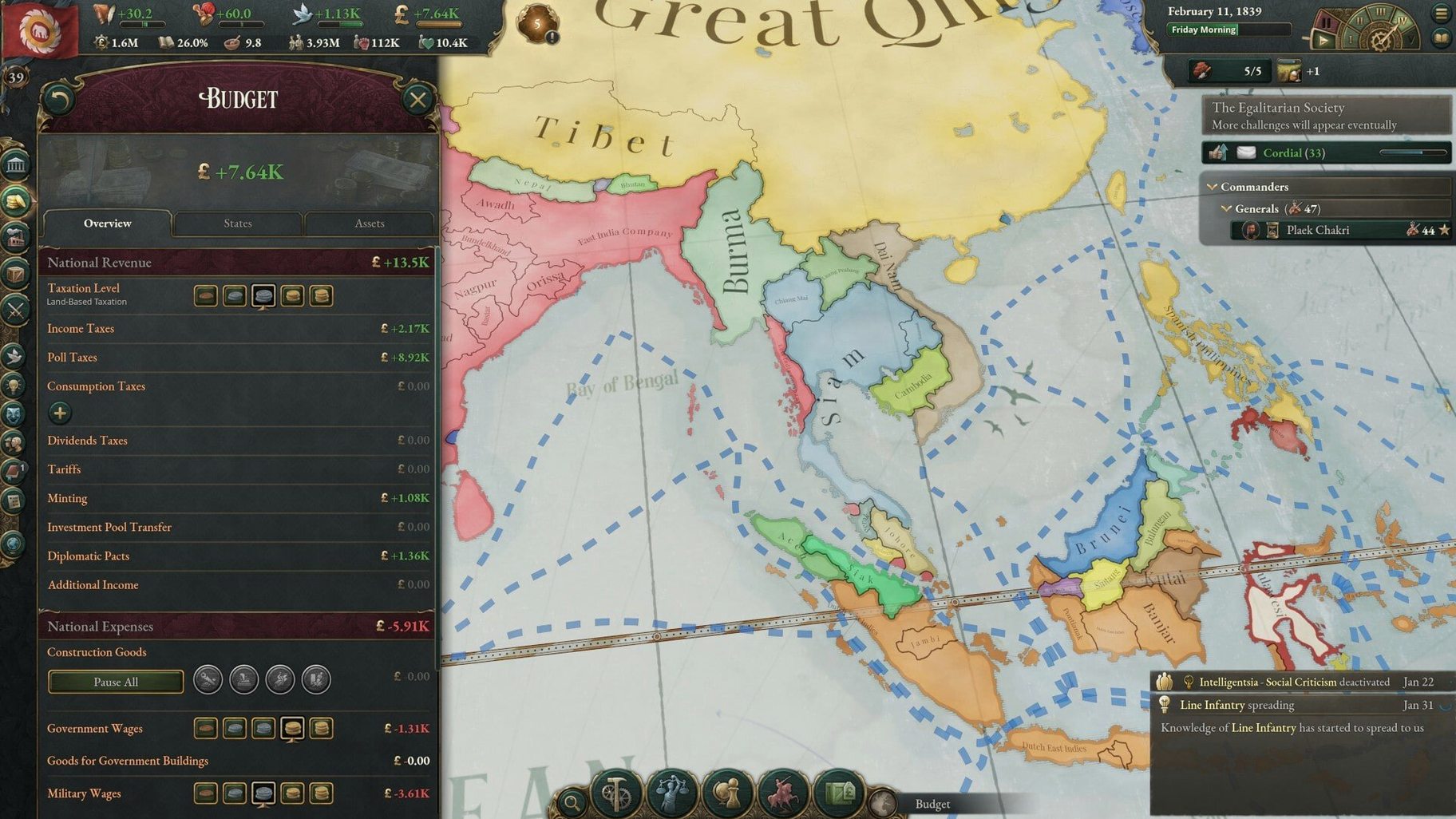
A mistake that surfaces often in early play is treating the treasury balance like a score. A surplus is pleasant, but gold sitting idle in the national reserves is doing nothing for your population. The point of revenue is to spend it on construction, institutions, and the military — things that grow the economy or protect it. A player who keeps taxes moderate and runs a small deficit while building iron mines is often in a stronger position than one who hoards a surplus while factories sit unbuilt. Debt is not failure here; it is a tool, provided you have the tax base to service it.
Another common misstep: ignoring qualifications. A factory needs not just workers but qualified workers — literate pops who can staff the higher production methods. Building a university in a state with low literacy will not instantly produce engineers; the children need to cycle through the education system over years. Players sometimes queue a dozen advanced industries in a region where nobody can read, then grow frustrated when the buildings never fully hire. Check the qualifications map mode before committing to a building programme.
Diplomatically, beginners often overestimate the value of a large standing army. Troops consume small arms and ammunition, which pulls resources away from industrialisation. A modest professional force, combined with a well-supplied conscription pool and the right allies, is usually enough for the first half-century. The real deterrent is not the number of regiments — it is the appearance of guns, steel, and railway capacity on your country’s stat sheet when a rival opens a diplomatic play.
War demands less clicking than you fear
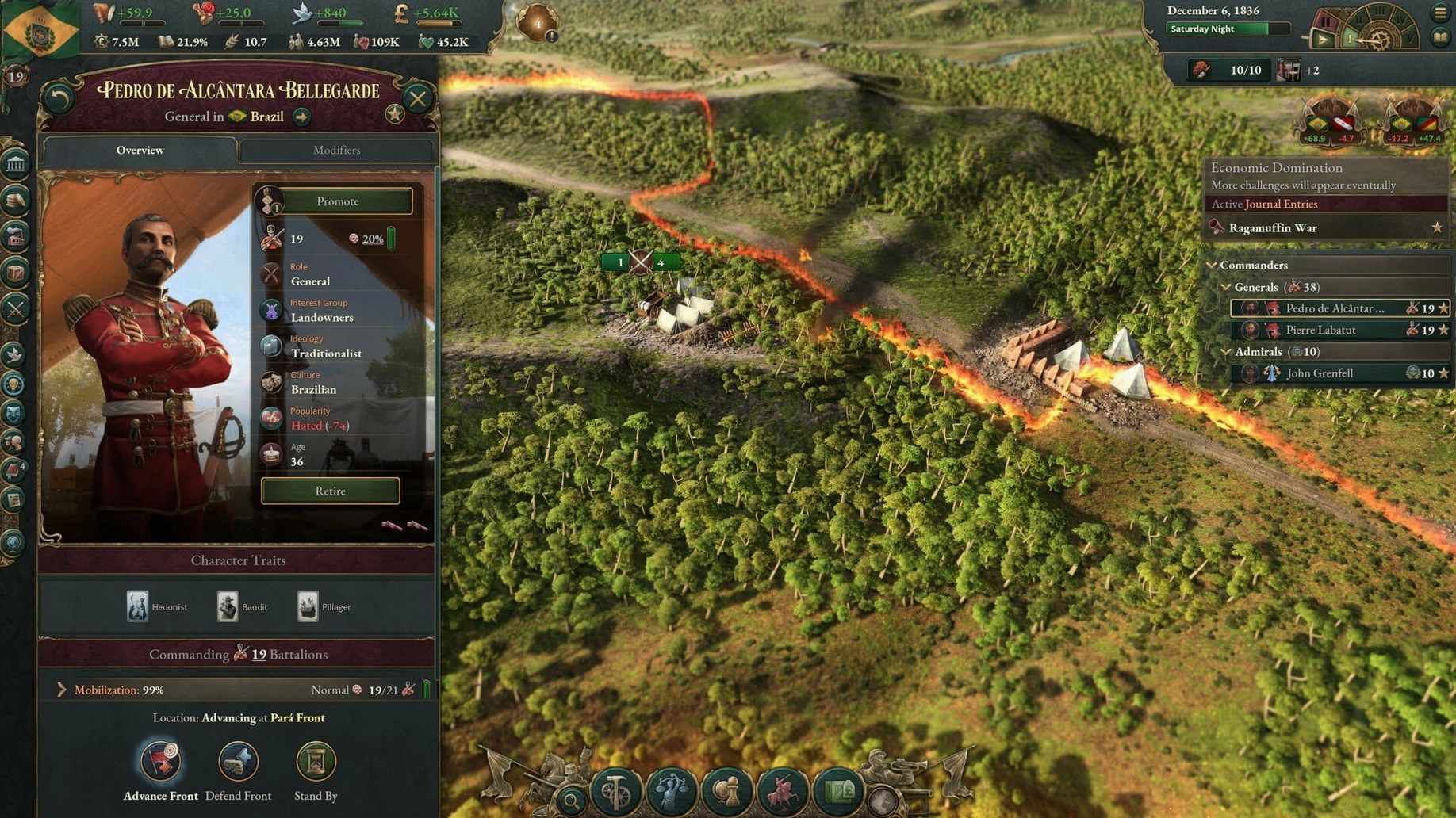
One question that recurs in conversation is whether Victoria demands the same intense military micromanagement as other grand strategy titles. The answer is no, in a way that feels deliberate. War is abstracted: you assign generals to fronts, set strategic objectives, and supply them with arms and transport. The outcome depends less on tactical brilliance and more on the industrial base behind the army — whether your steel mills can keep up with artillery demand, whether your railways can move troops faster than the enemy’s. People who come for the logistics and stay for the politics tend to find this a relief. Players whose primary joy is encirclement tactics on a hex grid may need to adjust their expectations.
Another frequent concern is whether a machine can handle the simulation late in the century, when population figures and trade routes balloon. Performance in the late game is noticeably heavier, as you might expect from a title tracking every pop’s wealth, literacy, and political opinion across dozens of nations. The build tested on Apple Silicon handles the mid-century smoothly, and the slowdown that arrives after 1900 is a gentle one — more like wading than hitting a wall. Reducing the map’s visual effects and limiting the autosave frequency helps on older Intel machines, though the experience remains comfortable on any recently manufactured Mac.
People also ask about language support, since the interface is the primary way you interact with the game. Eleven interface languages are included, from Russian and Simplified Chinese to Polish and French, so the tooltips and menus that carry the game’s dense information are likely available in a language you read fluently. The audio remains instrumental — there is no voice acting to localise, just a score that accompanies the century’s turning points.
Sway offers no longer lock your diplomacy
The hotfix numbered 1.13.11 is small in its written notes but touches three areas that a regular player might feel in a session. The most practical fix concerns diplomatic plays. Previously, if you had pending sway offers — those last-minute promises meant to pull a neutral power to your side — the game could crash at the turn of the month. A crash during a tense diplomatic countdown has a particular sting, because you lose the rhythm of escalation. With that fixed, the negotiation phase closes cleanly, and you can return to watching the crisis meter tick up.
The adjustment to Banana Plantation output values is the kind of change that reshapes a trade route without fanfare. Bananas are a luxury good consumed by pops with a taste for fruit and enough income to buy it. A shift in plantation output changes the profitability of plantations, which ripples into the wages of labourers in tropical regions and the price of fruit in temperate markets. If you play a colonial power or a South American nation, you may notice the trade screen offering slightly different incentives than before.
The event outcome tweak for “A Doctrine of Iron and Steel” alters the political options available when that event fires. It is a small narrative fork, but Victoria’s events are not just flavour — they shift interest group approval, and a single percentage point of clout can be the difference between a law passing or stalling. A player who sees the event now may find the available choices weighted a little differently, which in turn nudges the political landscape of a particular playthrough.
In short: the build is stable, the diplomatic crash that interrupted careful negotiations is gone, and the economic dials have been turned a fraction in ways that reward attention to trade goods and political events.








Correspondence 0
Take a chair or join the table to send a letter.
No correspondence on this note yet. Letters are read before they appear.