 LeCoqRoti
Compatibility: runs on current and recent macOS
Jump Desktop requires macOS 11 or later and runs natively on both Intel and Apple Silicon machines. The interface feels crisp on a Retina display, with no visible lag in menu drawing or window scaling when hopping between hosts.
Keyboard: remap for muscle memory
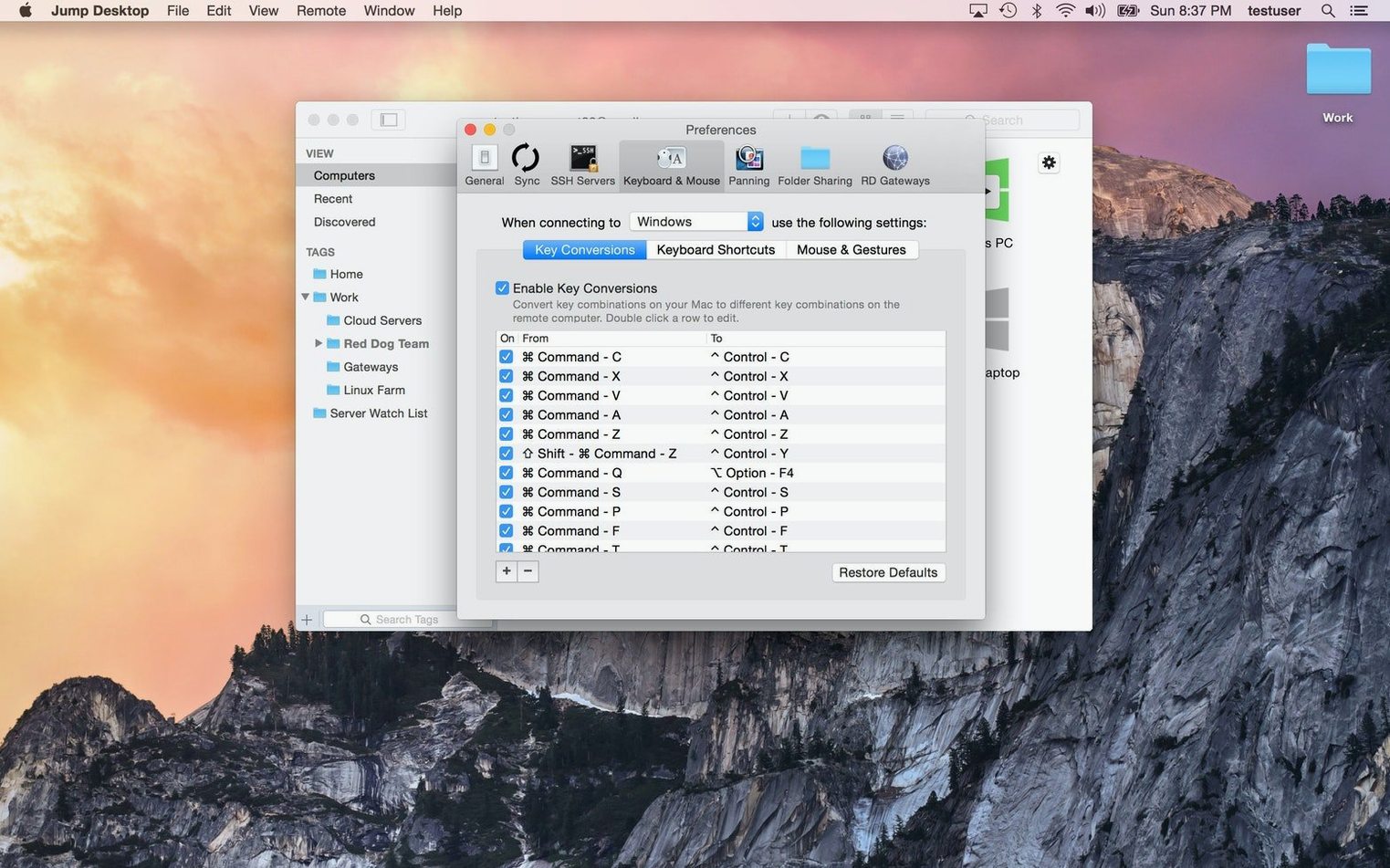
An overlooked panel lets you reassign modifier keys per connection. If you regularly switch between a Windows PC and a Mac, you can map the Windows key to Command so your shortcuts stay consistent across machines.
File flow: push and pull data mid-session
Beyond screen sharing, the client can move files between your local Mac and the remote computer without opening a separate transfer tool. Drag a folder onto the session window and it lands on the remote desktop, ready to use.
Workflow: accessing a home Mac from a café
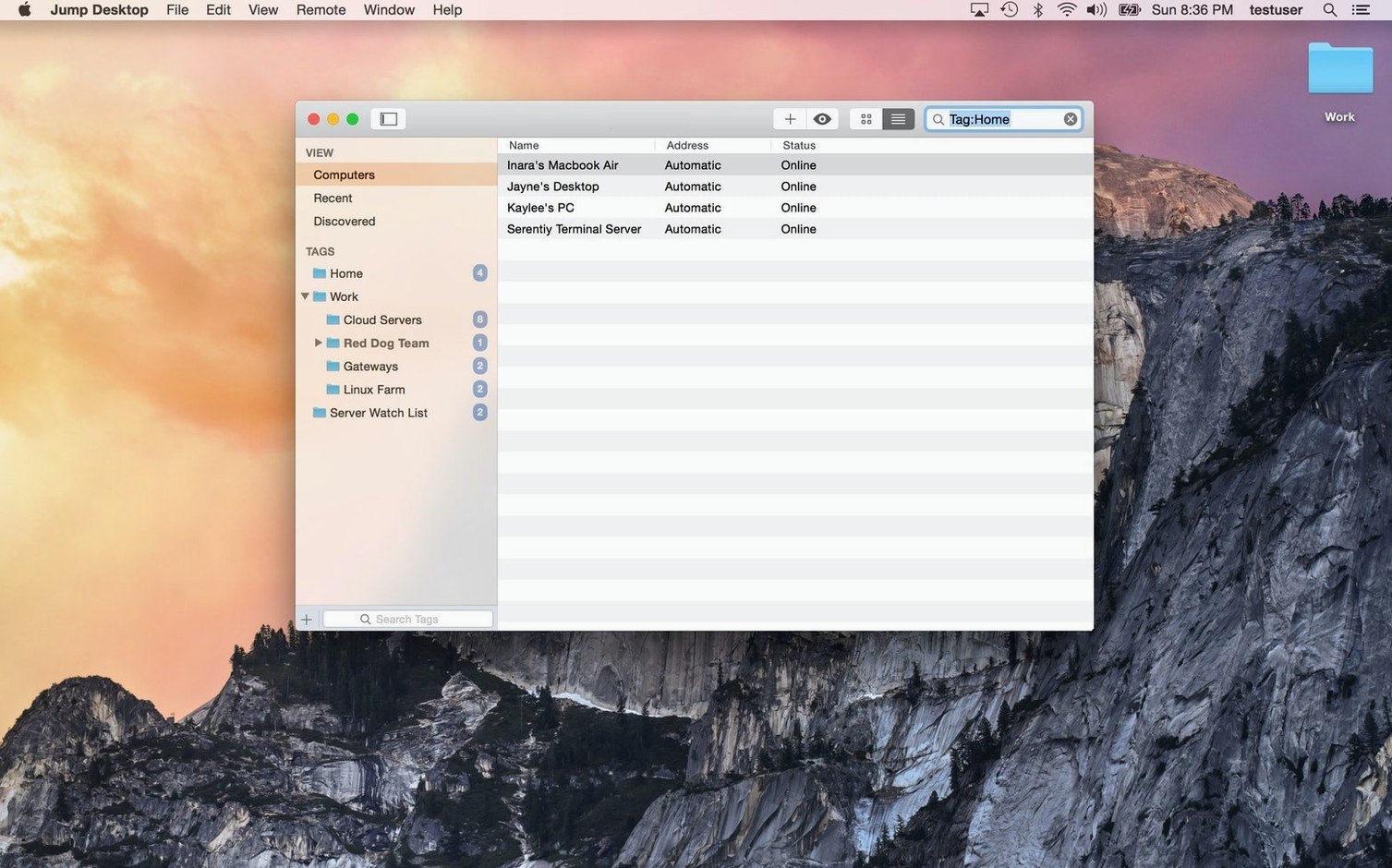
Imagine you are editing a layout in Affinity Publisher on your iMac at home, but you need to check a detail while working from a laptop in Ikebukuro. The process, once set up, takes under thirty seconds. Begin by confirming that Jump Desktop Connect is running on the home iMac: its menu bar icon should be solid, not greyed out. On the laptop, open Jump Desktop and locate the iMac in the sidebar. The entry appears automatically because Connect pairs the machines through your account, no IP address needed.
Double-click the entry. The session opens in a window that defaults to the full resolution of the remote display — crisp, but often too large for a 13-inch screen. Pinch to zoom out until the workspace fits comfortably. Now launch Affinity Publisher on the remote machine. The local trackpad scrolls and right-clicks as expected; if you use a three-finger drag to move objects, that gesture passes through unchanged because Jump Desktop forwards multitouch input when the remote Mac supports it. Make your edits, save the file, then drag the updated document from the remote desktop directly onto a local Finder window. The transfer happens through the session, so it is encrypted and requires no extra step. Close the session with Command-W, not by quitting the app, to leave Connect running for the next check.
Settings: four adjustments to change before your first real session
The defaults are sensible, but a few early tweaks make the application feel more like a native window and less like a remote viewer.
- Display quality: under the connection settings for each host, switch from "Automatic" to "Best quality" when working on a local network. The bandwidth cost is negligible over Wi‑Fi at home, and text rendering improves noticeably.
- Clipboard sharing: it is on by default, but the direction can be restricted. If you only want to paste into the remote machine and never copy out, set it to "Local to remote only". This prevents accidentally pulling sensitive clipboard content back to a shared café connection.
- Sound forwarding: off by default. Enable it when you need to hear alert tones from a remote accounting application; leave it off otherwise, as it adds a small latency burden.
- Shortcut forwarding: the global preference "Send macOS shortcuts to remote Mac" determines whether Command-Tab switches apps locally or on the remote desktop. Most people prefer it off, so the local switcher behaves normally, and they use a remapped key combination for the remote side.
Mistakes: three things beginners get wrong
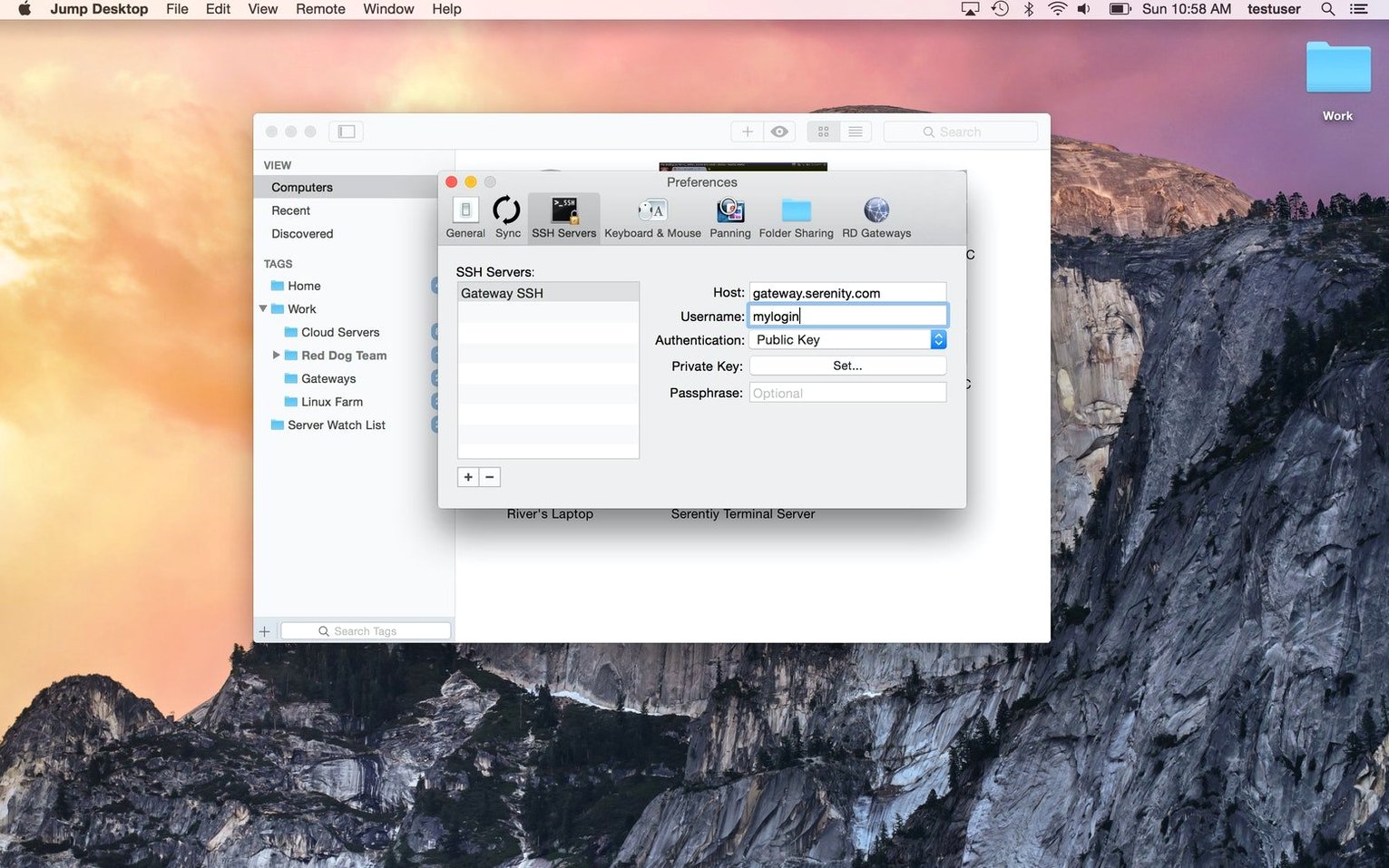
The first mistake is installing only the client and assuming the remote machine is reachable. Jump Desktop itself does not make a computer accessible over the internet: the companion app, Jump Desktop Connect, must be installed and signed in on the host. Without it, you can still connect manually over a local network via VNC or RDP, but automatic remote access will not work.
The second is confusing screen sharing with file synchronisation. Dragging a file into the session window copies it once, in one direction. It does not create a synced folder. A designer who drops a working folder onto the remote desktop, edits files there, and forgets to pull the changes back will end up with two divergent copies.
The third concerns display scaling on high-resolution hosts. When connecting to a 5K iMac from a MacBook Air, the remote screen may appear tiny at its native resolution. Beginners sometimes change the remote display resolution in System Preferences, which disrupts window layouts on the host. The correct approach is to adjust the zoom level in Jump Desktop's View menu or use the pinch gesture, leaving the host resolution untouched.
Fluid Retina scaling: sharper than the native resolution
Does the remote Mac need to stay awake?
Yes. If the host Mac enters sleep, the connection drops. Most users set Energy Saver preferences to prevent automatic sleeping while the display is off, or they run a small utility that keeps the machine awake during the hours they expect to connect. Wake-on-LAN is supported for local network connections, but it requires the remote machine to be in sleep rather than shut down, and it will not work over the internet without additional router configuration.
Client vs. Connect: two pieces, one seamless link
The client is the viewer application you launch on your local machine to see and control remote desktops. Jump Desktop Connect is a lightweight service installed on the computer you want to reach. It handles authentication, NAT traversal, and connection brokering so you do not have to configure firewalls or remember IP addresses. Both are required for the automatic setup flow; the client alone works only for direct manual connections.
Can I connect to a Windows PC from my Mac?
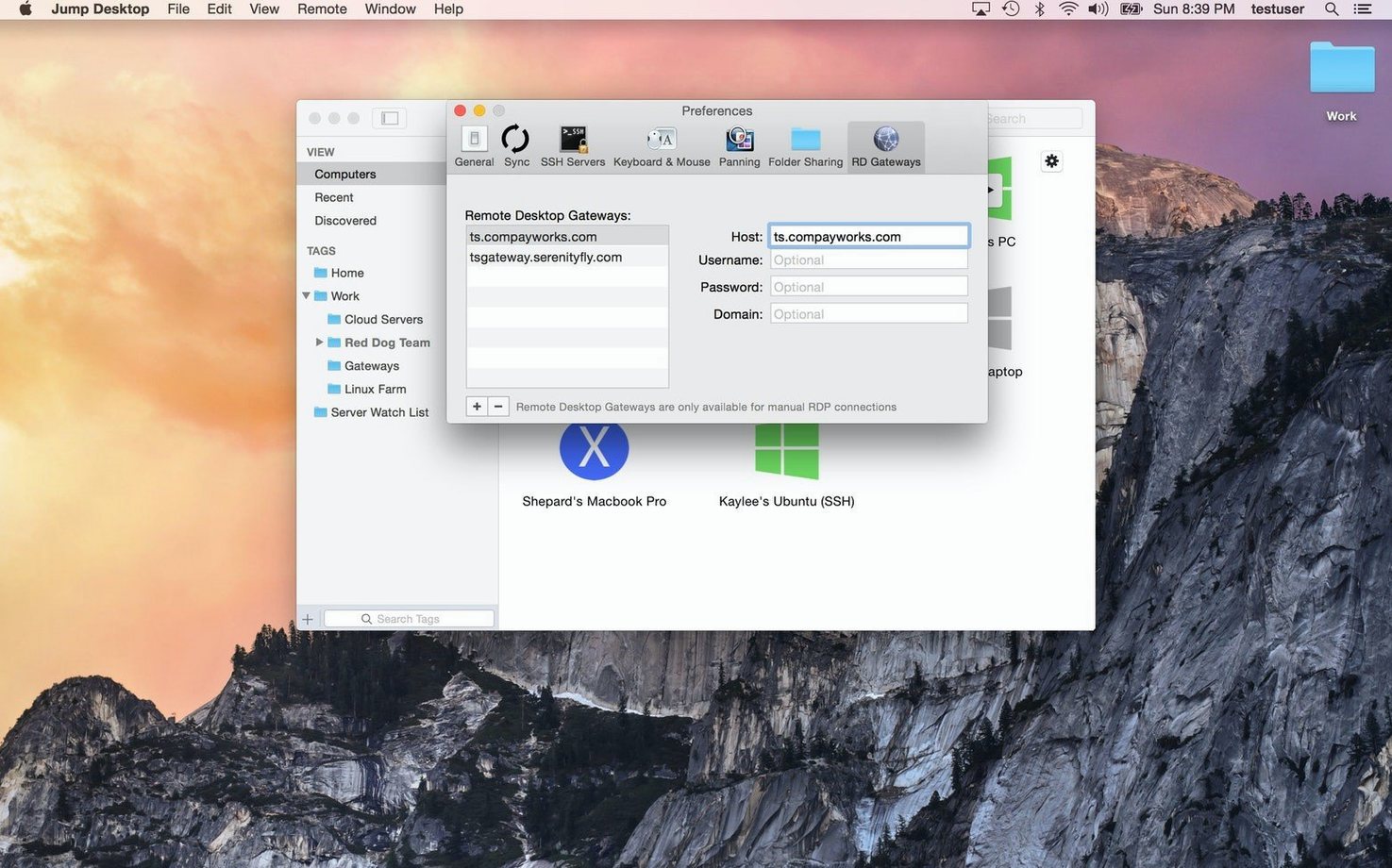
Absolutely. Jump Desktop speaks RDP natively, so a Windows machine with Remote Desktop enabled appears just like a Mac host in the sidebar if Connect is installed there too. Keyboard remapping becomes especially useful in this scenario: the Mac Command key can send the Windows key, and you can define a custom mapping for Print Screen or Alt combinations that have no direct Mac equivalent.
Is the connection encrypted between machines?
Connections routed through Jump Desktop Connect use TLS encryption end to end. Direct VNC and RDP connections rely on the security built into those protocols. When using Connect, traffic is not relayed through an intermediate server that can inspect the session data; the service facilitates the handshake and then steps aside where possible, which is worth knowing if the remote machine handles client work under an NDA.






Correspondence 0
Take a chair or join the table to send a letter.
No correspondence on this note yet. Letters are read before they appear.