 LeCoqRoti


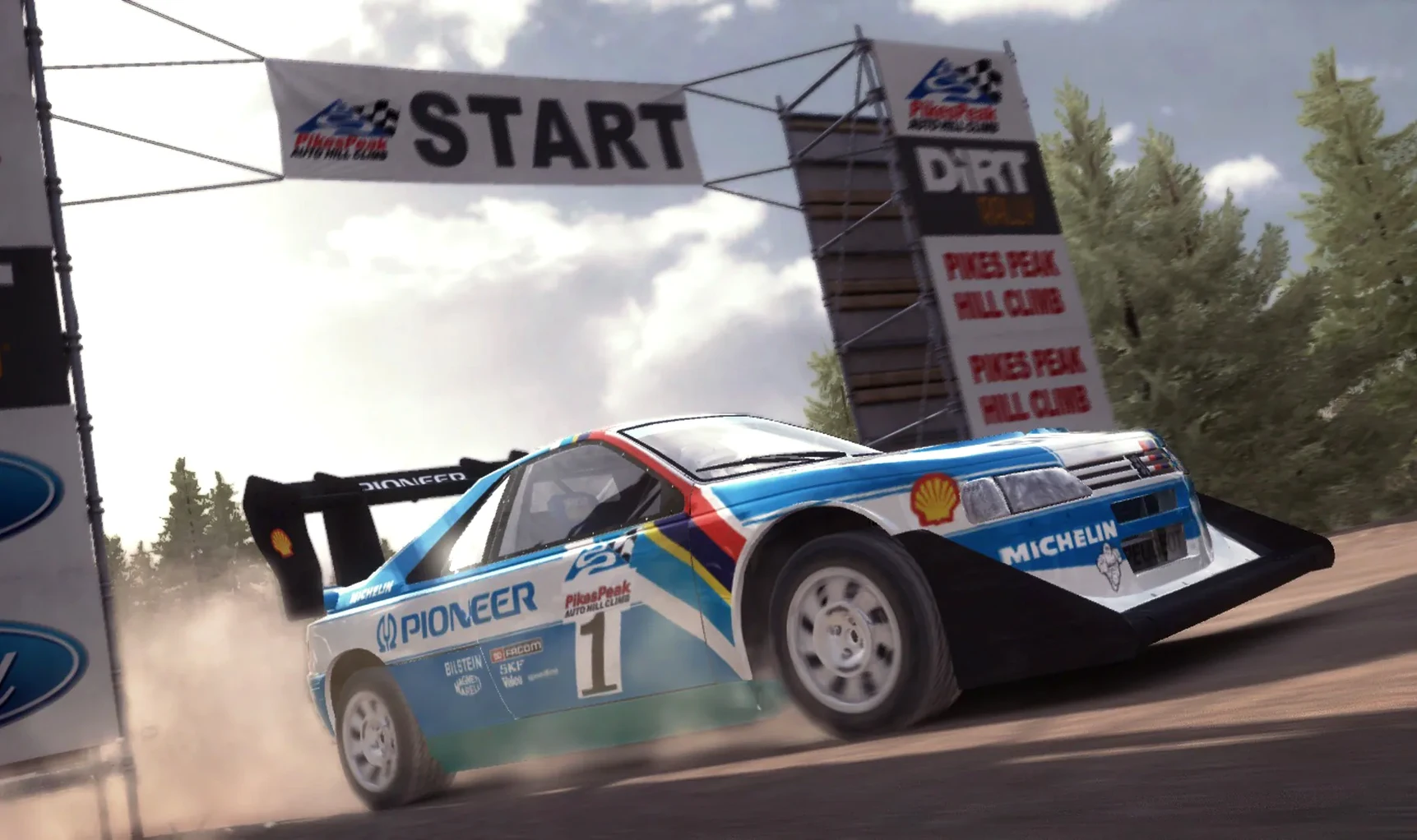
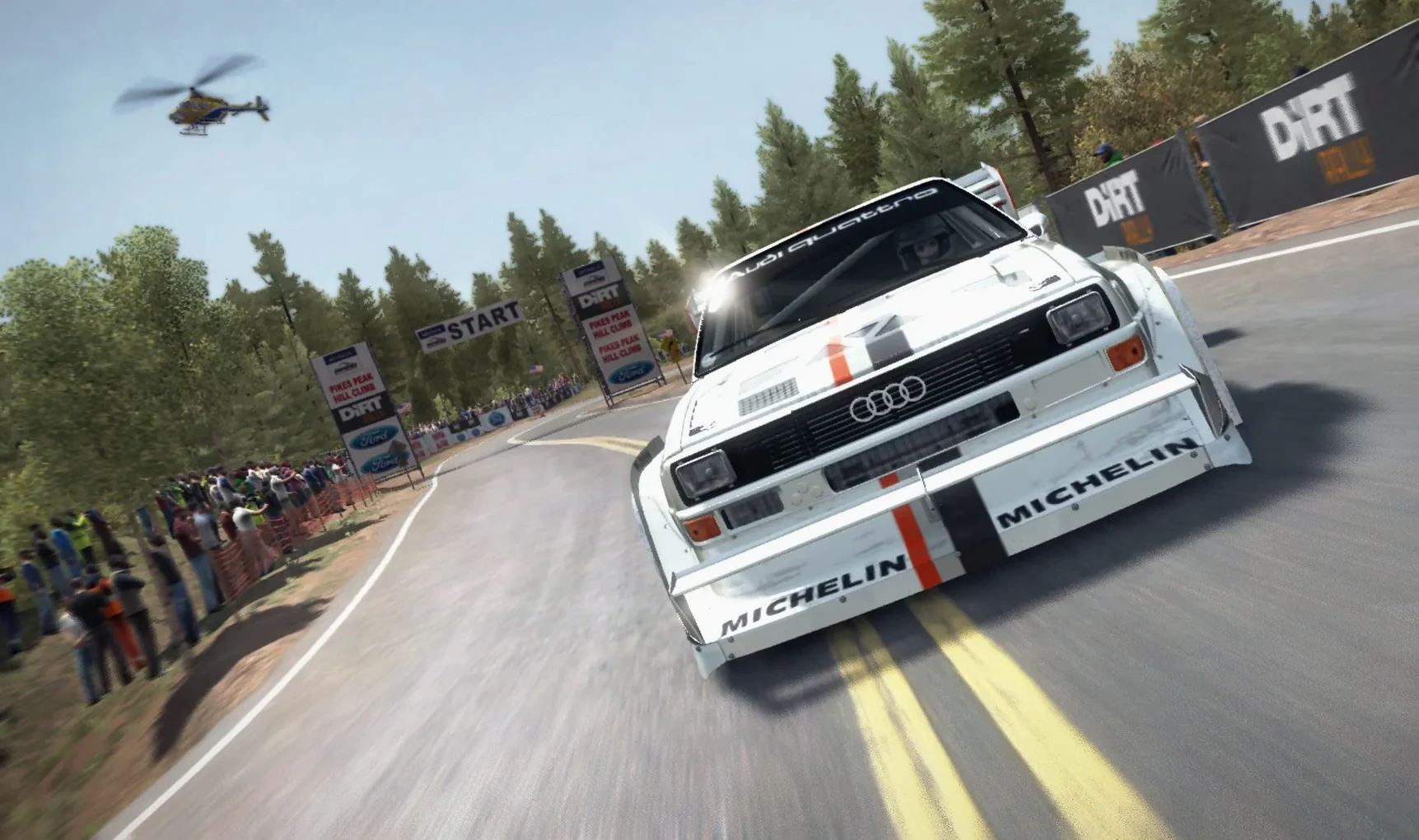
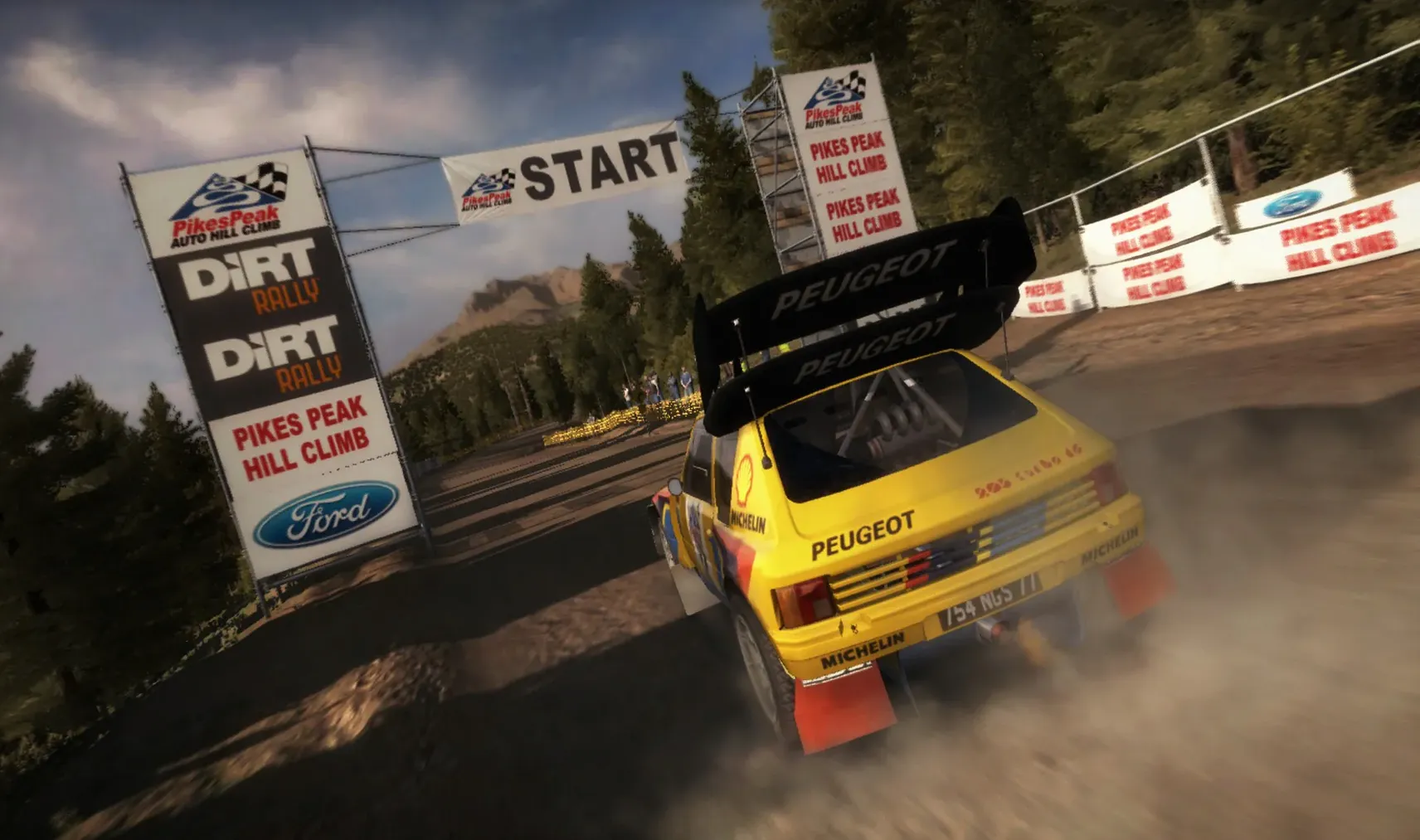
Pacenotes call out the next blind crest over gravel-spattered speakers. DiRT Rally strips racing back to a single demanding loop: listen, steer, survive. This is not a collection of motorsport disciplines: it is a deep, often punishing rally simulation where the stage and the co-driver’s rhythm matter more than a podium finish.
Car roster: what can you drive?
More than 40 rally cars fill the garage, spanning historic rear-wheel-drive machines through to modern four-wheel-drive competition cars. Each era demands a different throttle discipline, and the car you choose shapes how a stage unfolds far more than the weather does.
Stages and locations: where does the racing happen?
Six distinct rallies offer over 70 stages across gravel, mud, tarmac and ice. Hillclimb courses add a specialist sprint discipline. Custom events let you pair any car with any track, so a snow stage can meet a lightweight kit car if that is your particular idea of pleasure.
Behind the wheel: what systems support a campaign?
Car repair and tuning sit between stages: you manage damaged components while hiring engineers and tracking their development. Team management links mechanical decisions to career progression, and daily, weekly and monthly online competitions place your split times against others without the noise of on-track traffic.
Common beginner mistakes: what to unlearn first
Most newcomers treat the throttle like an on-off switch and wonder why the car swaps ends before the first split. DiRT Rally punishes impatience with physics that remember every rushed input. A heavy right foot on gravel does not produce speed: it produces wheelspin, heat, and a trip into the Finnish treeline. Brake before the corner, not in it, and learn to steer with weight transfer rather than the wheel alone.
Another recurring error is ignoring the co-driver. His calls are not atmosphere. When he says "caution, jump into immediate left three," the sequence matters more than any racing line you can see. Listen to the numbers—they grade corner severity—and trust them over your eyes in low-visibility sections. Finally, do not skip the repair intervals between stages. Radiator damage that seems minor on the service screen becomes a retirement three kilometres into the next forest.
A stage from start to finish: Wales in a Group A Impreza
Let me walk through a typical wet gravel stage in Wales, using the mid-1990s Subaru Impreza. The surface is damp, the ruts are deep, and the light is flat.
Tyre choice: before the stage, soft compound gravel tyres go on all four corners. A spare wheel is carried. The forecast is dry later, but the shaded sections will not clear for hours.
Launch: hold the revs around 5,000 rpm with a dab of clutch, feed the power as the wheels bite. The first hundred metres are a straight climb; the co-driver calls "left four over crest." Brake lightly while the car is still straight, shift down to third, and let the crest settle the nose before turning in.
Mid-stage rhythm: the Impreza’s active differential pulls it through tightening sequences without lifting. I treat the pacenotes as a metronome. "Right six into left three don't cut" means a gentle right followed by a slow left where the inside bank hides a rock. No cutting, no heroics. Half-throttle through the exit keeps the turbo spooled without breaking traction.
Finish: the final sector is a fast downhill into a water splash. Brake early for the preceding right two, accelerate through the water with the wheel straight, and cross the timing beam in fourth gear. The clock tells the truth: smooth is quick.








Correspondence 0
Take a chair or join the table to send a letter.
No correspondence on this note yet. Letters are read before they appear.