 LeCoqRoti


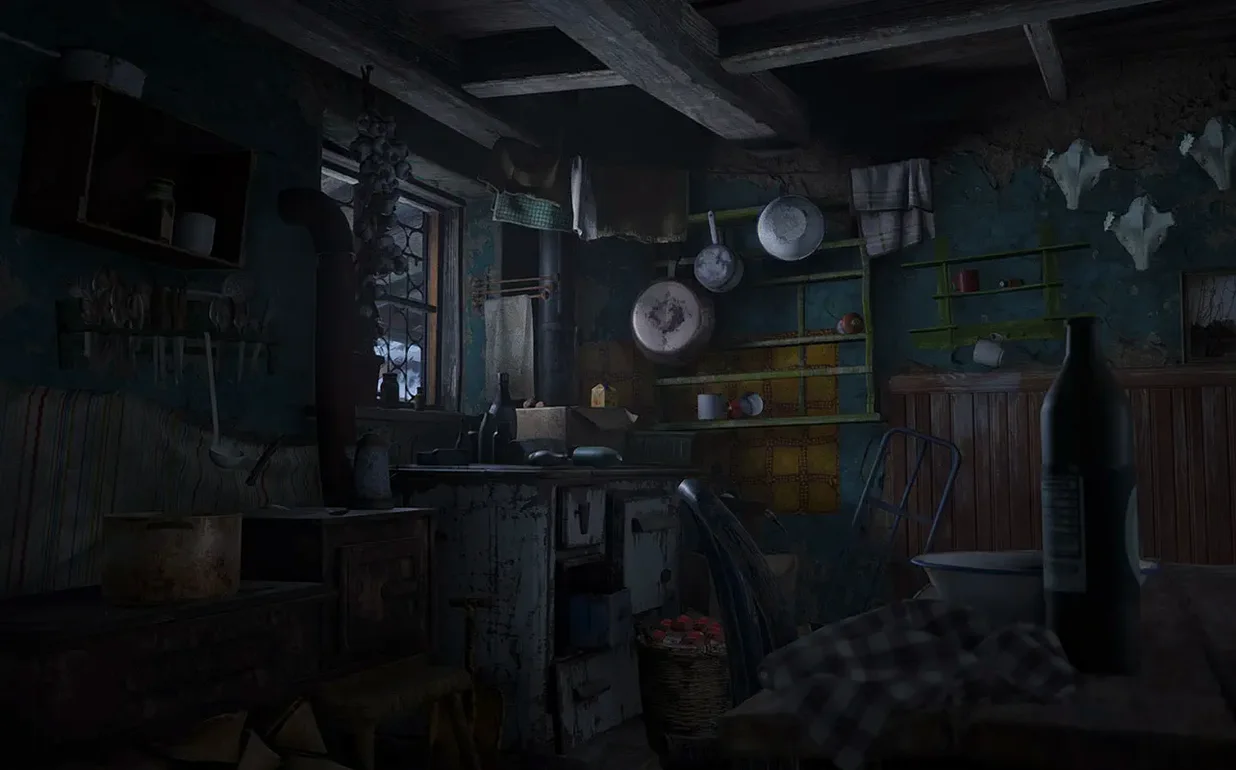
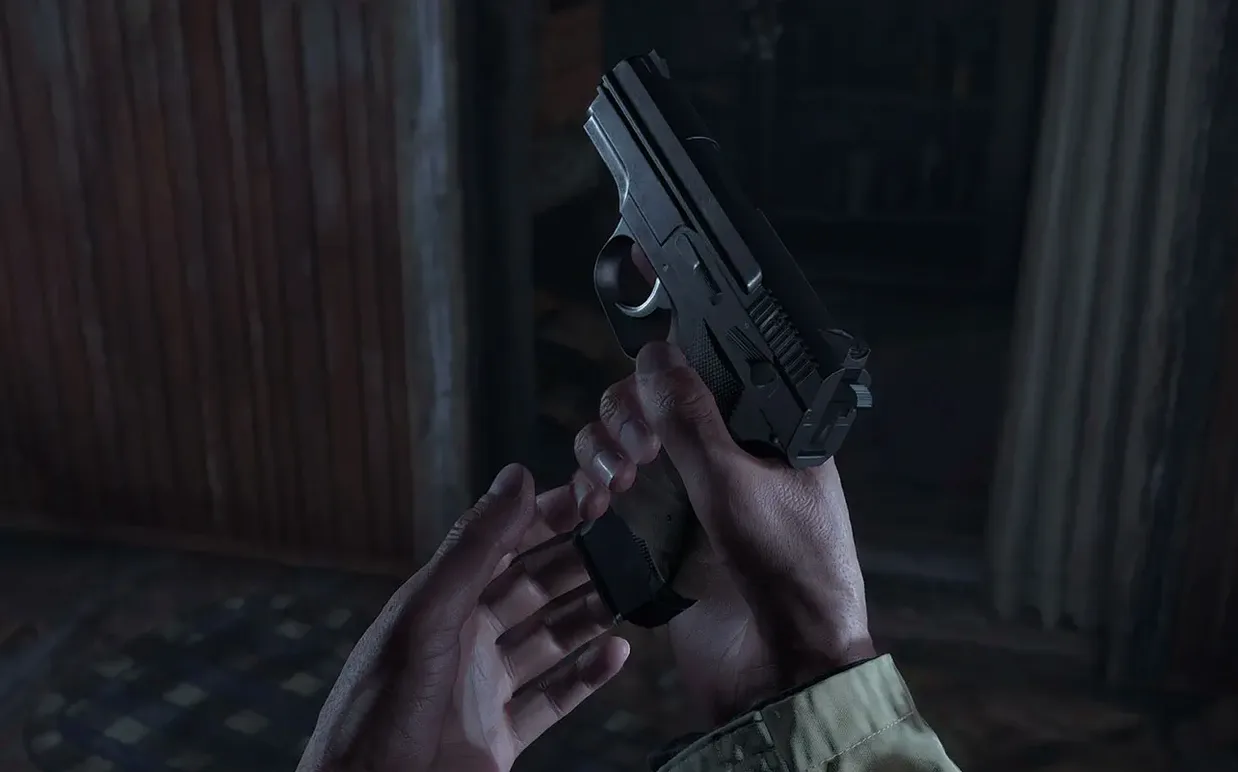


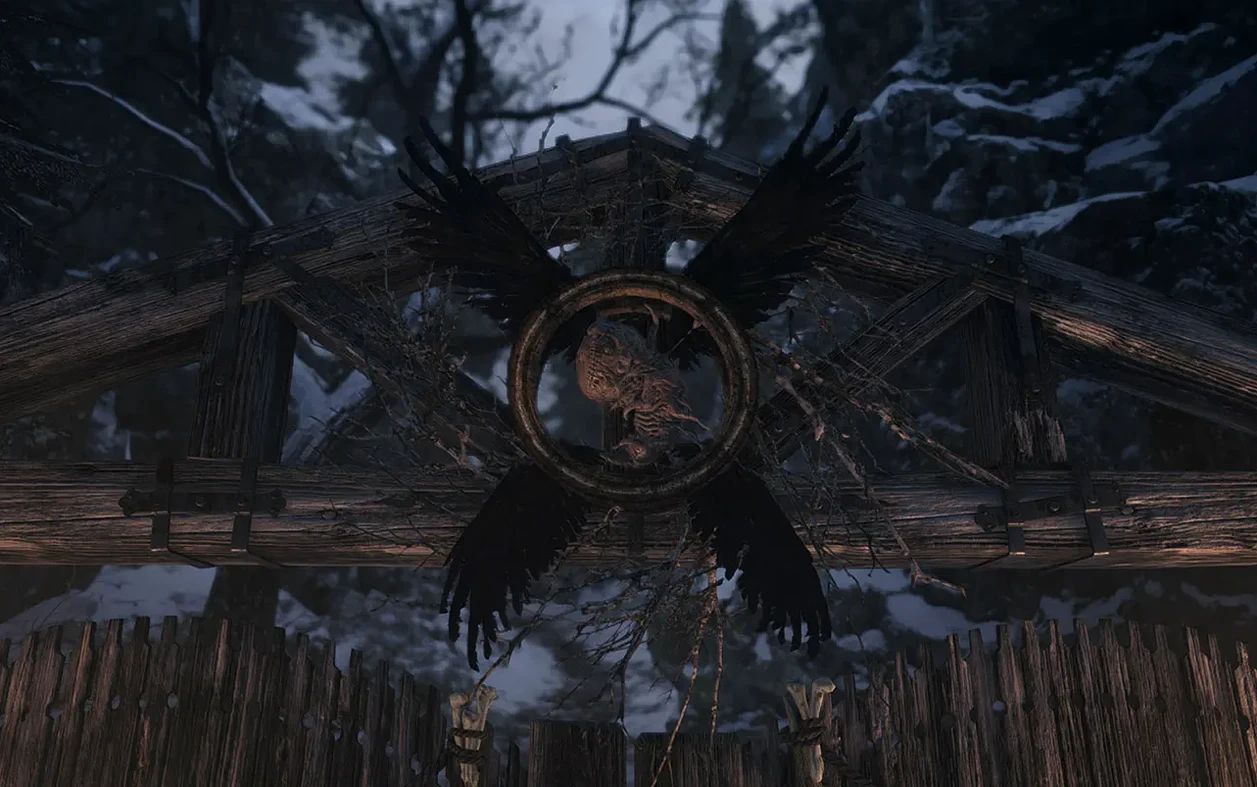

Night has fallen on the village and a distant howl cuts through the silence. You move carefully between snow-covered cottages, a flashlight in one hand, the other resting on a handgun with too few rounds left. On an Apple silicon Mac, the world of Resident Evil Village arrives with a density of atmosphere that feels immediate — every creak and shadow landing with intent.
Contents: what the Mac version delivers
- The full eighth major entry in the Resident Evil series, played from a first-person perspective
- Ethan Winters's story, continuing directly from Resident Evil 7 biohazard
- A remote, snowbound village populated by new enemies and familiar faces, including Chris Redfield
- Support for Apple silicon Macs only, with controller play available
- Interface in thirteen languages: English, French, Japanese, Russian, German, Arabic, Spanish, Italian, Traditional and Simplified Chinese, Korean, Portuguese, and Thai
Atmosphere: a village built on dread
Capcom constructs the village as a hub that branches into distinct domains — a castle, a reservoir, a factory — each governed by a different kind of horror. The first-person view pulls you closer to the action than the series' earlier fixed cameras, making the resource management and combat feel personal. On a Mac with Apple silicon, the presentation holds its nerve: lighting falls through broken shutters and Lycans move with unsettling speed. In short: a concentrated dose of survival horror, native on the Mac.
First days: three settings to adjust before you play
Out of the box, the default camera acceleration can feel slightly loose on a mouse — a quick visit to the Controls tab sorts this. I suggest lowering the camera acceleration to about a third of the slider, then setting the field-of-view slider to 85 or 90; the default is narrower than many Mac players expect. The audio mix also benefits from a small tweak: drop the music volume by two notches and keep voice and effects at full, which keeps dialogue clear during chaotic encounters without losing the score's menace.
If you are playing with a controller, switch the button prompts to match your device in the Display settings. The game detects DualSense and Xbox controllers without fuss on Apple silicon, but the on-screen icons will not update unless you tell it which layout you are holding. A minor thing, easily overlooked, that prevents fumbling for the right bumper while a Lycan sprints toward you.
Quick-turn trick: never taught but saves you in tight corridors
Several quality-of-life touches hide in plain sight. The quick-turn action — press back on the left stick and tap the run button — is never explicitly taught outside the manual, yet it transforms navigation in tight corridors. The inventory menu has a silent trick too: double-clicking an item automatically moves it to an empty shortcut slot on the D-pad, sparing you the drag motion every time.
- Hold the map button for a translucent overlay rather than a full-screen interruption; keep moving while orienting yourself.
- Guard-cancelling: if an enemy grabs you, a well-timed press of the guard button just before impact reduces the damage window. The prompt appears only for the first few seconds.
- Crouching near shelves with breakable objects lets you smash them with a knife swing instead of wasting ammunition — a habit worth building early.
Black screen on launch: disable Wi-Fi for the first boot
A black screen on first launch is the most reported hiccup on Mac. If the app opens to darkness with audio playing, disconnect from Wi-Fi briefly during the initial boot. The game phones home for licence checks, and a slow handshake can stall the graphics initialisation. Once you reach the title screen, reconnect and the issue rarely returns. If the black screen persists, check that you have allowed the Terminal command mentioned in the installer notes to complete fully — it can appear frozen for up to a minute while adjusting permissions, and force-quitting it mid-task leaves the app unable to render.
Another quirk: the game sometimes defaults to a lower resolution on external displays connected via USB-C. After the first launch, visit the Graphics menu and confirm the resolution matches your monitor's native figure. The frame rate cap sits at 60 by default; on an M1 with an external 4K display, dialling the cap down to 30 can stabilise frame pacing without noticeably hurting the horror — the slower pace of exploration forgives it.
Ammo hoarding: you end up knifing through three rooms anyway
New players often hoard ammunition for a boss fight that never demands it, then find themselves knifing through three rooms of enemies because they refused to fire a single shotgun shell. The village economy is tight but not cruel — use your resources. Sell treasure to the Duke whenever you pass him, and do not cling to every handgun round. Another early misstep: neglecting the crafting system for healing items. Herbs and chem fluid combine into first-aid meds, but only if you open the crafting tab deliberately; the game does not nudge you to do so after the first tutorial prompt.
Perhaps the subtlest error is treating the guard mechanic as optional. Unlike earlier entries in the series, Resident Evil Village builds its combat rhythm around raising your arms between shots. A blocked swipe from a Lycan still hurts, but it turns a fatal blow into a survivable one. Practice the cadence: shoot, guard, reposition — a loop that feels unnatural at first but becomes second nature by the time you reach the castle gates.
In short: a handful of menu adjustments, a few learned shortcuts, and an early acceptance that ammunition is a tool, not a treasure, shift the experience from tense frustration to the kind of dread that Capcom does best.








Correspondence 0
Take a chair or join the table to send a letter.
No correspondence on this note yet. Letters are read before they appear.