 LeCoqRoti
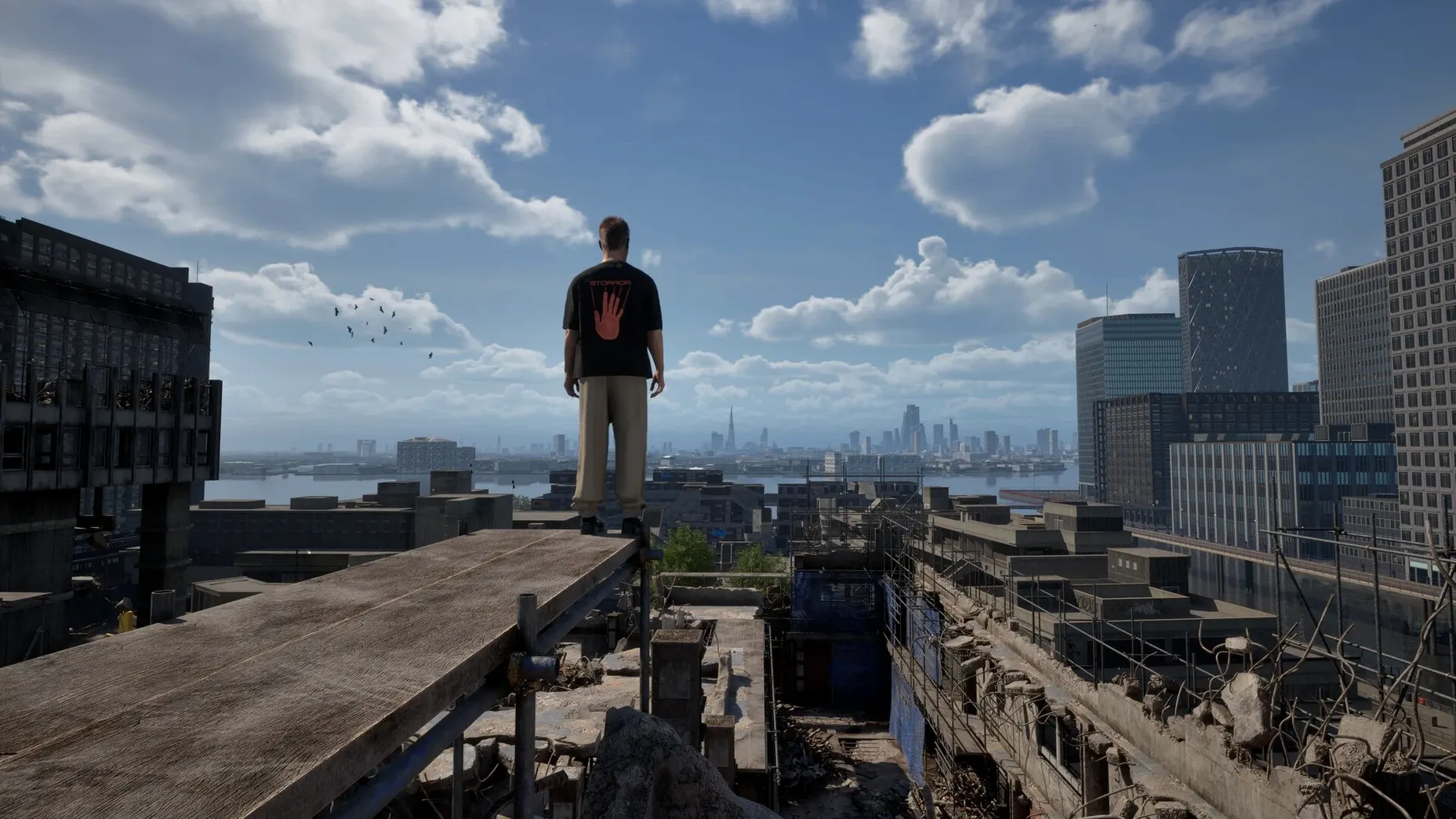
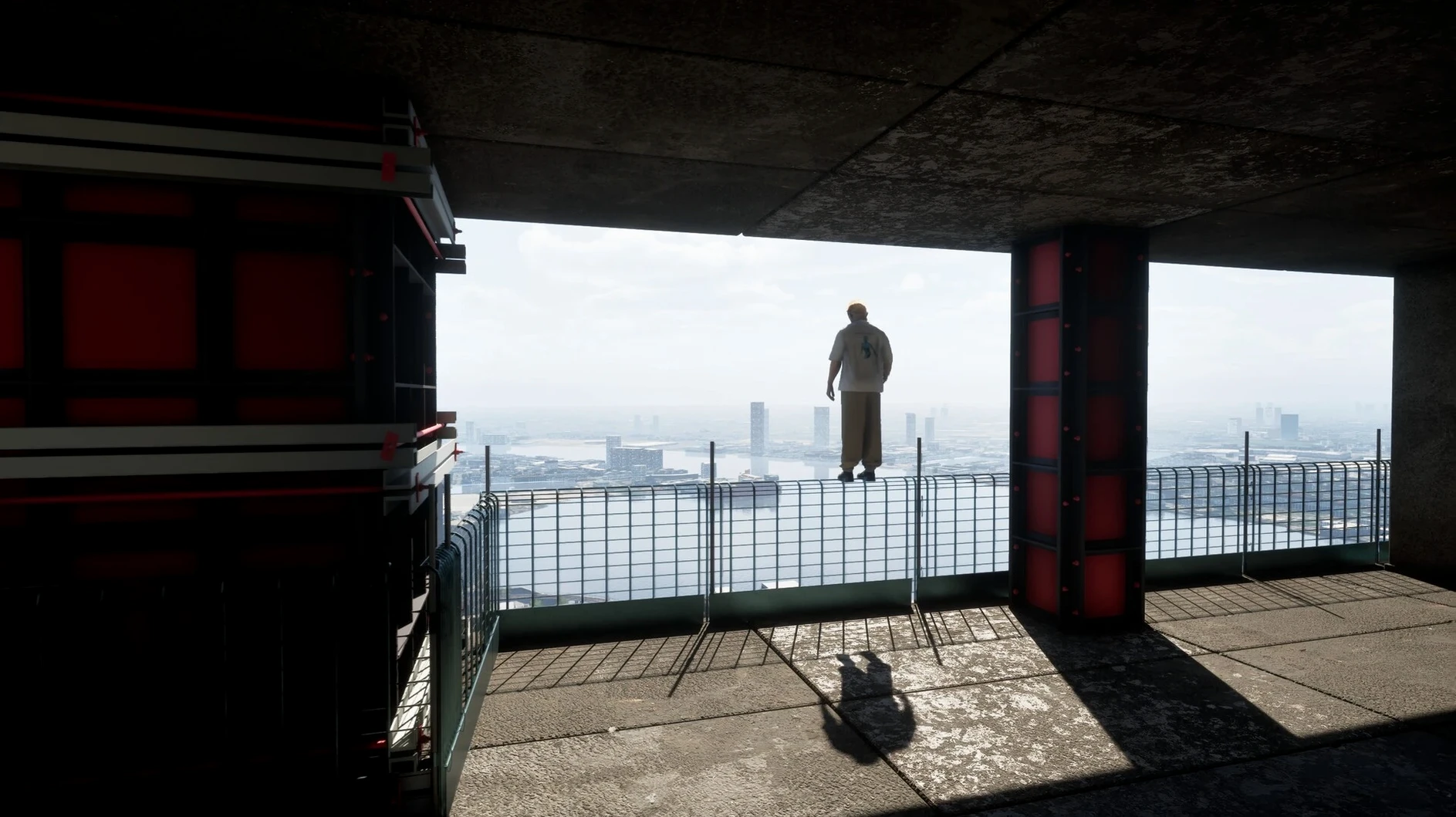
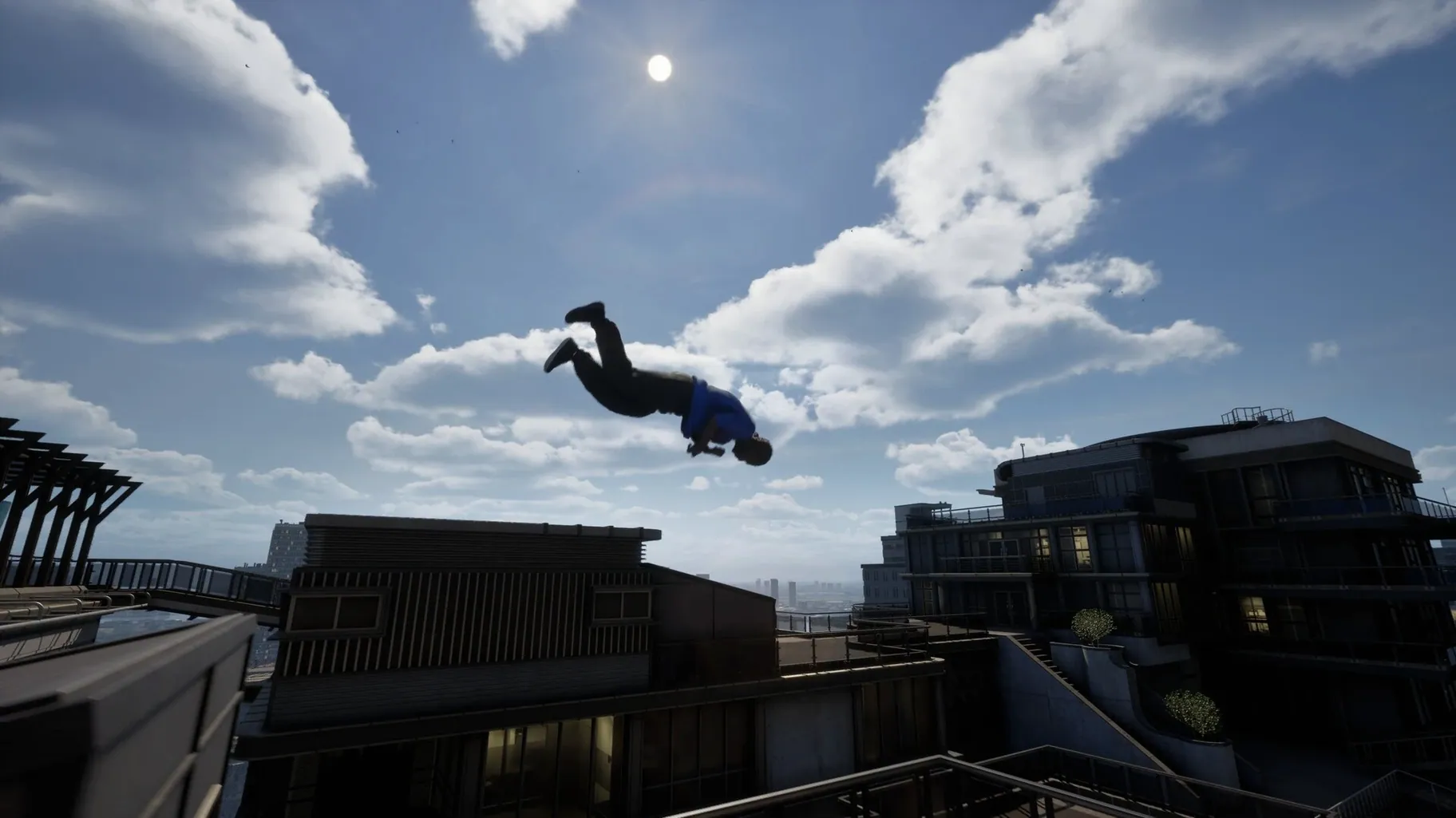
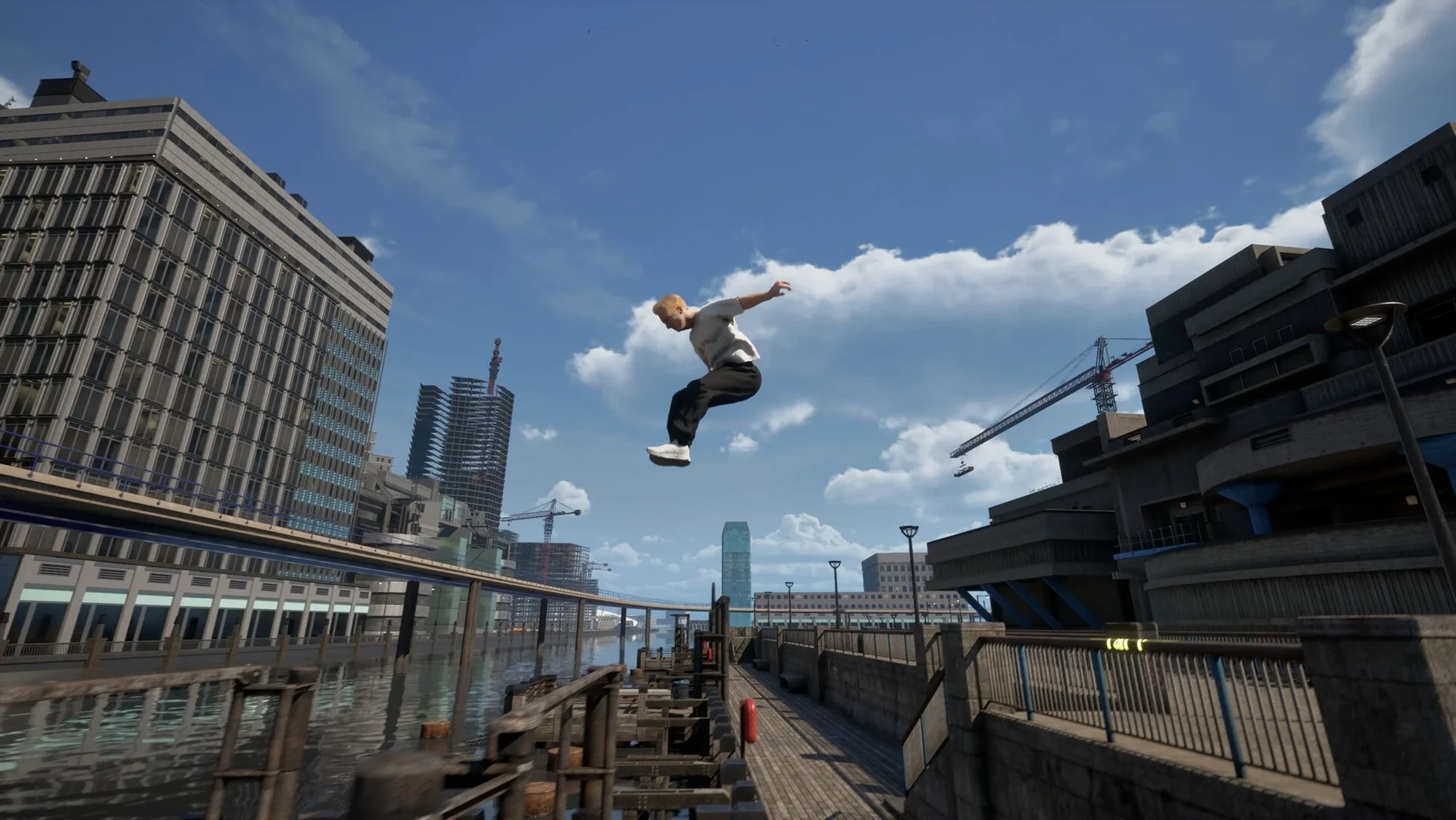
A parkour game built on momentum, precision and the geometry of a reimagined Isle of Dogs.
STORROR Parkour Pro arrives in Early Access with a focused set of modes and a single-player mission that introduces its vision of London rooftop movement. The build is lean but intentional: every feature points towards fluid traversal, whether you are chasing a personal best or a friend. The voice work is delivered in English, with interface support across seventeen languages.
First missions: narrative hook and precision lines
- A first Storror Mission that establishes the narrative and movement vocabulary
- Line Challenges: running curated routes with precision as the measure
- Speed Challenges: straightforward time-attack runs across urban geometry
- Chase and Escape mode: a multiplayer setup built for playing with friends
- Evading helicopter patrols that pressure your route choices from above
Early Access: one borough and Apple Silicon only
- This is an Early Access release; the feature set is still growing
- Requires an Apple Silicon Mac running macOS 14.0 or later
- The world is currently a reimagined Isle of Dogs, not a full London map
Daily performance: steady frames, modest footprint
On an M4 Mac mini, the game holds its frame pacing with a consistency that matters more than raw numbers. The physics layer—constantly recalculating foot placement, momentum and collision across hundreds of mocap-driven animations—rarely stutters. I notice the fan staying quiet through most sessions, which suggests the ARM build is not needlessly taxing the silicon. Memory use sits around what you would expect from a focused Early Access title: enough to load the geometry of the Isle of Dogs and its moving parts, but not so much that background apps complain.
Load times from the Applications folder are brief; restarting after a failed line challenge is fast enough to become compulsive. Stability has been unremarkable in the best sense: no crashes across several evenings of play, no corrupted progress, no sudden drops to the desktop. The one caveat is that Chase and Escape mode, being networked, occasionally shows a hitch when a friend joins mid-session, but the connection recovers quickly. For a build numbered 0.39.0, the polish of the core loop is ahead of schedule.
A Line Challenge, from pavement to rooftop
The workflow for a clean Line Challenge run starts with observation. I pick a route near the docks, where a crane swings in a slow arc above stacked containers. The first attempt is reconnaissance: I walk the path, noting where the game expects a wall-run versus a precision jump. The animation system telegraphs intent clearly—hands reach for ledges a fraction of a second before contact, giving you time to adjust.
On the second run, I commit. A sprint across corrugated metal, a vault over a low barrier, then a running leap to a crane hook. The motion capture sells the weight shift; the athlete's movement data translates into a slight shoulder dip before each take-off. I miss the landing on a narrow beam and reset. The third attempt flows: crane hook to rooftop, a kong over an air-conditioning unit, then a drop onto a moving train carriage as it crosses the canal bridge. The game records the line time silently, no fanfare, just a number that invites improvement. I save the replay for later dissection.
This loop—observe, attempt, refine—feels natural because the physics do not surprise you unfairly. When you fall, you understand why. That clarity makes the difference between frustration and the quiet obsession that parkour games thrive on.
Hardware cutoff: Intel Macs cannot launch it
Does it run on Intel Macs? No. The build is compiled for Apple Silicon only, and the App Store listing confirms the M1 chip or later requirement. An Intel Mac will not open the application at all. If you are unsure about your machine, check "About This Mac" for the chip type.
Is a controller recommended? The game supports keyboard input, and it is entirely playable that way, but the analogue precision of a controller makes wall-runs and angled jumps easier to modulate. I switch between both depending on the challenge; for Speed Challenges, a controller shaves fractions of a second off split times.
How much space does it need? The disk image is compact for a 3D title with this many animations. The installed application sits comfortably within a few gigabytes. As the Early Access cycle adds districts and missions, expect that number to grow, but the current footprint is modest.
What is missing from the Early Access version? The map is limited to the Isle of Dogs, the mission count is deliberately small, and some interface elements—like challenge leaderboards—show placeholder layouts. The core movement system, however, is fully functional and clearly the foundation everything else will rest on. Updates from Hole in the Sleeve Game Studios have been steady, and the Early Access label here signals addition, not repair.
Can I play offline? Yes, all single-player content works without a network connection. Only Chase and Escape mode requires online access, and even there the setup is peer-to-peer with friends rather than matchmaking through a central server.
In short: a lean, technically composed parkour sandbox that already understands its own physics. The Early Access status is honest, not an excuse.







Correspondence 0
Take a chair or join the table to send a letter.
No correspondence on this note yet. Letters are read before they appear.