 LeCoqRoti
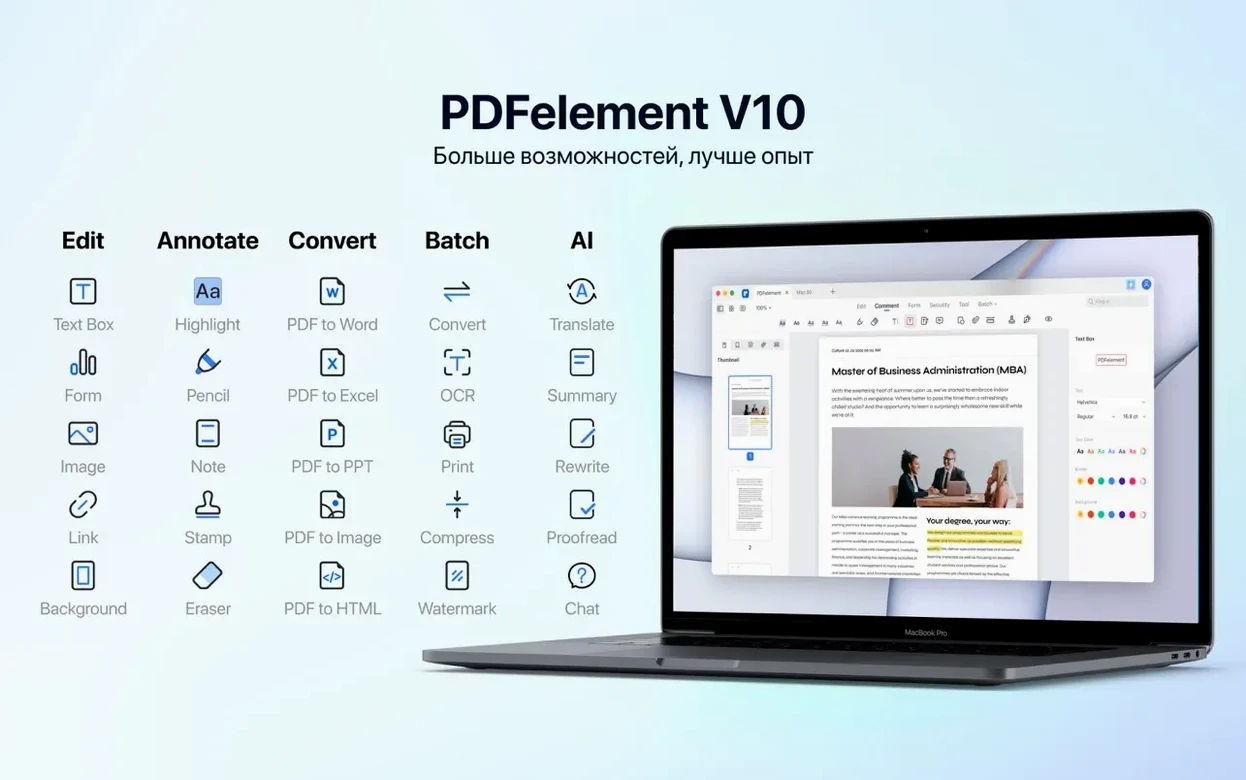
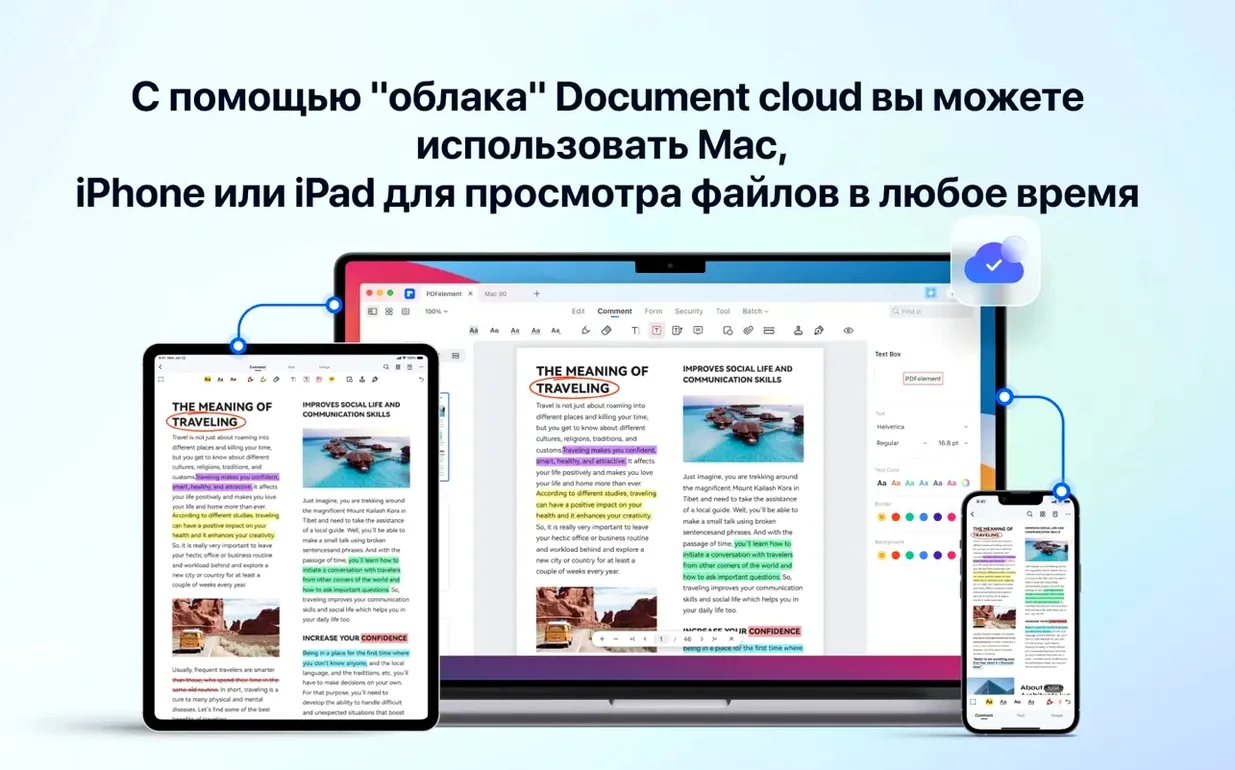
Working with PDFs often means accepting a silent division: you either read lightly or you commit to a fully-equipped editor. PDFelement Pro sits on the practical side of that divide. It is not merely a viewer with a pen tool added; it is an application built for people who need to extract, reshape, and polish documents regularly.
OCR for paper scans: searchable PDFs from old documents
- Scan-based projects: OCR recognises text in scanned PDFs and images, making old paper documents searchable.
- Long-term archives: PDF/A output keeps files stable for years, a quiet requirement in legal and academic work.
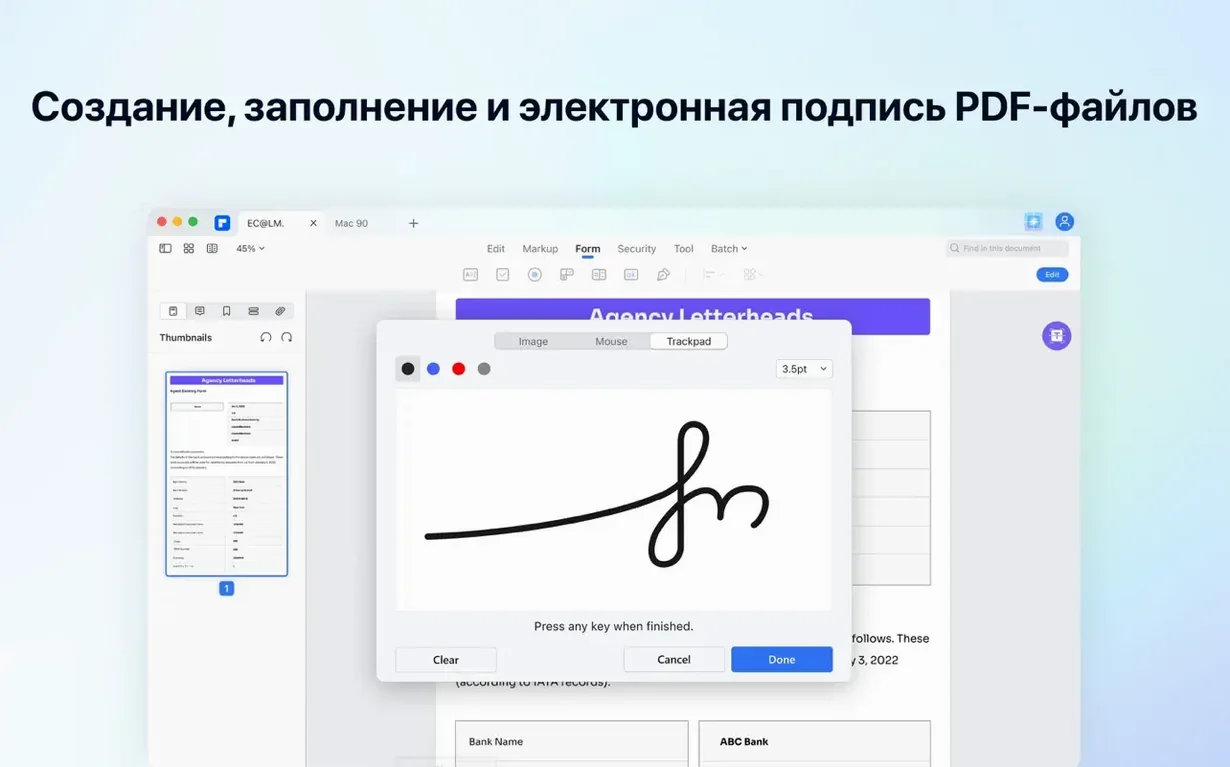
- Form building: you can construct fillable forms with buttons, checkboxes, radio buttons, and drop-down lists.
- Bulk tasks: batch processing handles multiple files at once, saving time on repetitive conversions.
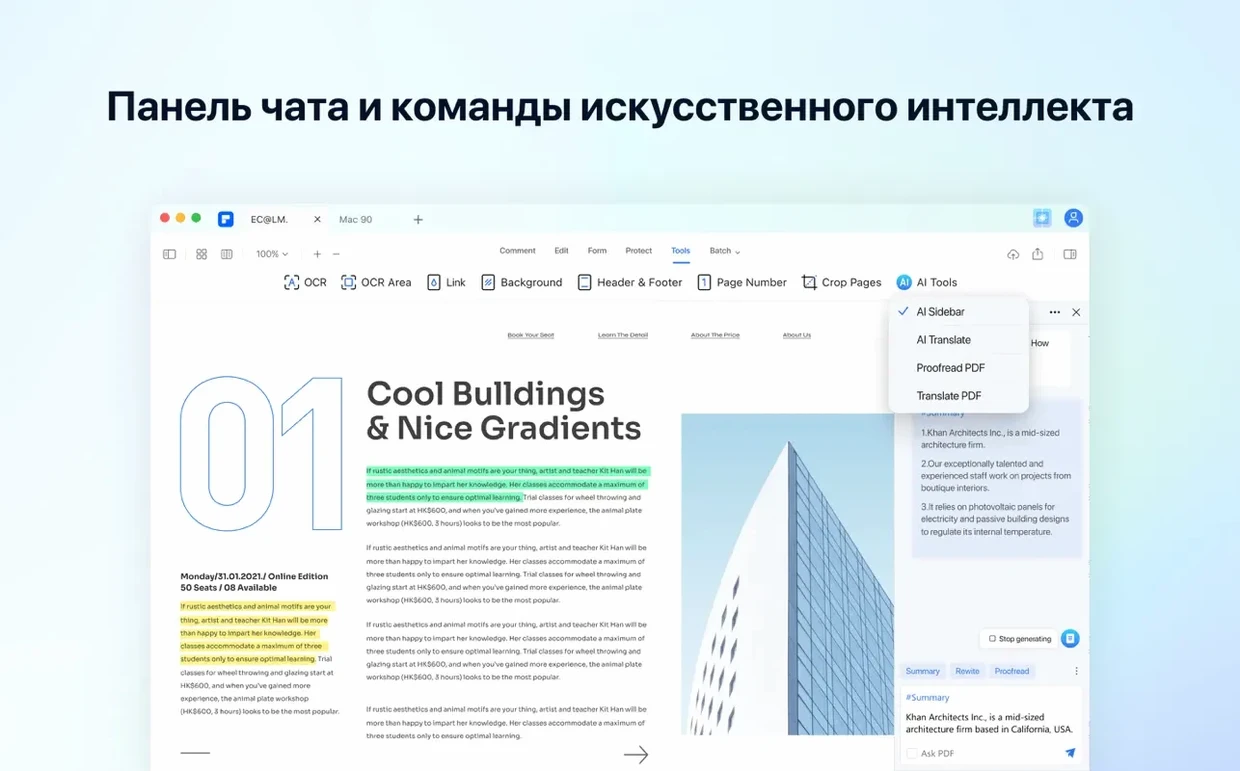
- Quick understanding: built-in AI tools can read, summarise, translate, or answer questions about a document’s content.
Mac requirements: M1/M2 native, Intel needs macOS 11
- Apple Silicon support is native for M1 and M2 chips, but system requirements start at macOS 11 on Intel Macs.
- The interface is functional rather than minimal; expect a toolbar-rich environment.
Editing text: switch to line mode before you type
Most missteps happen in the first ten minutes. The interface rewards a little patience, but plenty of people skip straight past it.
- Editing text without switching to line mode first. Clicking on a paragraph and typing immediately rarely gives the result one expects. Switch to Edit mode and then choose Line Mode from the small dropdown beside the editing tools. This treats each line as a separate block and avoids the cascading reflow that can push text off the page.
- Applying OCR globally when only one page needs it. Running optical character recognition on a 200‑page document takes time. The OCR dialog lets you specify a page range. If only pages 14 to 18 are scanned images, tell it so.
- Forgetting to flatten annotations before sharing. A document full of sticky notes and highlights travels badly if someone opens it in a simpler reader. Flattening merges annotations into the page layer so nothing shifts. Find it under Document > Flatten.
- Expecting form-field recognition to be perfect on the first pass. The auto-detect feature guesses where fields belong, but scanned forms with uneven alignment need manual tweaking. Beginners often accept the initial detection and wonder why their checkboxes are a few millimetres off.
Form fields: Option-drag to duplicate with same properties
Several features sit just below the surface, easy to overlook during a first tour of the toolbar.
- Hold Option while dragging a form field to duplicate it with the same properties. Setting up a page of identical checkboxes becomes a single drag-and-copy motion instead of twenty separate configurations.
- Right‑click any selected text and choose "Search" to look up a term without leaving the document. The result appears in a compact panel rather than a browser tab.
- Use
⌘⌥Sinstead of⌘Sto save a reduced-size copy. The dialog remembers your last quality setting, so subsequent exports take one keystroke. - Drag a page thumbnail from one document window onto another to insert it without going through the full merge tool. The receiving document adds the page at the drop position.
- The AI panel remembers context. You can ask a follow‑up question about the same document without restating the topic. After a summary, typing “turn that into three bullet points” works as expected.
Long-document scrolling: switch to Single Page Continuous
The out‑of‑the‑box configuration is fair, but a few adjustments improve both speed and comfort.
- Preferences > General > Default page display: switch from “Automatic” to “Single Page Continuous” if you scroll through long documents. Page‑by‑page viewing breaks the flow of a report or contract.
- Preferences > OCR > Language: set your primary recognition language here. Leaving it on the default “English” means every OCR job requires an extra click if your documents are in French, German, or another of the 29 supported languages.
- Preferences > Convert > PDF to Word: choose “Text flow” rather than “Exact page layout” if you plan to edit the result in Word. Layout‑preserving mode puts everything in text boxes, which is difficult to restructure afterwards.
- Turn off “Show start page at launch” under Preferences > General. The welcome screen is useful twice, then it becomes an interruption.
A scenario: the research student
Consider a graduate student assembling a thesis bibliography from two dozen academic papers, all in PDF format, some scanned from older print journals. The workflow unfolds in stages.
First, the scanned papers go through OCR with the language set to English and the page range narrowed to the body text. The student opens the AI panel on one paper and asks for a two‑paragraph summary of the methodology section; the result is copied into a notes document. A second paper needs a direct quotation, so the student uses line‑mode editing to correct a misrecognised Greek term before copying the passage.
With all papers digitised and annotated, the student opens the batch tool and converts the entire folder to Word format using “Text flow” mode. The output files are clean enough for final formatting in a word processor. Six of the papers need Bates numbering applied for an appendix, which takes a single pass through the numbering dialog. The whole process, from scanned image to formatted bibliography, stays inside one application.
Word conversion: one text box per sentence means layout mode
No PDF tool is frictionless. These are the points where people tend to get stuck.
- Converted Word documents open with every sentence in a separate text box. This happens when the conversion preference is set to “Exact page layout.” Switch it to “Text flow” or “Simple layout” and run the conversion again.
- OCR produces garbled text on a clean scan. Check the language setting first. A German document run through English OCR yields nonsense. Also check the output type under the OCR button: “Searchable Text Image” keeps the original appearance but adds an invisible text layer, which is often the safer choice.
- The app feels sluggish when editing a large file. Try working in sections. Splitting a 300‑page document into smaller parts for editing, then merging them afterwards, is faster than waiting for the whole file to re‑render after every change.
- Bates numbering shifts page content. If the numbering overlay overlaps existing text, adjust the margins and position in the Bates dialog before applying. The preview pane shows exactly where the stamp will land.
- Gatekeeper blocks the first launch after installation. This is not an application error. Right‑click the icon and choose Open, or follow the Terminal step included with the disk image to bypass the restriction.
- Form fields vanish when a recipient opens the file. Many third‑party PDF viewers ignore interactive elements unless the file is saved with Reader‑extended permissions. Under File > Properties > Security, ensure the document allows filling forms and signing.
In short: PDFelement Pro rewards the habit of checking a preference before assuming a tool is broken. Most friction disappears once the OCR language, conversion mode, and page display are set to match the task at hand.






Correspondence 0
Take a chair or join the table to send a letter.
No correspondence on this note yet. Letters are read before they appear.