 LeCoqRoti
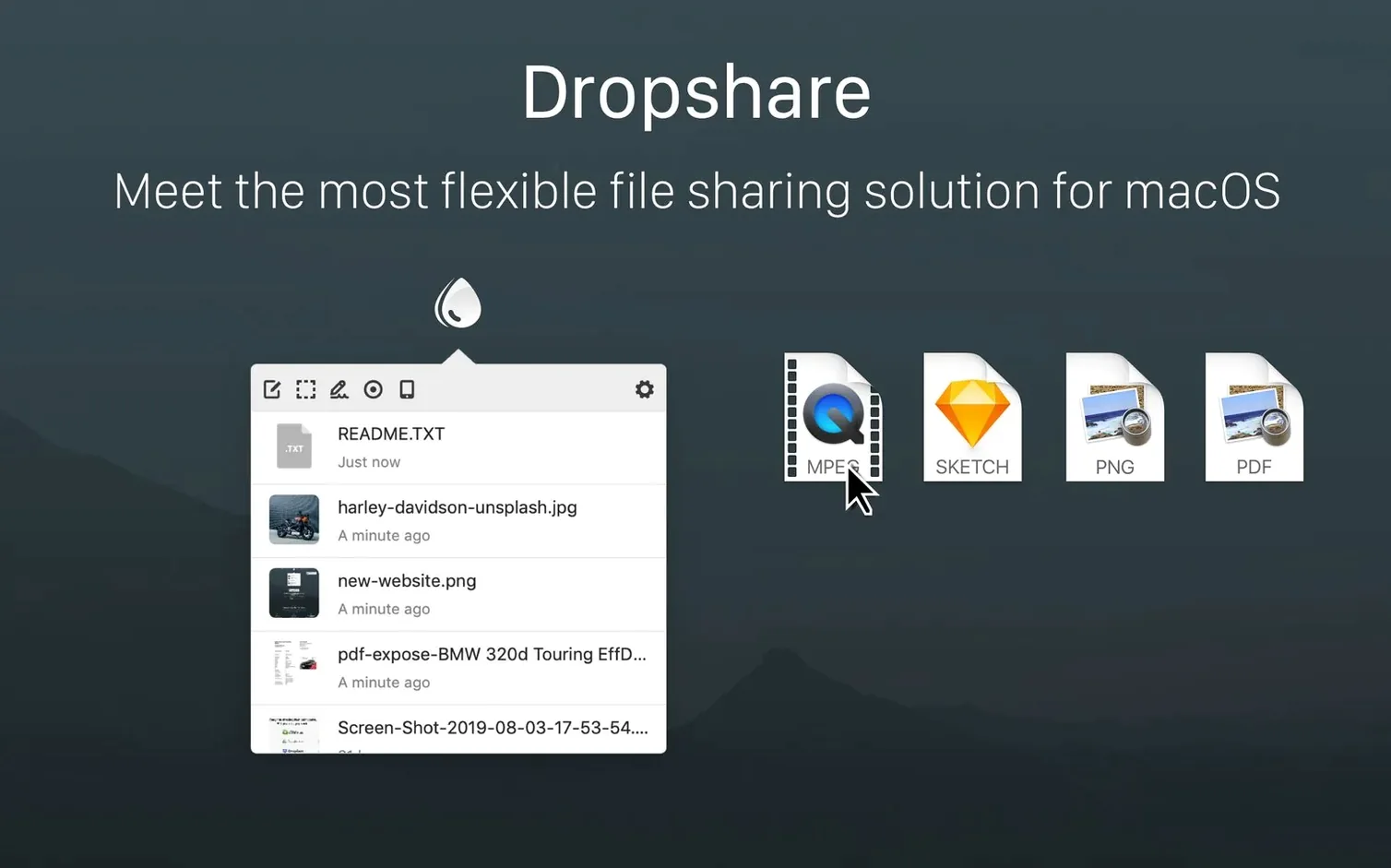
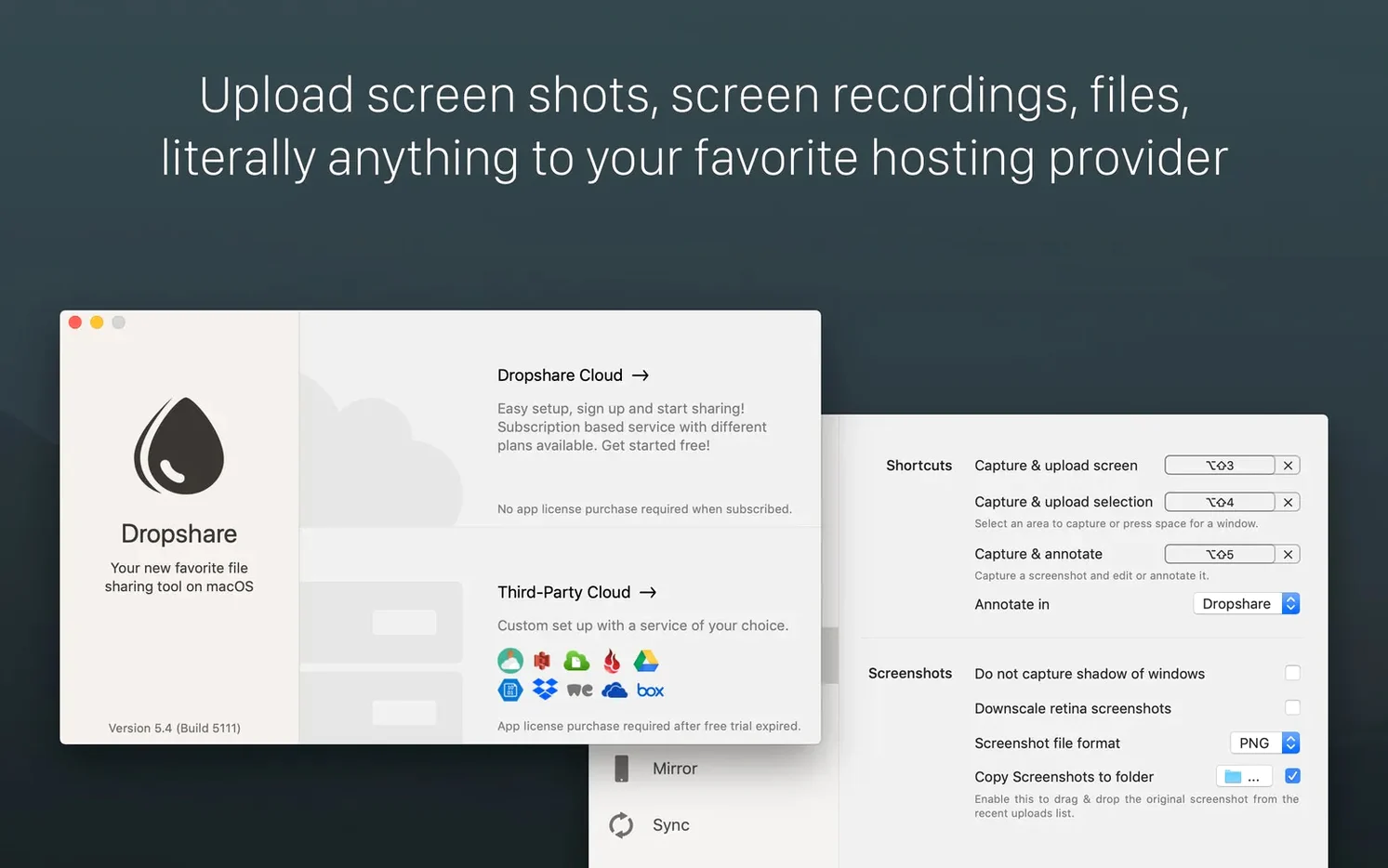
Dropshare attracts a certain kind of user: someone who sends files often, but finds the default sharing options in macOS too blunt. They want a link that looks considered, not an afterthought. Version 6 rewards this way of thinking with a set of tools that run deeper than simple drag-and-drop.
A workflow we see rehearsed in the studio, step by step:
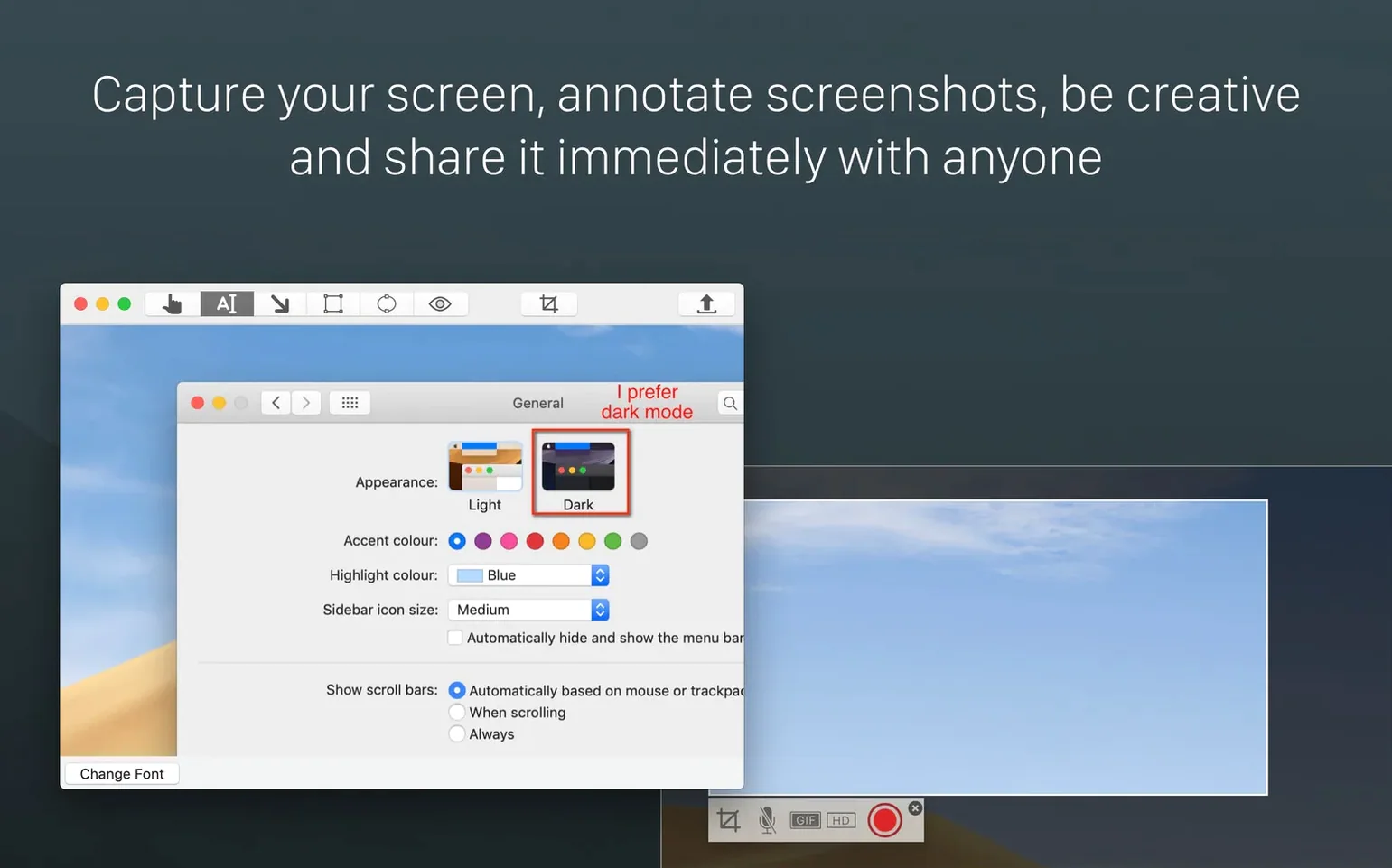
- Capture and annotate: Take a screenshot or screen recording. Dropshare can pick it up automatically after capture.
- Shape the link: Before uploading, decide on the lifespan. The automatic deletion tool lets you set an expiry, after which the file disappears from the server. You can also protect the download with a password.
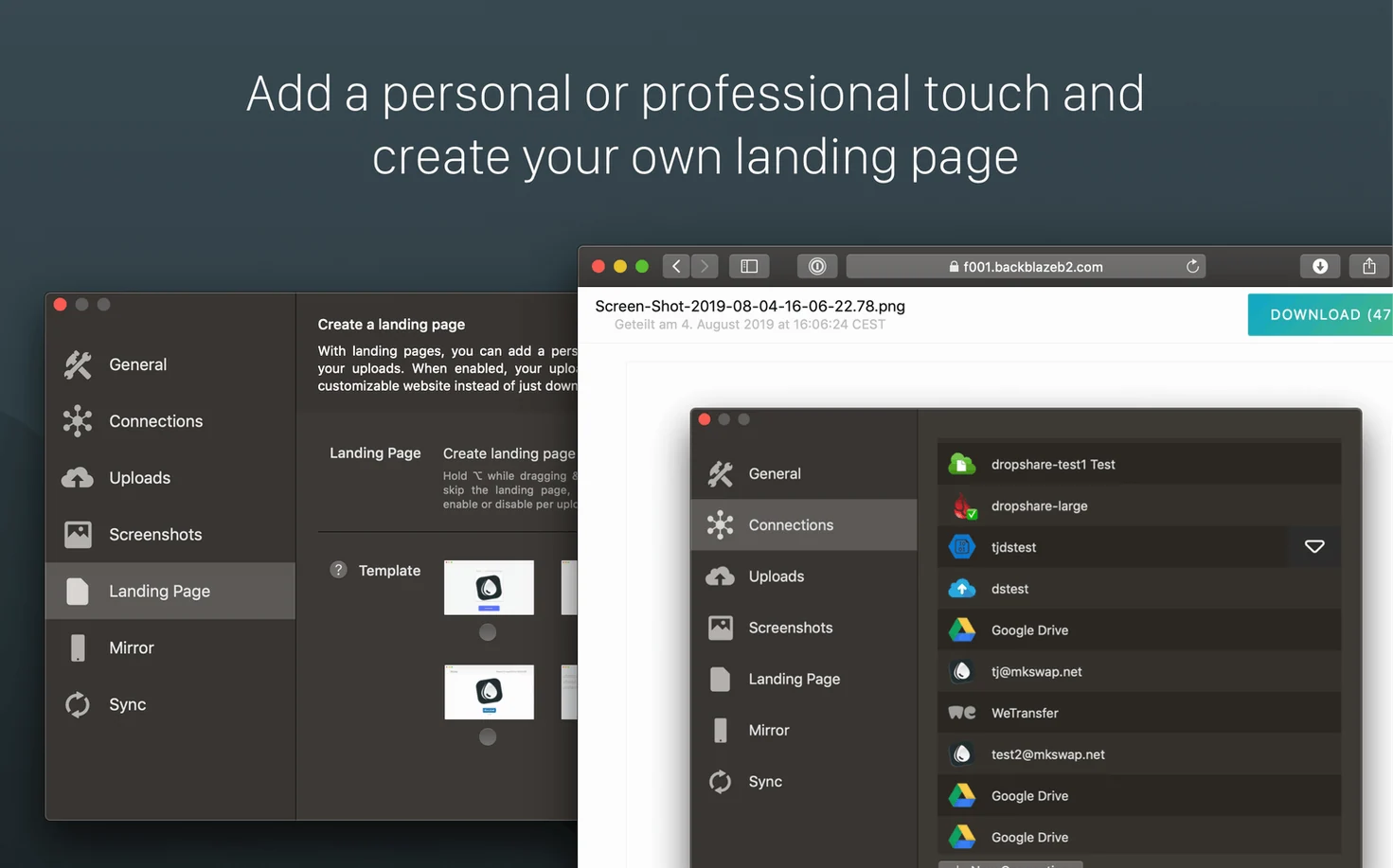
- Dress the landing page: This is where the app rewards deeper tinkering. Custom templates accept your own HTML, CSS, or JavaScript, turning a bare file link into a branded page.
- Add a written note: A Markdown note can accompany the upload. Write it in the built-in editor, or create one directly from the clipboard. The result is a clean, text-accompanied destination rather than a raw URL.
- Keep history in sync: Everything you upload is logged, and iCloud keeps that history consistent across your Apple devices. The iOS app is a separate purchase, but the sync is a quiet, practical bridge.
In short: the surface is a quick uploader, but the value for an experienced user lies in the control over what the recipient actually sees and how long it stays there.
Stability: under the surface of 6.15
In a daily workflow that includes several dozen uploads across SFTP and S3 connections, Dropshare 6 settles into the background without making itself felt — which is precisely what one wants from a utility that handles file delivery. The current build resolved a specific regression where encrypted uploads could fail over FTP(S) connections, a fix that matters most to anyone who routes sensitive material through older server infrastructure. In practice, encryption now behaves predictably across all configured providers, whether you are sending client proofs to a self-hosted instance or passing internal documents to a password-protected landing page.
Memory usage stays modest. On an Apple Silicon Mac, the app typically idles under 60 MB of RAM, rising only briefly during a large upload. There is no noticeable CPU drain when the menu bar helper sits waiting for a screenshot capture, and the iCloud sync of upload history — now covering years of shared links in our studio copy — completes in seconds upon launch, without stalling the interface. The annotation editor added in version 6 remains responsive even when marking up a 5K screen recording still, with save and copy actions executed without lag.
Speed: where the architecture shows
Upload throughput depends on the remote host, not the app, but the local processing pipeline has been streamlined. Encrypting a file before upload adds only a fraction of a second per hundred megabytes, and the app never re-encrypts files already processed unless the connection parameters change. For users who rely on the automatic capture workflow — screenshot, annotate, upload, copy link to clipboard — the entire sequence happens fast enough to feel like a single gesture. The clipboard Markdown note feature is equally immediate: paste a block of text, hit the shortcut, and a shareable page is ready before you have switched back to your mail client.
One detail worth noting for those considering a dropshare 6 for mac free download: the app loads without splash screens or onboarding overlays, launching straight into the upload history or the menu bar drop zone. That restraint in interface design contributes as much to the feeling of speed as any optimisation under the hood. Transitions between the history list, annotation view, and template preview are direct, without animation tax.




Correspondence 0
Take a chair or join the table to send a letter.
No correspondence on this note yet. Letters are read before they appear.