 LeCoqRoti
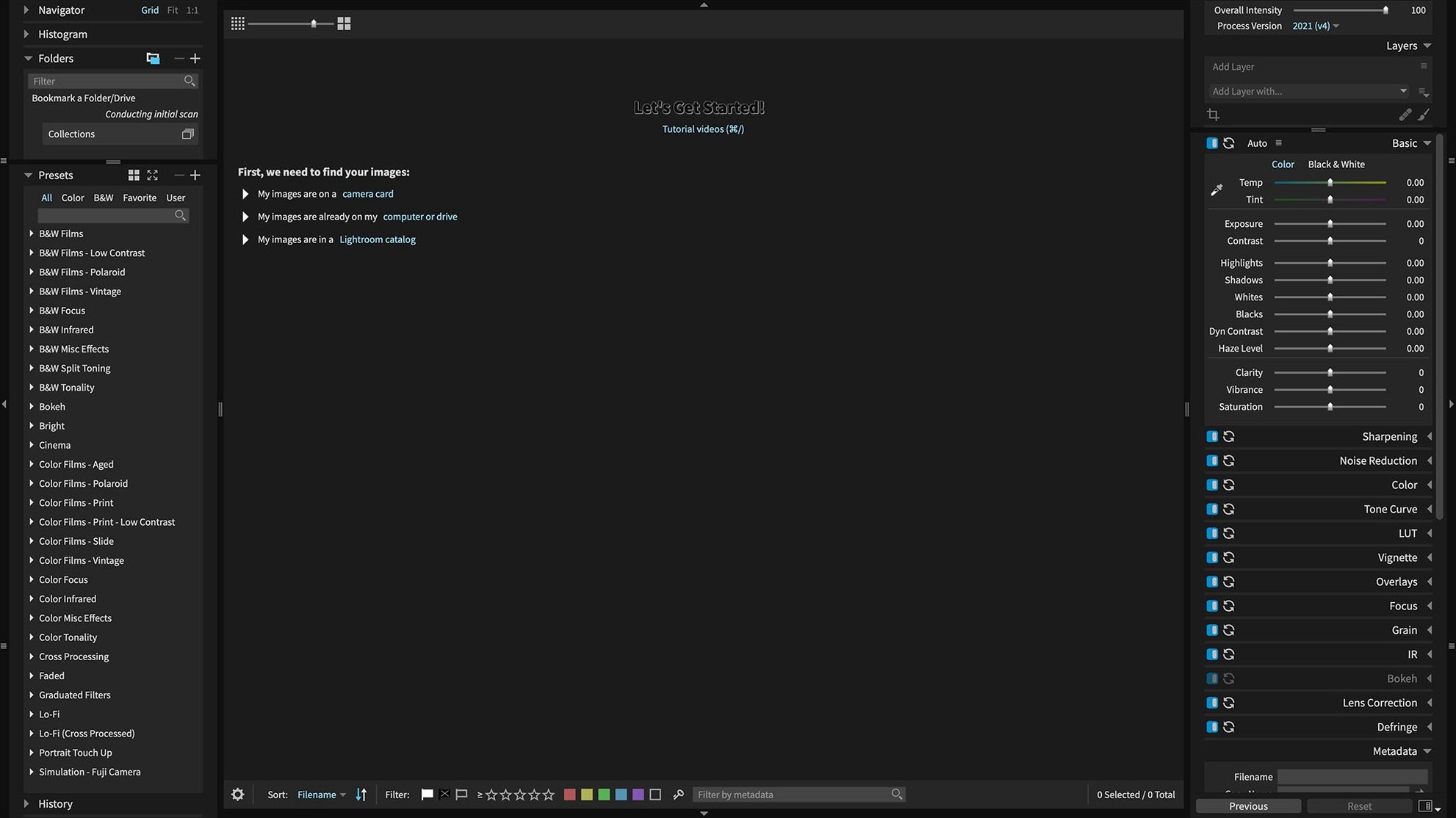
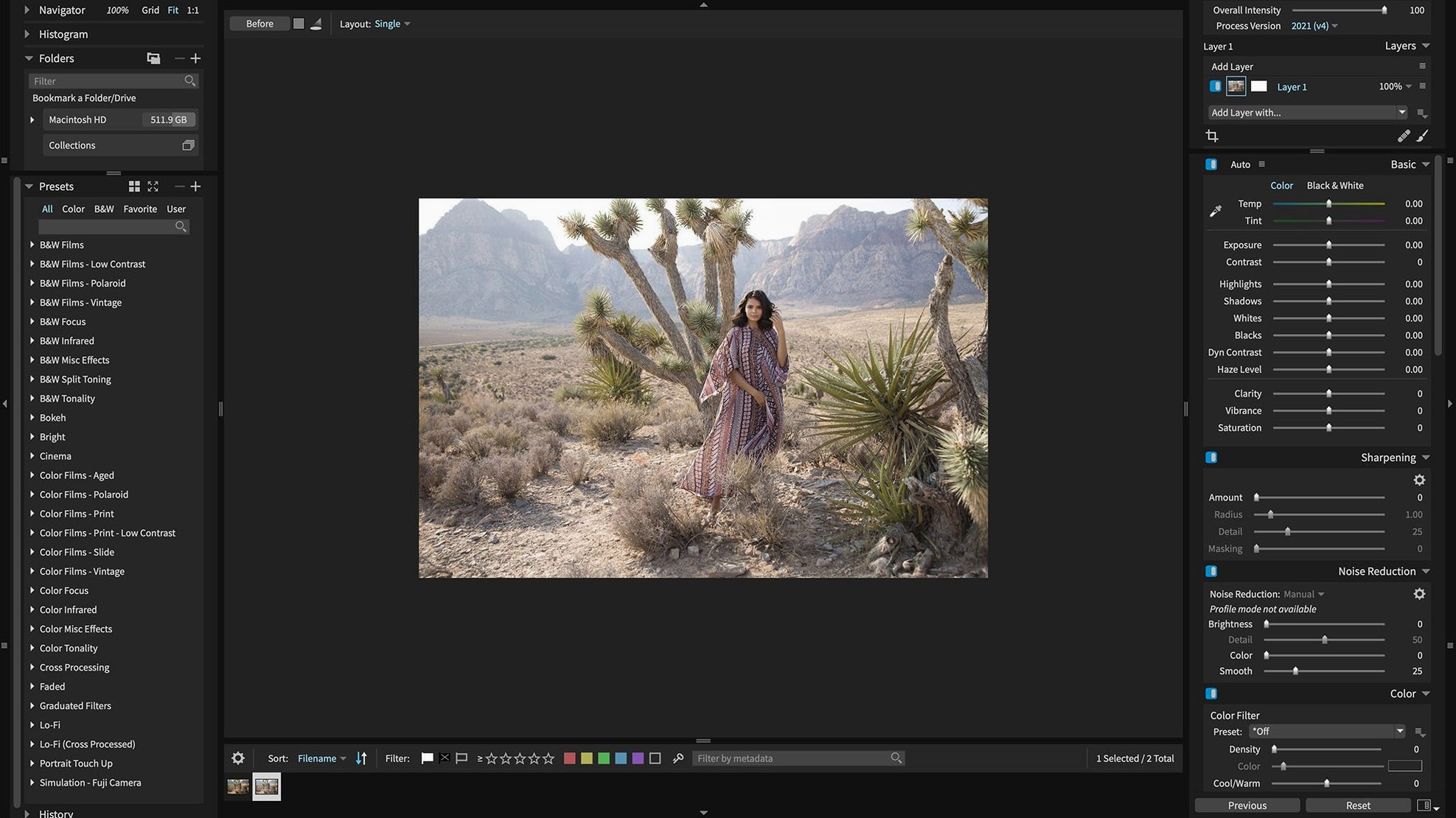
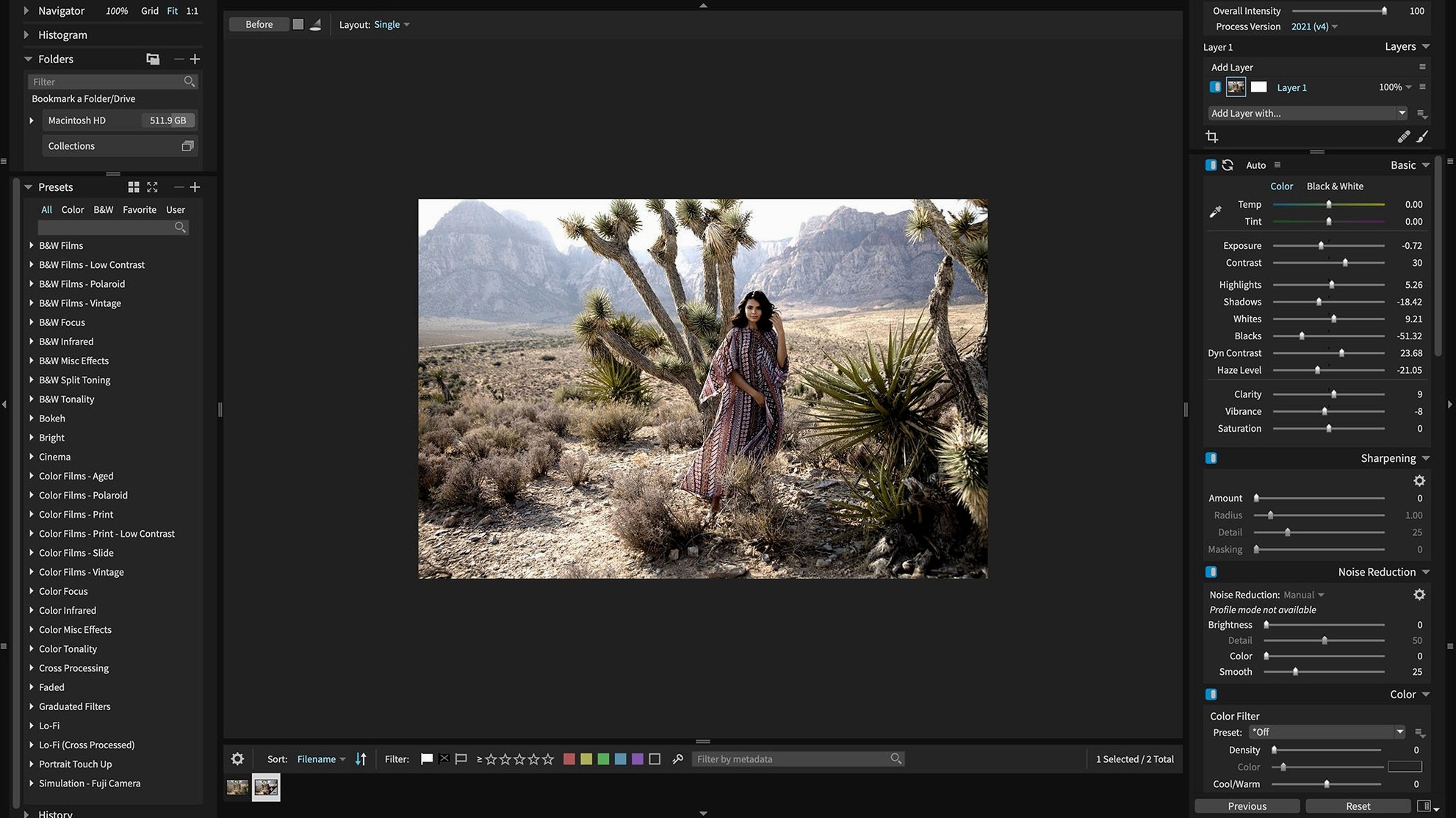
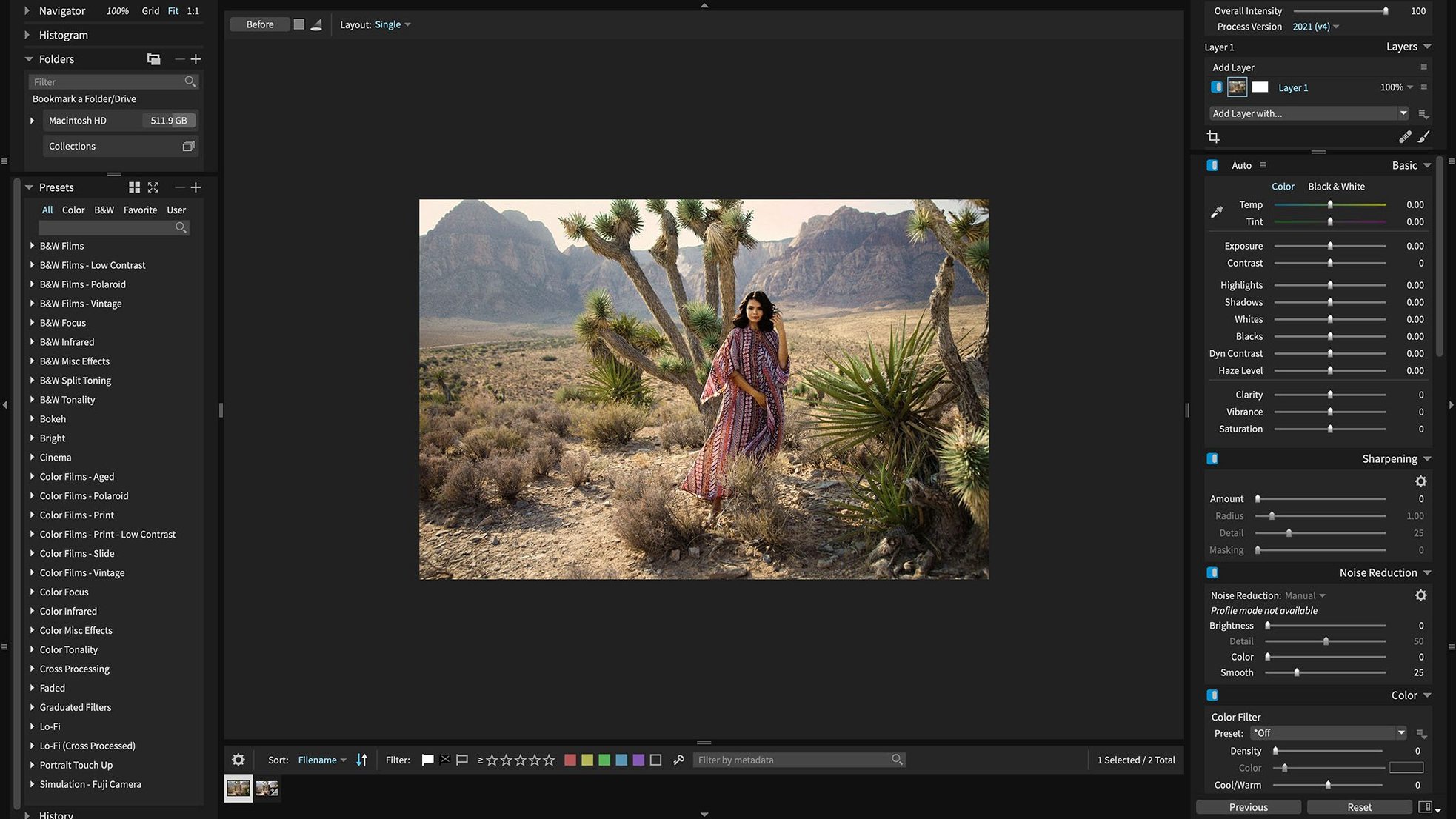
One raw file, sixteen bits per channel, and a set of masking tools that work in three dimensions of colour. That is the territory Exposure X7 occupies: a photo editor built around non-destructive layers and a plugin bridge into Photoshop and Lightroom.
Standalone editor meets Adobe plugin: ideal for portrait retouchers
- Photographers who want a standalone editor that also slots into an existing Adobe workflow — the plugin supports Photoshop CS6 through CC 2015 and newer, plus Lightroom 6 and Lightroom Classic CC.
- Portrait work: the retouching tools are purpose-built, not borrowed from a general cloning brush.
- Precise colour adjustments. The 3D colour masking lets you isolate a hue across its saturation and luminance range, then treat it independently.
- Quick passes with automatic adjustments when a deadline is tighter than the light was.
Deep masking requires patience: plugin expects a compatible host
- The masking is deep, not immediate — building a 3D colour mask rewards patience.
- As a plugin, it expects a host: Photoshop CS6 or CC 2015+, Lightroom 6 or Classic CC.
- Version 7.3.0 remains on macOS 10.13 or later, 64-bit only, so older Macs need not apply.
Small moves: shortcuts and conveniences worth knowing
Some of the most efficient parts of Exposure X7 live just below the interface surface. A double-click on any slider resets it to its default, which saves the small drag back to zero when an edit has wandered too far. The crop tool rotates freely unless you hold Shift, at which point it snaps to 15-degree increments — useful when a horizon is slightly off and you want precision without the guesswork.
Layers respond to blending mode changes with a single keystroke: select a layer and cycle through the modes with Option + and Option -. It is quicker than the drop-down, especially when comparing how Overlay, Soft Light, and Hard Light each handle a contrast adjustment. The same modifier logic applies to the preset browser. Hovering over any of the 500-plus presets updates the preview in real time, but holding Option while hovering shows only the effect on the current layer, leaving the rest of the image untouched. This makes auditioning a heavy vignette or a split tone a matter of seconds rather than a series of undo steps.
A few other details that are easy to overlook:
- The F key cycles through full-screen modes, and a right-click on the image background opens a contextual menu for the most-used tools — no trip to the toolbar required.
- Smart Collections support nested conditions. You can, for example, collect all images shot with a specific lens, at ISO 800 or higher, with a keyword “unfinished.” The logic holds across three or four criteria without breaking.
- When working with the plugin inside Lightroom Classic, choosing Edit a Copy with Lightroom Adjustments passes your Lightroom-developed state into Exposure X7 as a starting point. The alternative — editing the original raw — gives you a clean slate. Knowing which one suits the image saves a round trip.
Sony A7 IV raw fix: three daily friction points resolved
Version 7.3.0 arrived as a maintenance release, but its fixes address three friction points that anyone editing regularly would encounter. The corrupt rendering of Sony A7 IV lossless compressed raw files meant that a body popular with portrait and event photographers produced files that fell apart on screen. That is now resolved, so the A7 IV’s compressed raw files open cleanly and without artefacts.
The crash triggered by black-and-white film presets was intermittent but disruptive: apply a preset, lose your session. The fix restores confidence in what should be one of the fastest creative decisions in the application — choosing a film stock look and moving on. The third crash fix, tied to the Quick Export menu after reordering export presets, removed a small but persistent annoyance for anyone who exports frequently to multiple formats and reorders those presets to keep the most-used destinations at the top.
On the support side, the addition of three camera profiles — Panasonic Lumix G95D, Panasonic Lumix S5 IIX, and Sony Cyber-shot DSC-RX100M7 — broadens the raw compatibility for shooters using compact travel cameras and recent Micro Four Thirds bodies. The HEIC support is equally practical: iPhone photographs can now be opened directly without a conversion step, which matters when an iPhone has become the second camera in a working photographer’s pocket.
A working scenario: the editorial portrait photographer
Consider a photographer preparing a set of environmental portraits for a magazine feature. The shoot mixed window light with a single strobe, and the white balance varies across the room. The images arrive as raw files from a Sony body, lossless compressed.
She opens the first frame in Exposure X7, applies a neutral camera profile, and builds a 3D colour mask that isolates the warm cast on the subject’s skin from the cooler background. A second mask, feathered loosely, drops the exposure on a bright patch of window frame. Both adjustments sit on non-destructive layers, so the original pixel data remains untouched. She saves a preset of these two layers and applies it to the rest of the set with one click, then adjusts each image individually — a slight tweak to the skin mask on the close-up, a different white balance point on the wide shot. Before the update, the lossless compressed files would have required a conversion step in another tool; now they load directly. When the set is ready, the Quick Export menu sends TIFFs to the magazine’s spec folder without a crash, and a second export preset drops small JPEGs into a client review gallery.
Insert a dedicated masking stage: for photographers with a raw habit
Exposure X7 is not a do-everything editor, and that is its strength. It suits photographers who already have a raw processing habit — Lightroom, Photoshop, or both — and want to insert a dedicated masking and layering stage without leaving their catalog behind. The plugin route means the organisational work stays in Lightroom; the pixel work happens in Exposure X7. For a wedding photographer culling thousands of frames, that division of labour is practical.
It also fits the photographer who prefers a standalone tool but values the creative head start that 500 presets provide. The film stock emulations, in particular, reward those who learned on Tri-X or Portra and want a digital starting point that feels familiar. And for anyone editing on an Apple silicon Mac, the native support means the GPU-accelerated adjustments — especially the 3D colour masking — respond without the translation lag that Rosetta sometimes introduces.
In short: if your workflow already involves layers, masks, and the occasional round-trip to a host application, Exposure X7 fills that gap cleanly. The recent fixes in version 7.3.0 simply remove the small obstacles that got in the way.






Correspondence 0
Take a chair or join the table to send a letter.
No correspondence on this note yet. Letters are read before they appear.