 LeCoqRoti

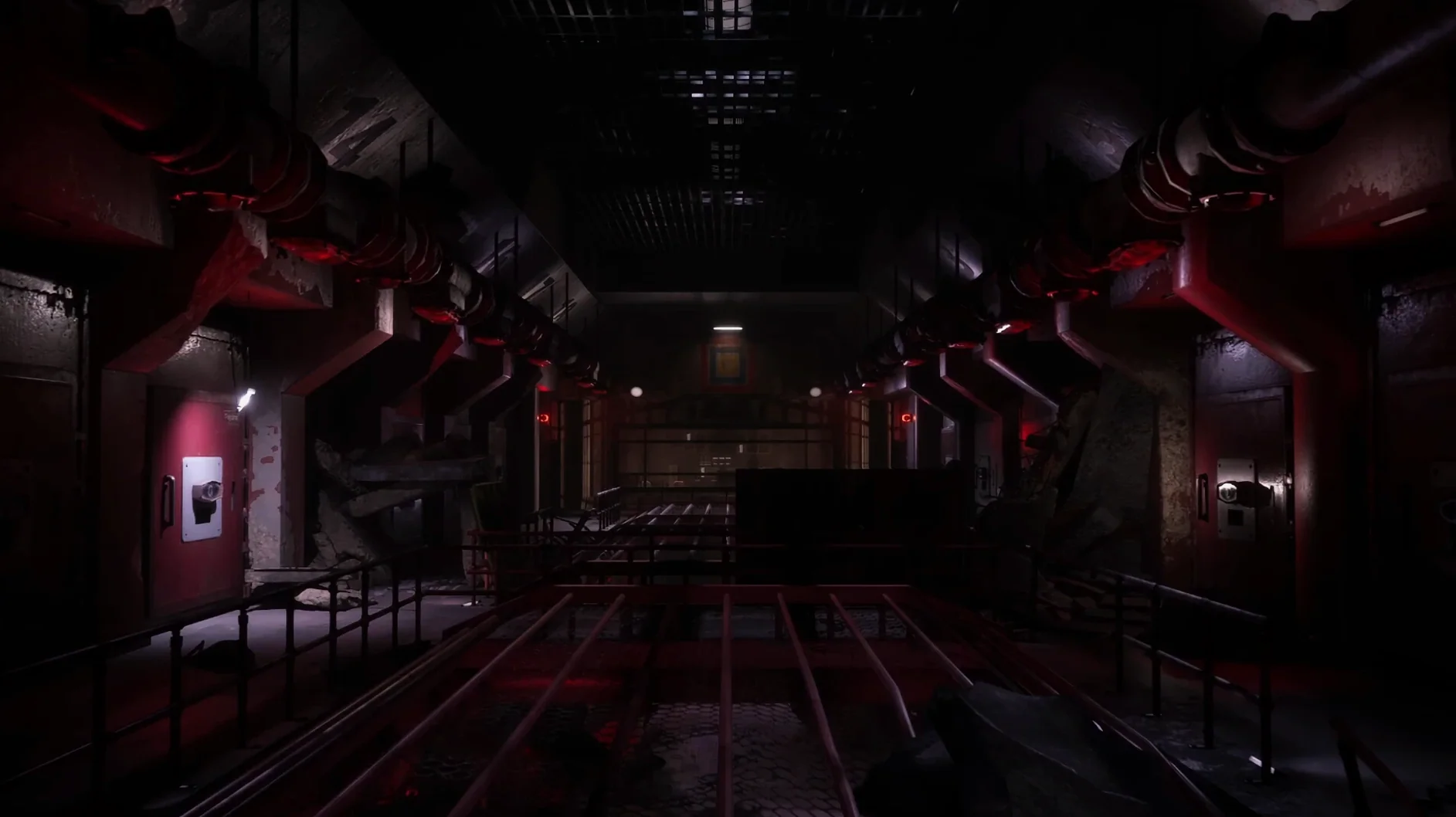
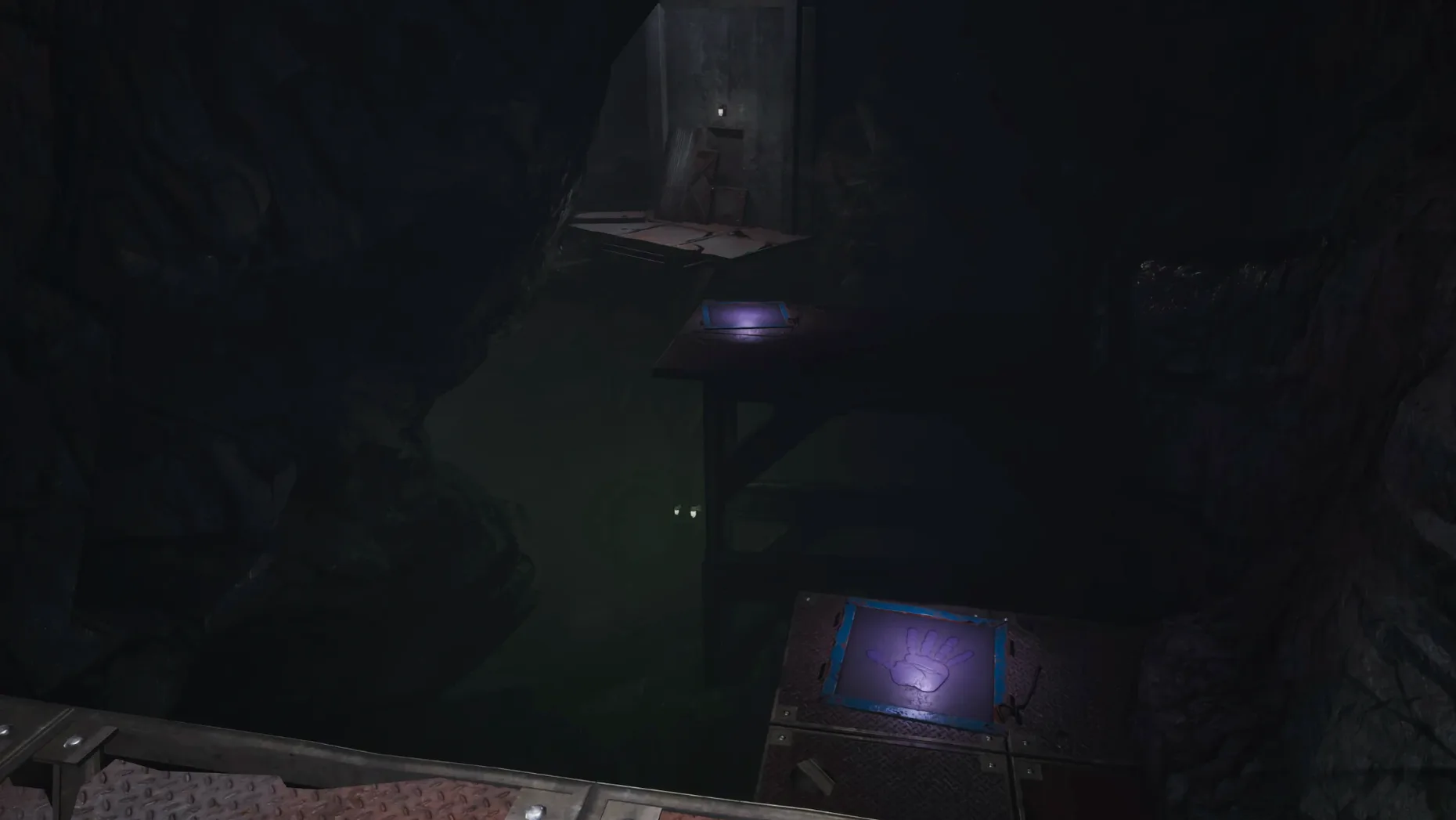
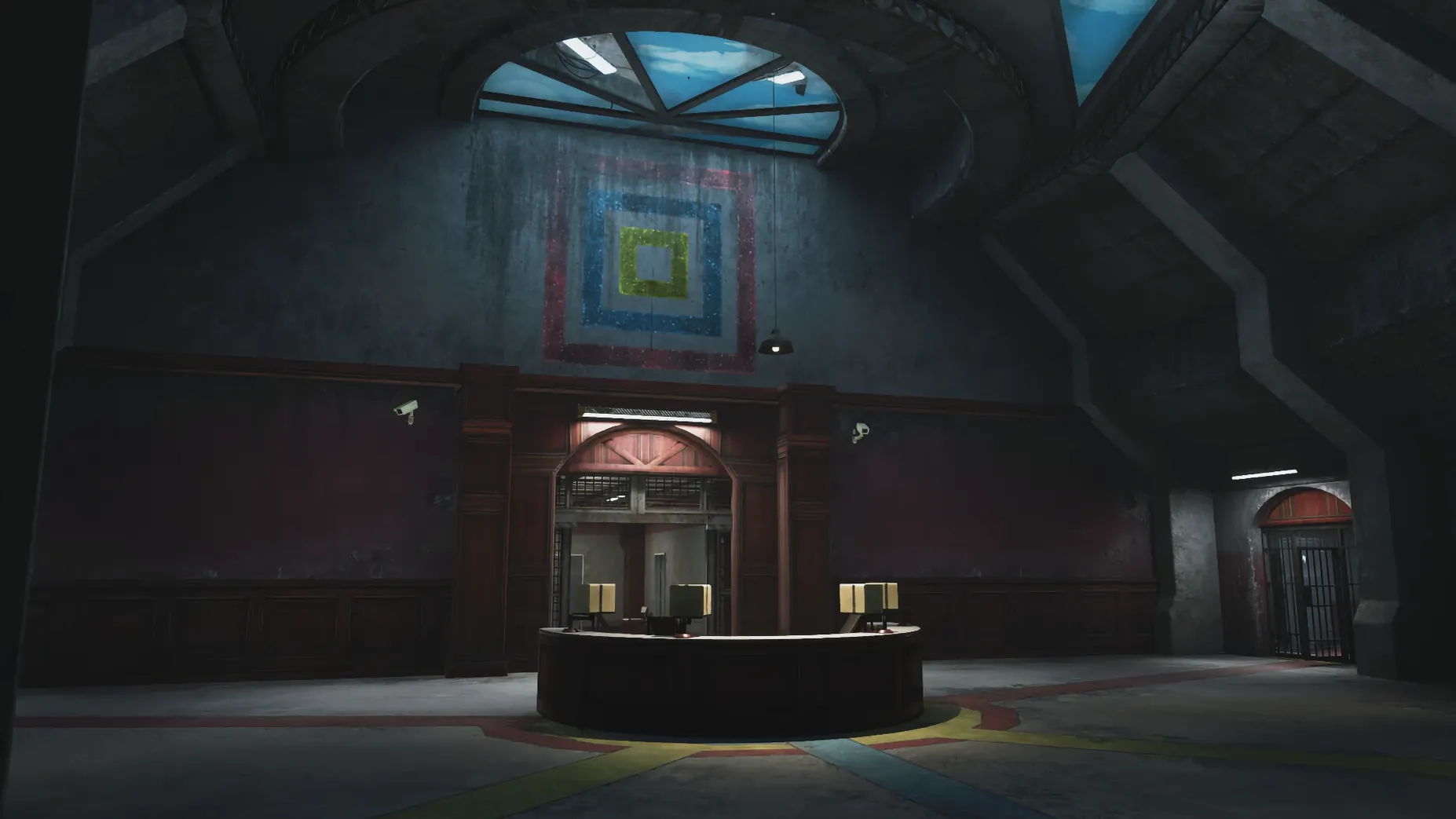
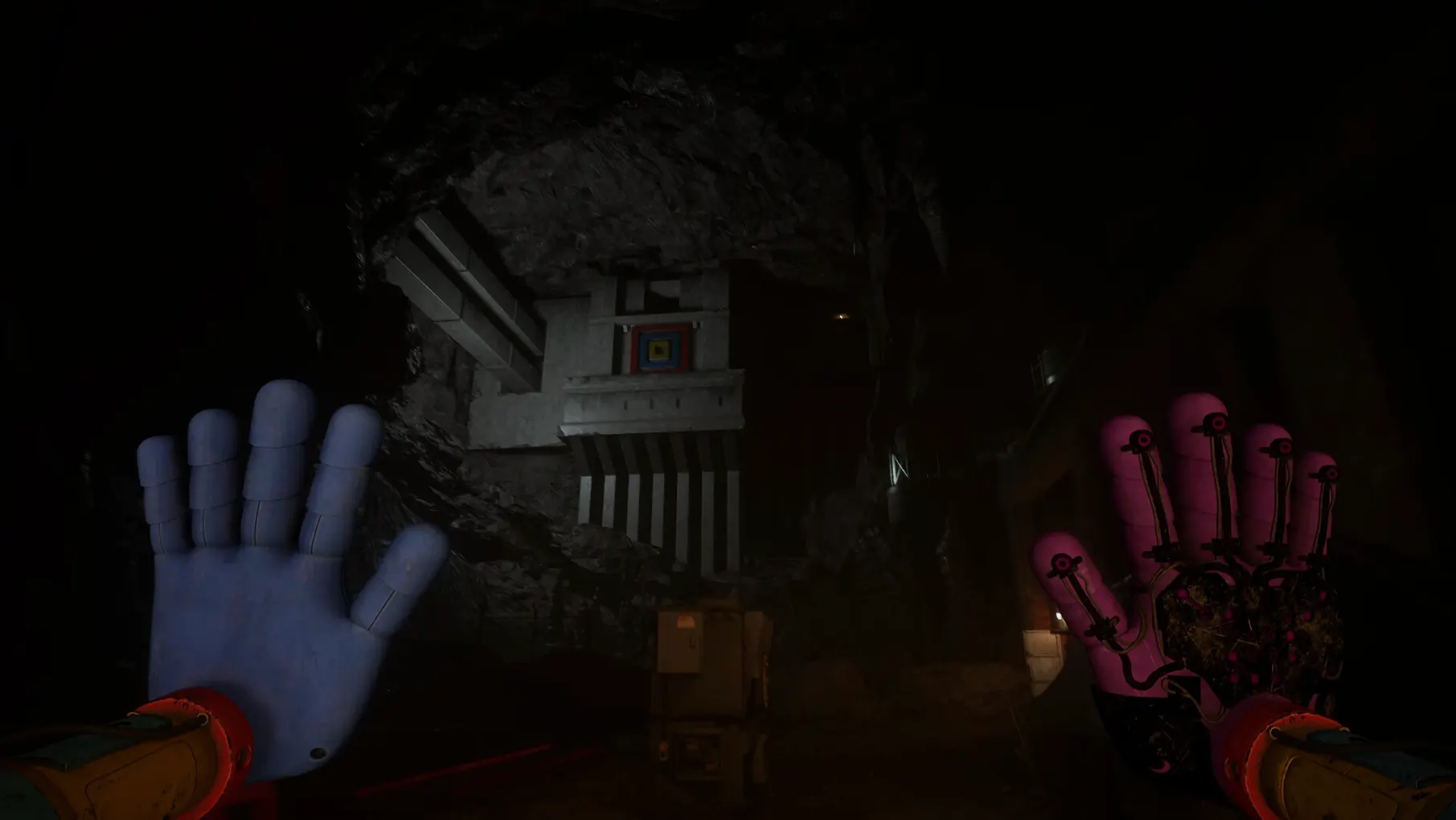
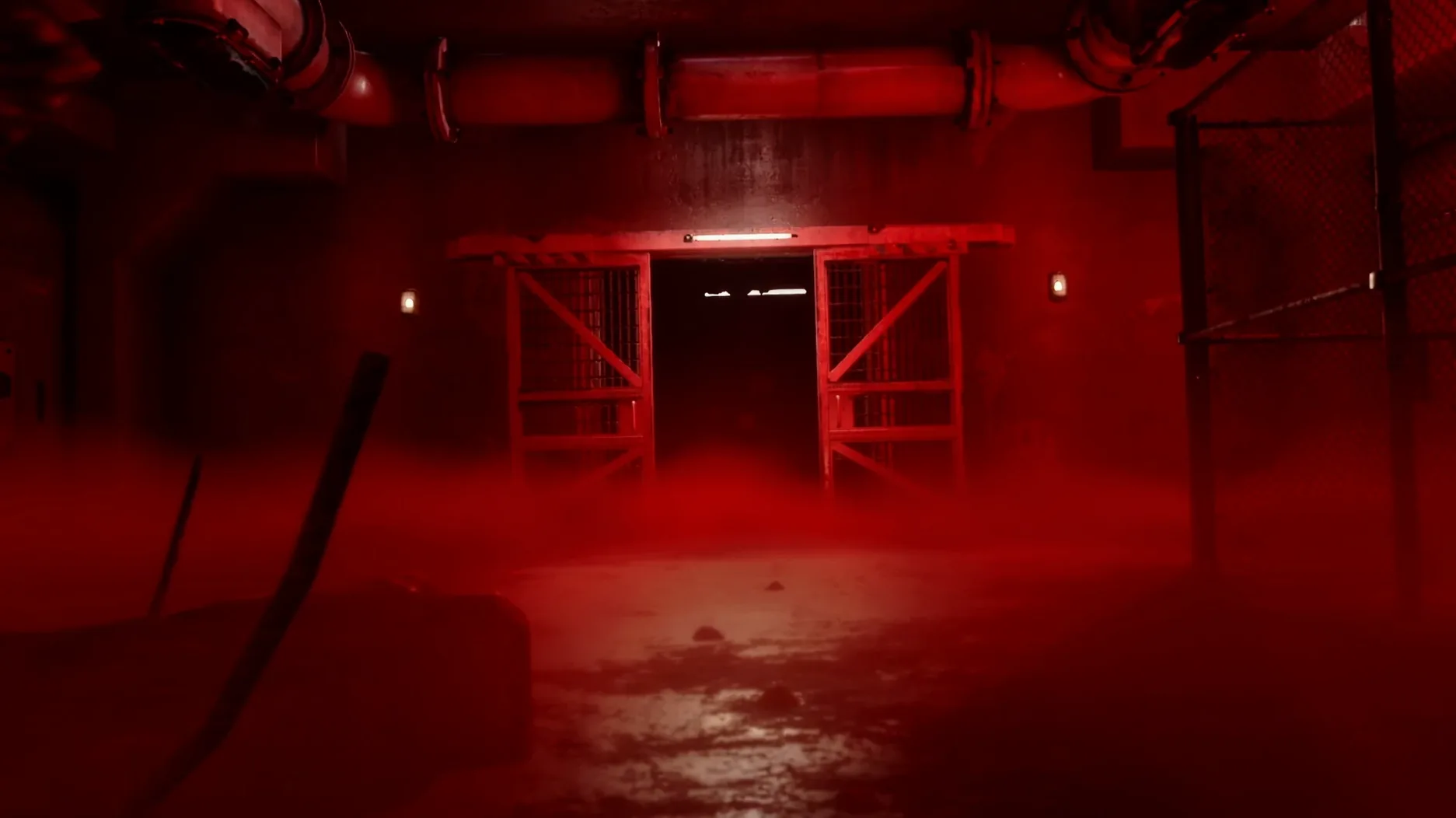
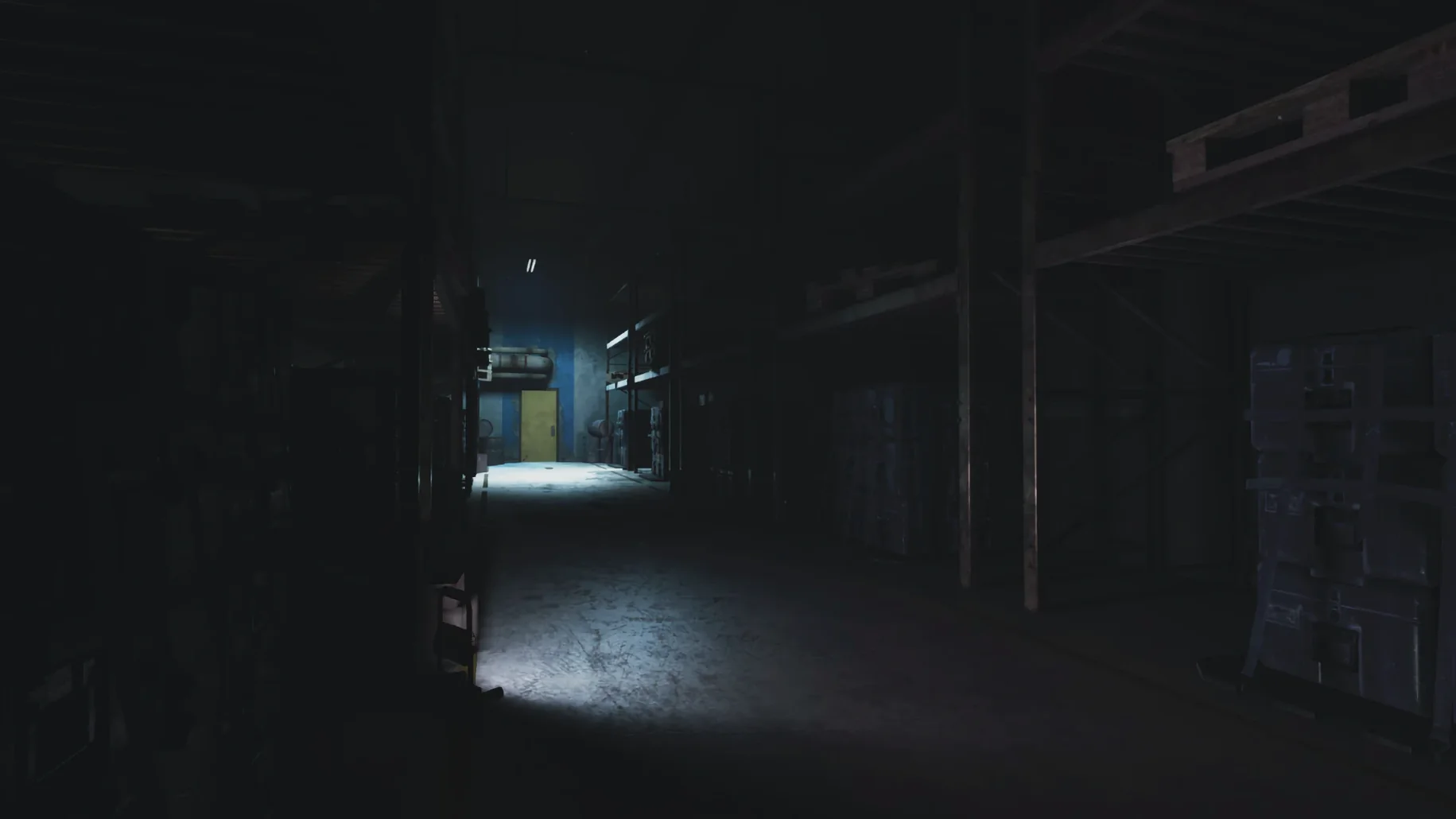
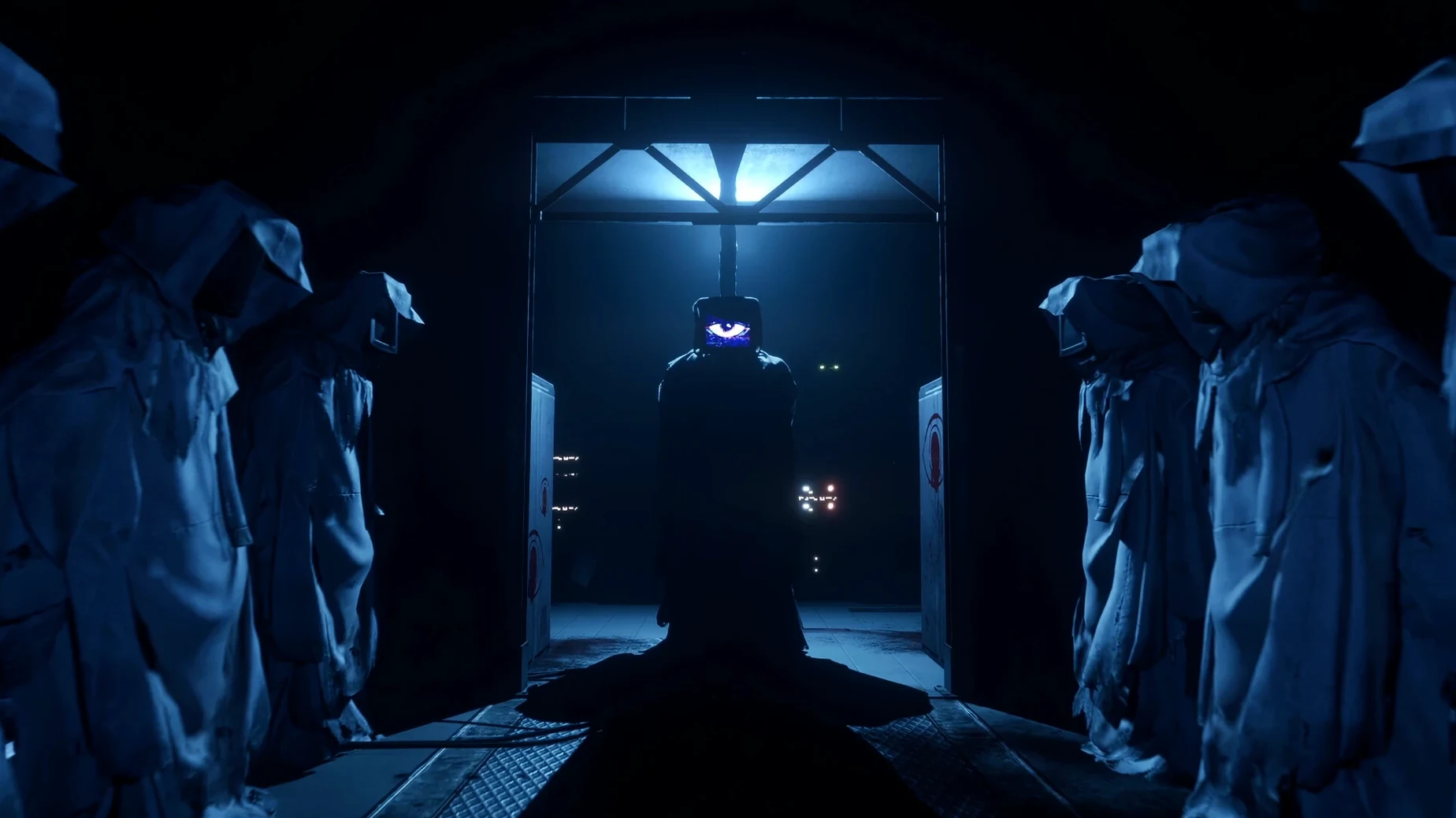
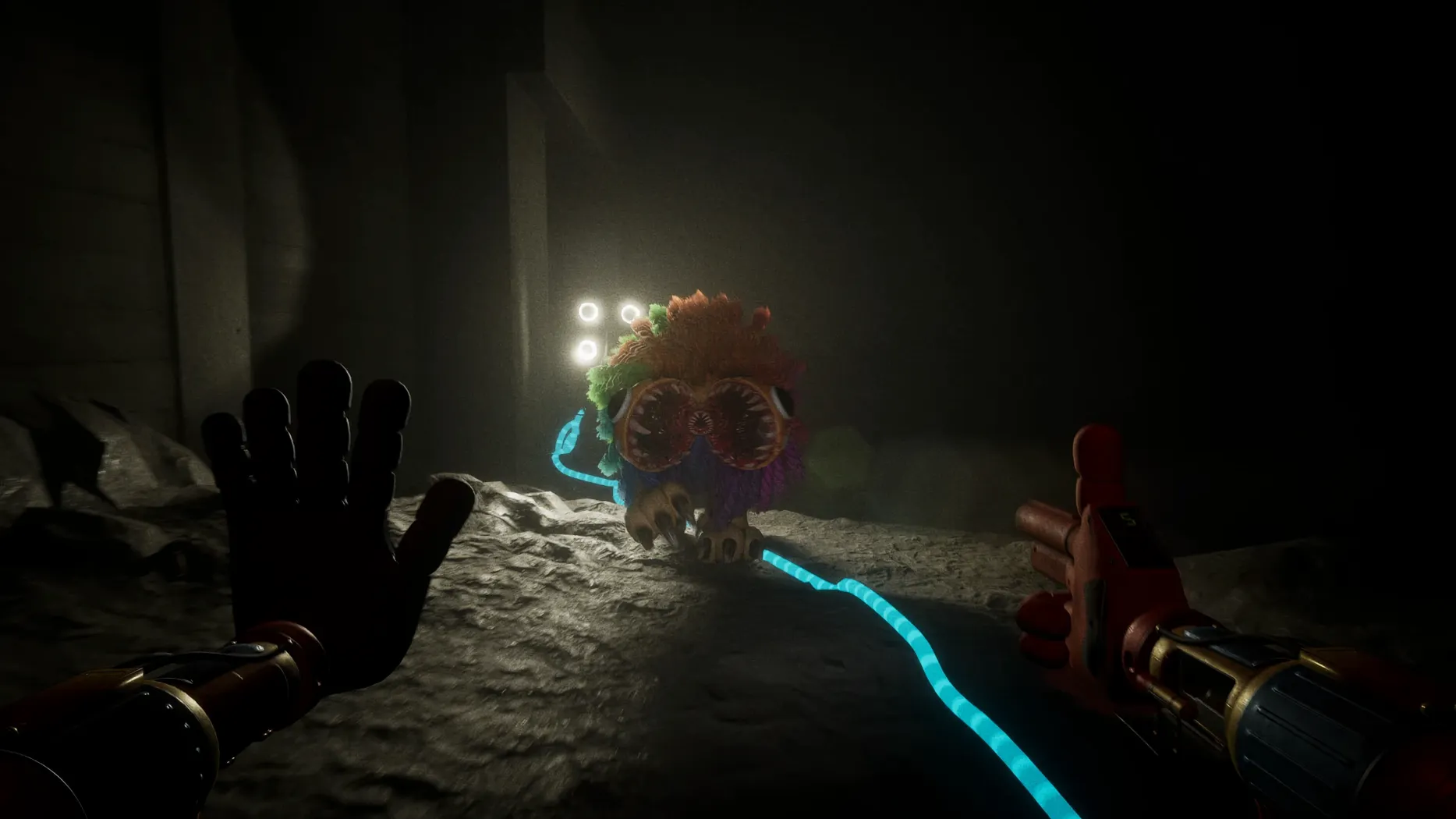
Poppy Playtime Chapter 4 is a first-person horror adventure that deepens the mystery inside the abandoned Playtime Co. factory. This chapter adds fresh faces to the cast — some allies, others far less welcoming — and expands the troubled history of the toy company through environmental storytelling and scripted sequences. The experience balances tense exploration with puzzle solving, asking you to manipulate factory machinery and decipher clues while the building itself seems to watch.
What the chapter includes: characters and tools
- A new chapter in the ongoing Poppy Playtime narrative, set after the events of Chapter 3.
- Unfamiliar allies who assist your progress through the factory’s deeper levels.
- New antagonists with distinct behaviours, adding variety to chase and stealth moments.
- Puzzle mechanics built around the factory’s industrial equipment.
- Horror-themed visuals and a soundscape designed to sustain unease between encounters.
Presentation: language and platform
The interface and subtitles are available in English and Russian. The build is compiled for Apple Silicon and has been tested on a Mac mini 2024 M4 running macOS Tahoe. Visuals favour dim corridors, flickering service lights and the oversized geometry of a factory built for toys rather than people — a setting that makes even empty rooms feel claustrophobic.
Field of view: push it past 80 for real peripheral awareness
A few adjustments made in the first few minutes can sharpen the experience considerably. The default field-of-view sits at a console-minded 70 degrees, which feels pinched on a desktop display. Pushing it to 85 or 90 opens up peripheral awareness without stretching the image unnaturally — helpful when a sound cue suggests something is approaching from the side. Motion blur is enabled out of the box; turning it off removes a slight smearing during quick pans and makes puzzle details easier to read at a glance. Sensitivity for the GrabPack controls can also be dialled down a notch, giving finer control when aiming the mechanical hands at distant fuse boxes or out-of-reach levers.
Audio-wise, the master volume is sensibly balanced, but the ambient track tends to mask quieter directional sounds. Lowering the music slider by about twenty percent helps footsteps and mechanical clicks cut through, which matters in segments where you track an unseen threat by ear alone. These are small tweaks, but the game rewards them.
Standing beside similar Mac horror adventures
Alongside Amnesia: The Bunker, Poppy Playtime Chapter 4 feels more guided and set-piece-driven. Amnesia hands you a sandbox of interconnected rooms and trusts you to improvise with a flashlight and a revolver; Poppy Playtime leads you through a tighter sequence of scripted chases and puzzle rooms. The storytelling is more direct here — characters speak, motives are sketched, and the factory’s past arrives in deliberate reveals rather than scattered notes. Against Little Nightmares II, the tone shares that sense of being small inside a vast, indifferent structure, but Poppy Playtime replaces the silent protagonist and side-scrolling perspective with first-person movement and voiced allies who comment on your progress. Where Little Nightmares leans into grotesque beauty, Chapter 4 pushes harder on industrial dread and jump-scare timing. Compared to Outlast, the pace is less relentless; the game pauses between pursuits to let you solve a wiring puzzle or decode a control panel, which makes the horror more rhythmic than suffocating.
Wineskin on Apple Silicon: load times hover around eight seconds
The Wineskin wrapper adds a thin translation layer, and on an Apple Silicon Mac the cost is barely perceptible. Load times between sections sit at around eight to twelve seconds; once a level is in memory, the frame pacing stays smooth even when the camera swings past volumetric fog or a burst of particle effects from a malfunctioning machine. After several hours of play — switching between the factory floor, ventilation ducts and a flooded sublevel — no gradual slowdown or memory creep was apparent. The build runs stably in fullscreen and windowed mode, and it coexists peacefully with background apps like Notes and a music player, though closing a browser with a dozen open tabs before launching is a sensible precaution on machines with 8 GB of unified memory. Thermals remain quiet on actively cooled desktops; on a fanless Air, the chassis grows warm after half an hour but stays well within comfortable limits. A single crash occurred when alt-tabbing during a late-game cutscene, which a relaunch resolved without progress loss — the autosave had captured the moment just before the scene began. In short: it performs like a native port for most practical purposes.







Correspondence 0
Take a chair or join the table to send a letter.
No correspondence on this note yet. Letters are read before they appear.