 LeCoqRoti
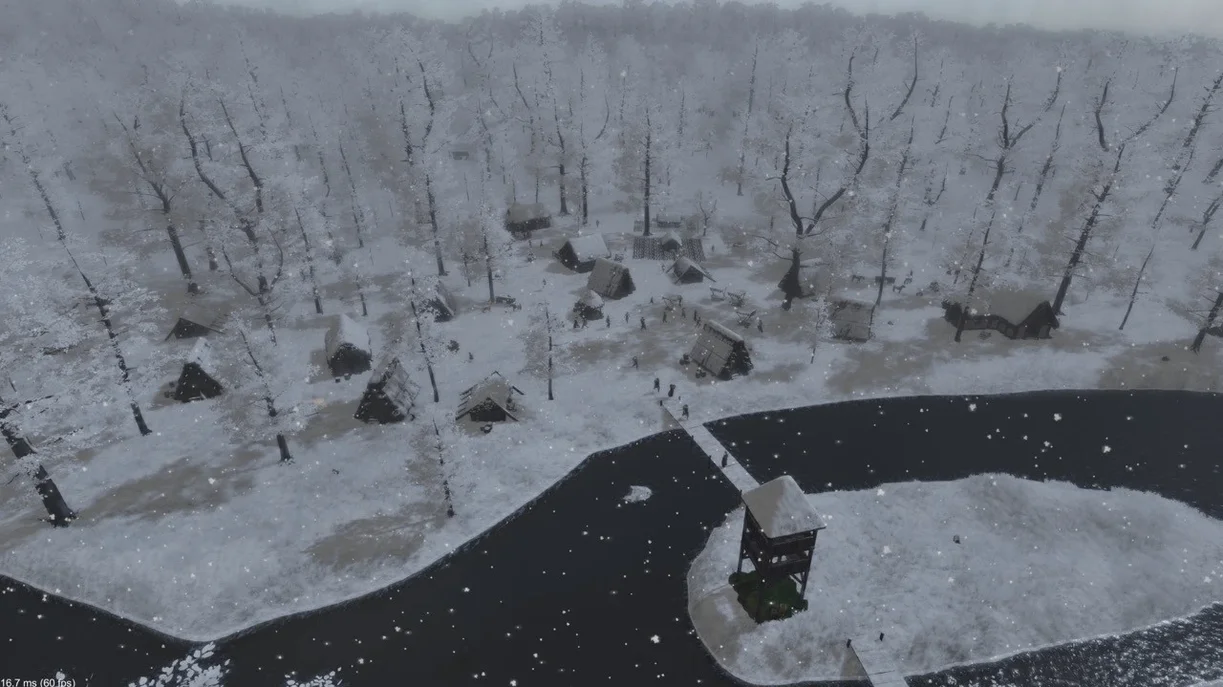
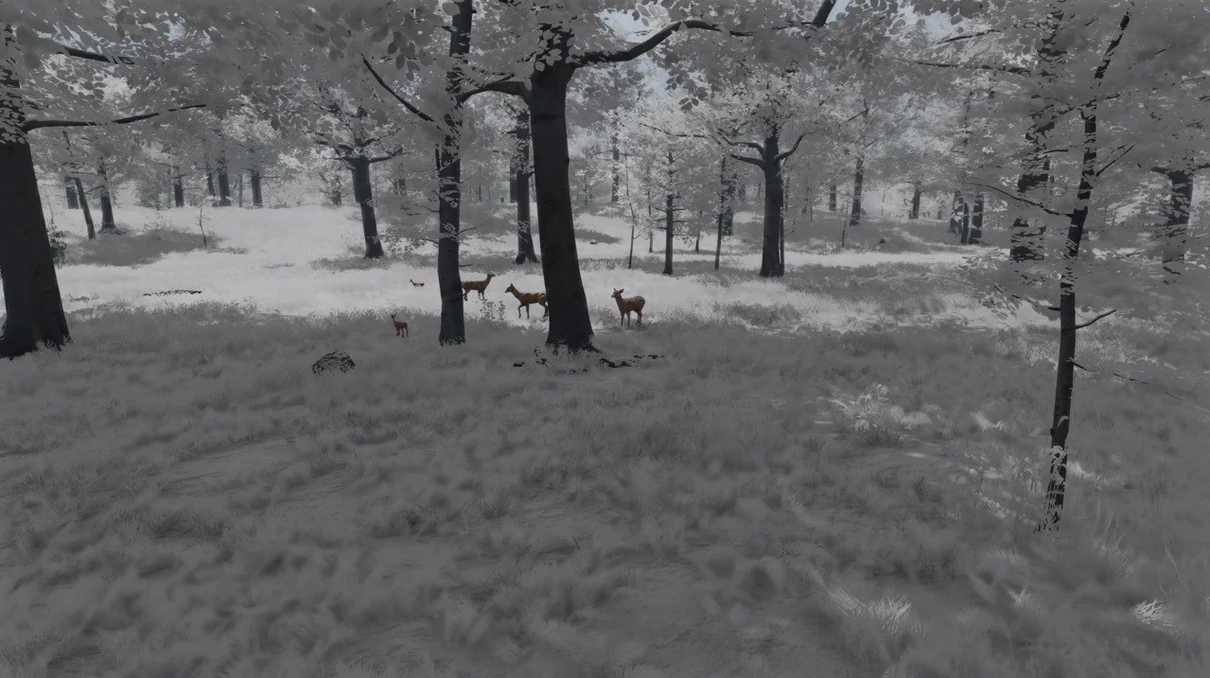
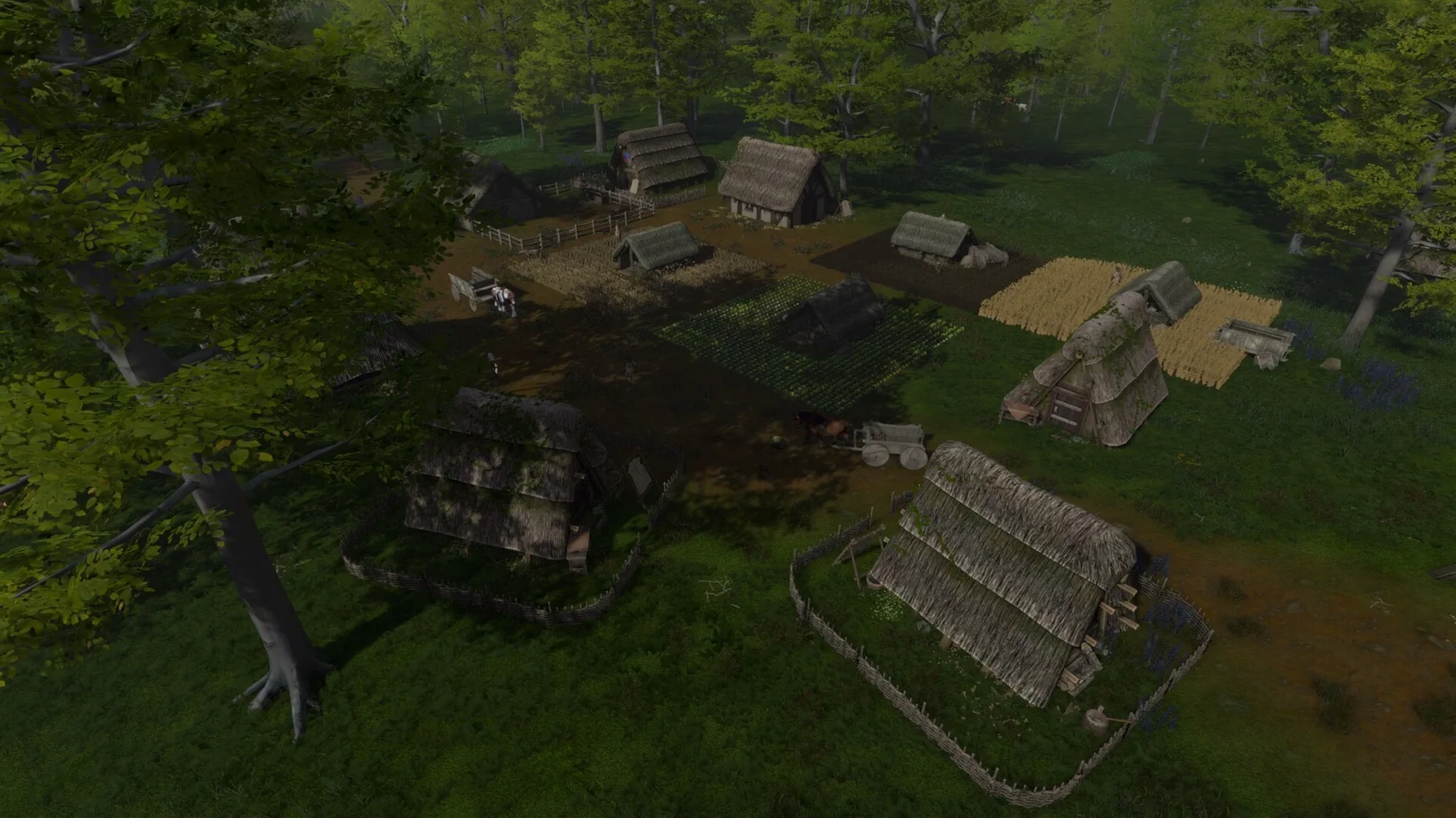
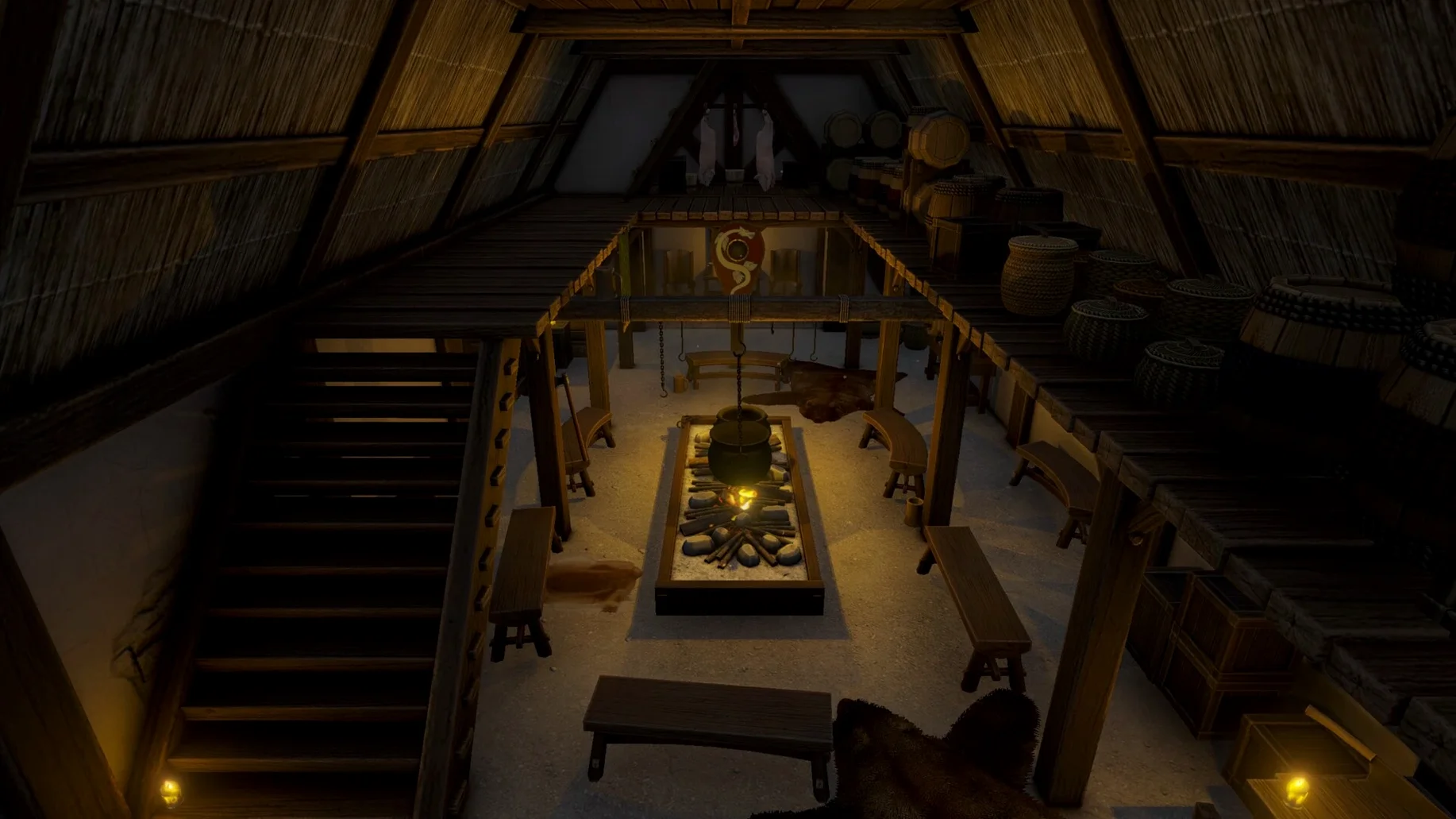
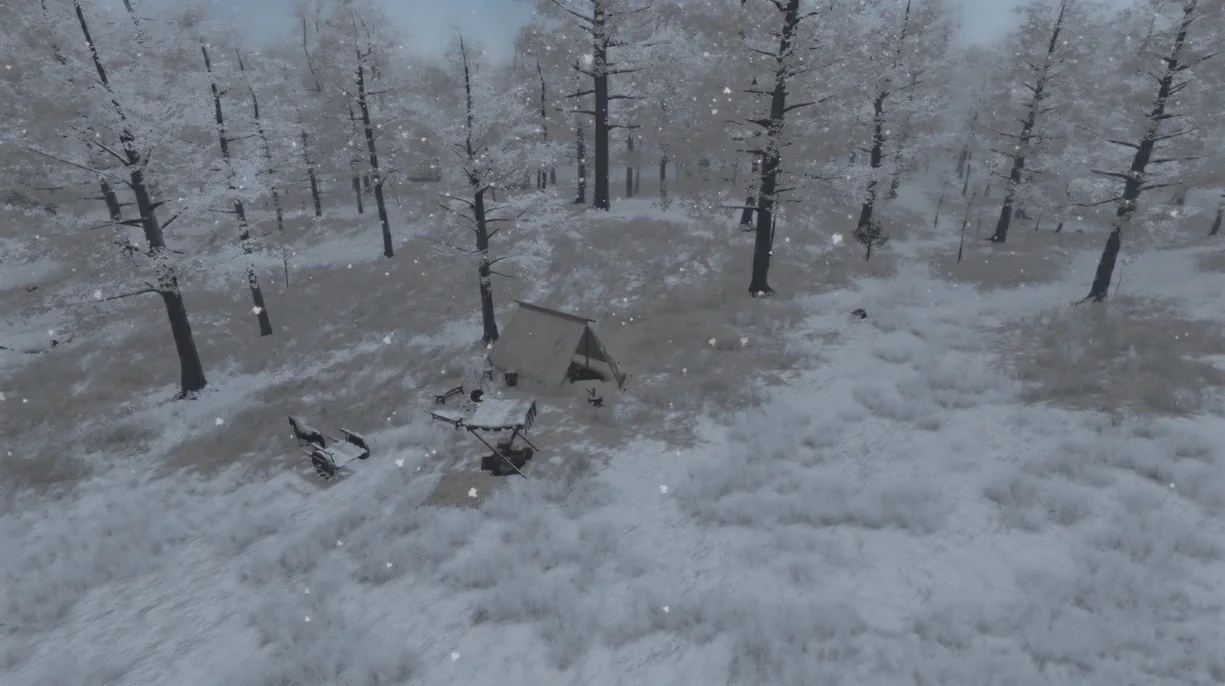
Thirty in-game years: that is the span one family must survive to build lasting prosperity in SAELIG. It is a medieval strategy RPG that blends trading, simulation, and business management inside a world where every character—from merchant to bandit—tries to get ahead. Seasons turn, weather shifts, and the map feels reactive rather than scripted.
Trade: buy low, travel far
Minute to minute, you study market prices across settlements, load a cart with goods, and set off along roads where rain can slow you and winter can ruin a perishable cargo. Profit comes not from a single haul but from learning which villages hunger for what.
Learn: a skill for every action
Nearly everything you do improves through a knowledge system: haggle enough and your trading sharpens, craft often and your output gains value. Progress feels incremental and personal, tied to the choices you repeat.
Survive: raids, rivals, and risk
Viking raids can strike without warning, and you may choose to defend your holdings or, if morality bends, turn bandit and steal your way to riches. Either path demands you read the world’s rhythms—weather, season, and the ambitions of other characters—to keep your family alive and its dynasty growing.
How SAELIG fits with other apps and macOS
The game runs as a standalone app and asks little of the system beyond what any modern Mac already provides. It respects the native full‑screen mode: swipe into a new space and SAELIG fills it without glitches, leaving your desktop clean for notes or a browser tab open to a trade‑route map. I keep it on a separate Mission Control desktop next to a simple spreadsheet where I track seasonal prices—clumsy, perhaps, but it adds a layer of record‑keeping the game itself does not offer.
VoiceOver does not narrate the interface, so players who rely on screen readers will find the menus silent. The game’s audio is purely musical: a subdued, period‑flavoured score that sits well alongside other sound sources. In my shared studio I often run SAELIG with its music lowered to a murmur while the audio producer next door plays back a mix; the two never clash. For capturing clips, the built‑in macOS screen recording (Shift‑Command‑5) works reliably, though I recommend ticking the microphone off unless you intend to layer commentary later.
Because no activation is required, you can copy the app onto an external SSD and launch it on another Mac running the same architecture. I have moved a save between an M4 Mac mini and an Intel MacBook Pro without issue: the save files live inside the app’s container in ~/Library/Containers, and a simple drag‑and‑drop restores a dynasty in seconds.
Camera lurch: taming the oversensitive pinch‑to‑zoom
A handful of friction points surface often enough to note. The first is the camera: on a trackpad, pinch‑to‑zoom can feel oversensitive, sending the view lurching from a village close‑up to a near‑satellite distance. Dialling the scroll speed down in System Settings helps, but the real fix is to lean on the keyboard—the plus and minus keys step the zoom in predictable increments.
Trading in early winter trips up many new players. Goods spoil faster than the tooltip suggests when snow slows your cart, and a load of fish bought cheap in a coastal hamlet can rot before you reach an inland market. The solution is dull but effective: short, local runs in the cold months, and long hauls reserved for spring and early autumn when roads are clear.
Another point of confusion is succession. When your character dies, the game hands control to one of the children, but it does not pause to explain who inherits what. Skills do not transfer whole—an heir raised on the trade ledger will know little of combat. A quick check of each child’s knowledge panel before the parent’s final years lets you steer the dynasty toward continuity rather than scrambling to relearn lost crafts. If the UI becomes unresponsive after a raid, toggling full‑screen mode off and on again almost always restores input.
Plague economics: when a halved workforce buys less bread
Version 65, built for ARM and 64‑bit Intel, refines the rhythm of the living economy rather than adding headline features. Population‑driven demand now adjusts more visibly: a village that loses half its workforce to plague will buy less bread for a season, and you can see the price drop before you commit a cartload. This makes the market feel less like a spreadsheet and more like a network of genuine shortages and surpluses.
Character behaviour also sharpened. Traders you compete against now remember profitable routes and return to them, so a lane that earns you silver one spring may draw rivals the next. The Viking raid frequency has been tuned downward on the default difficulty, though the warning signals—smoke on the horizon—appear earlier, giving families time to move valuables or muster a defence. For those playing the saelig mac full version on Apple Silicon, the build eliminates a long‑standing audio stutter that used to accompany heavy snowfall scenes. The music now holds its line through weather transitions, a small polish that makes winter months less grating to the ear.








Correspondence 0
Take a chair or join the table to send a letter.
No correspondence on this note yet. Letters are read before they appear.