 LeCoqRoti

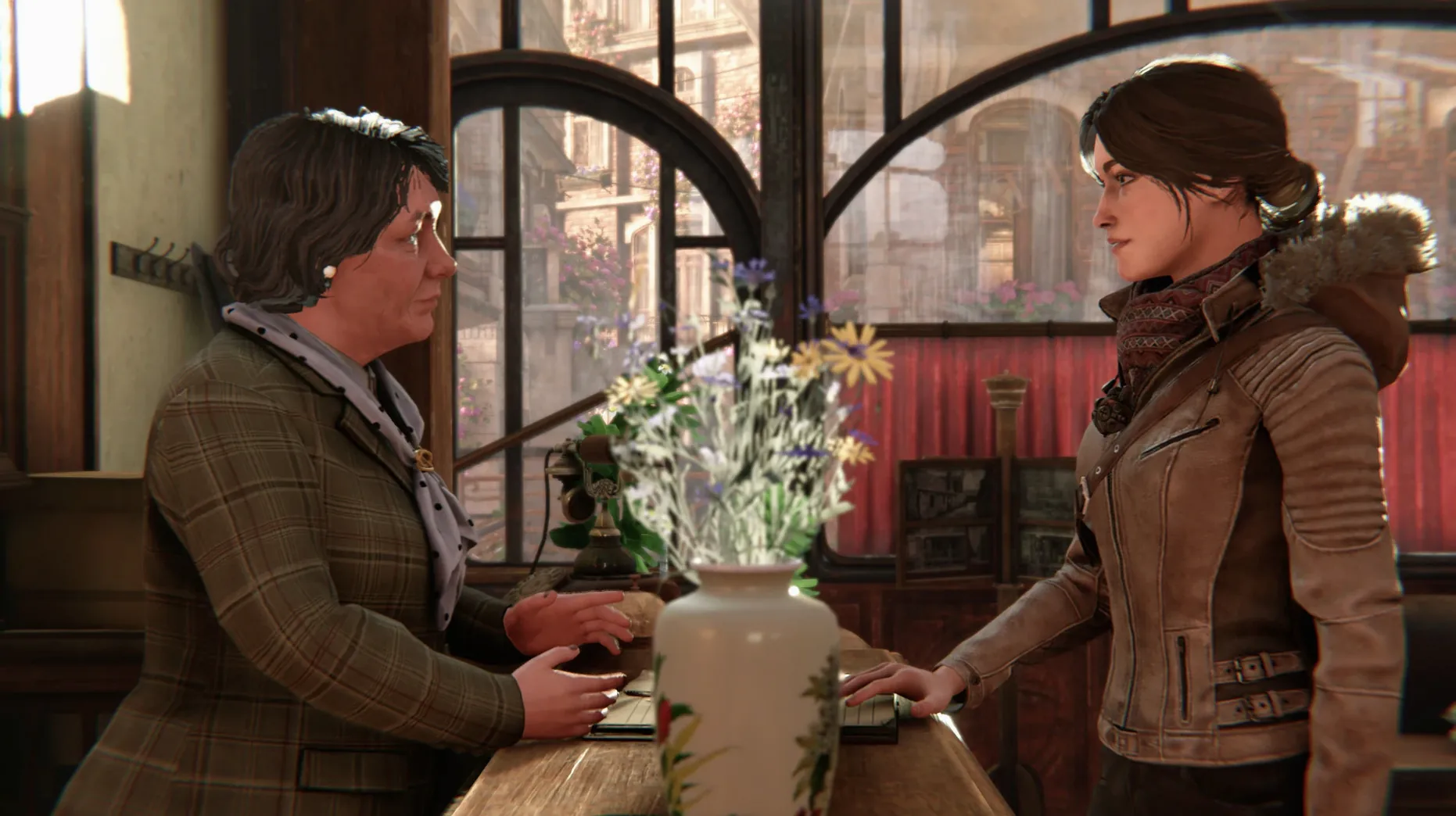
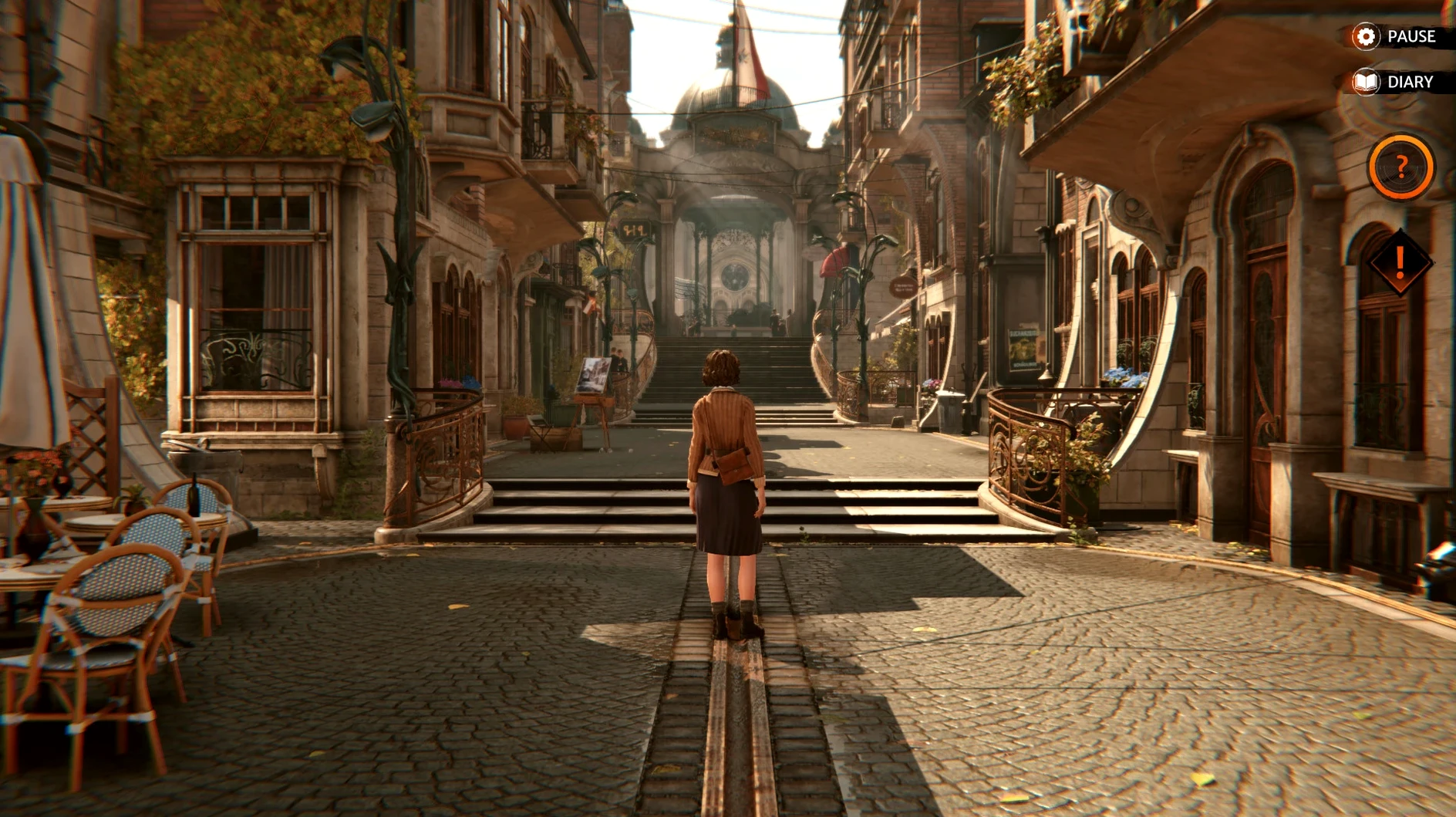
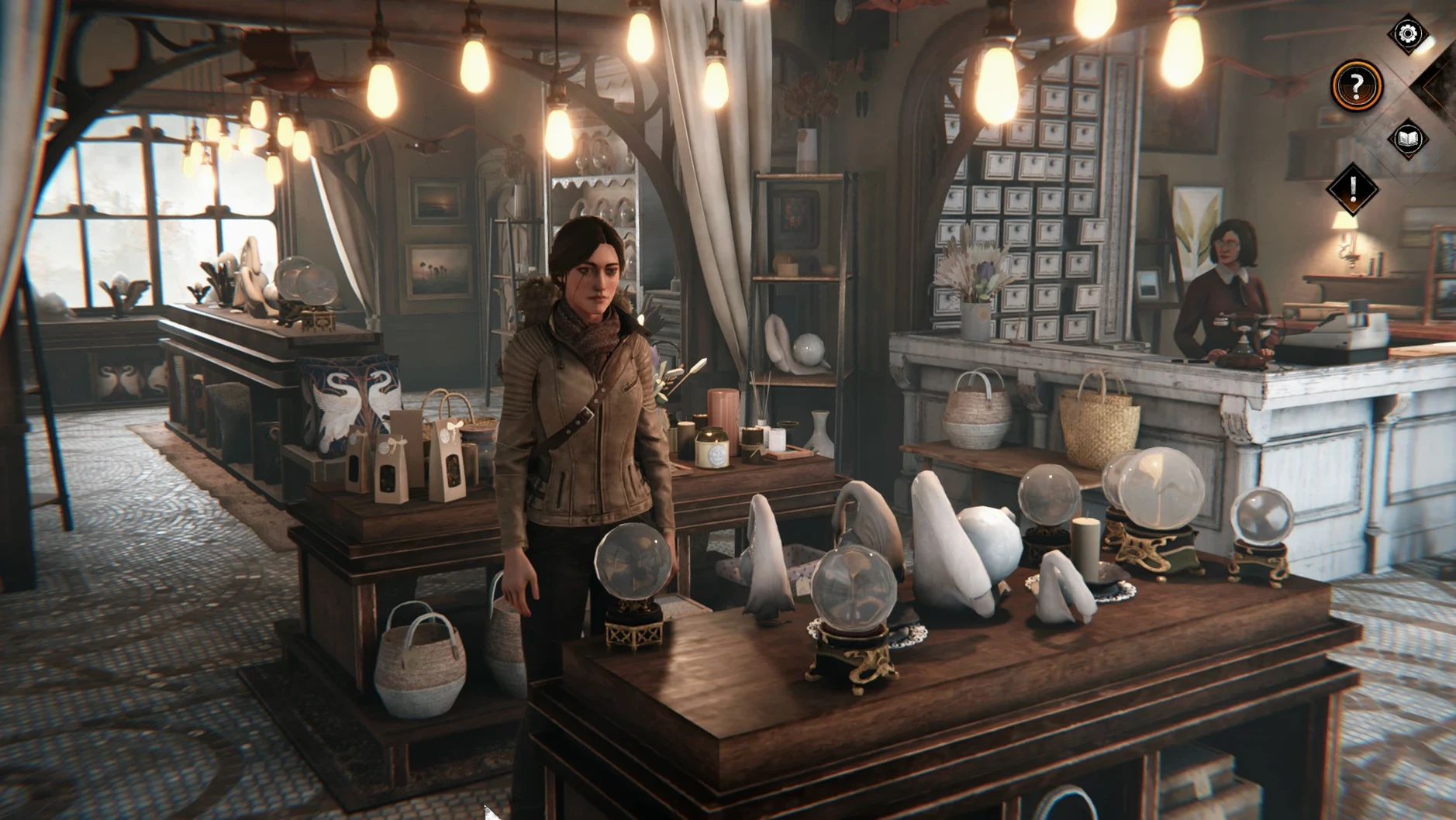
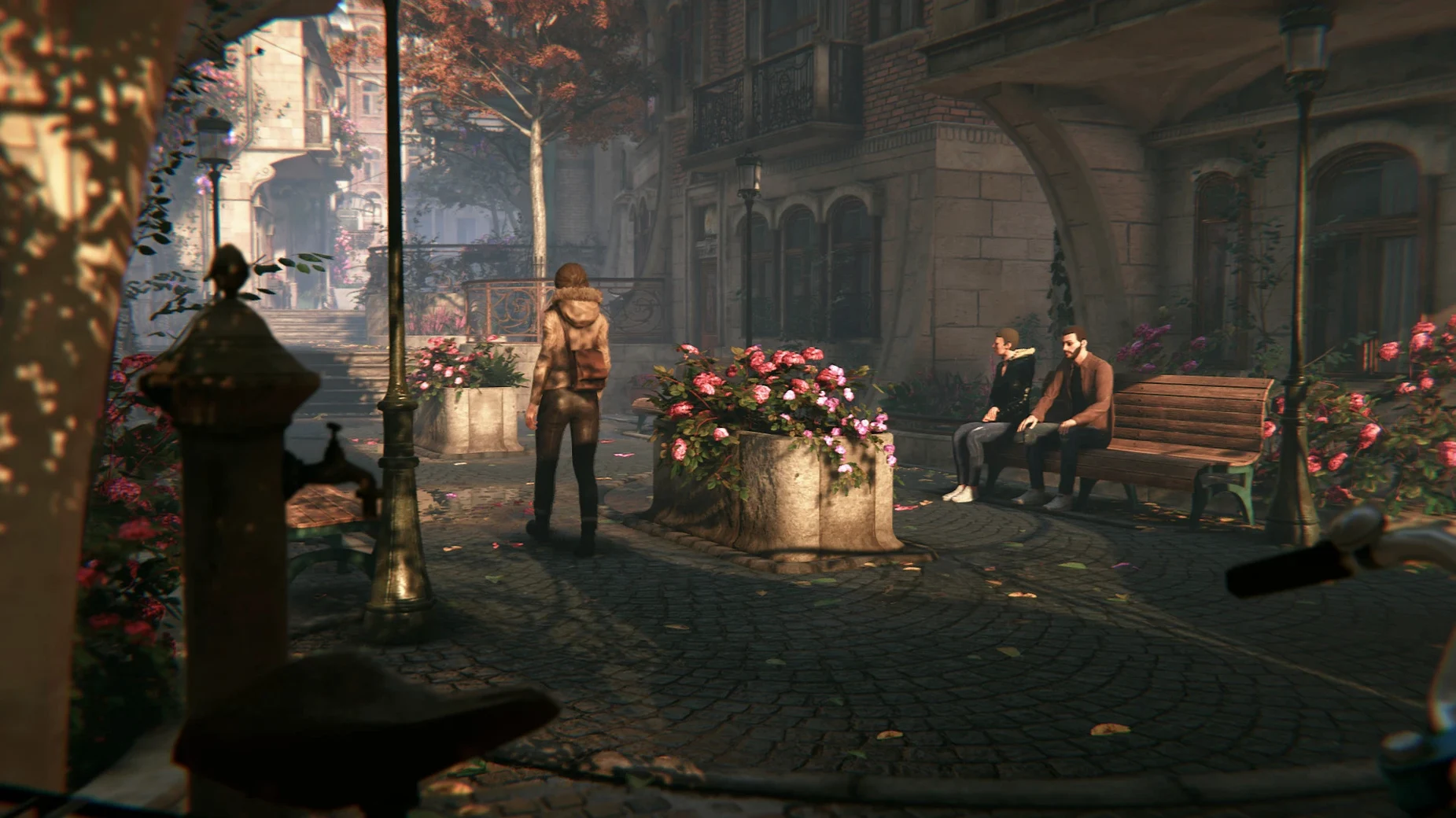
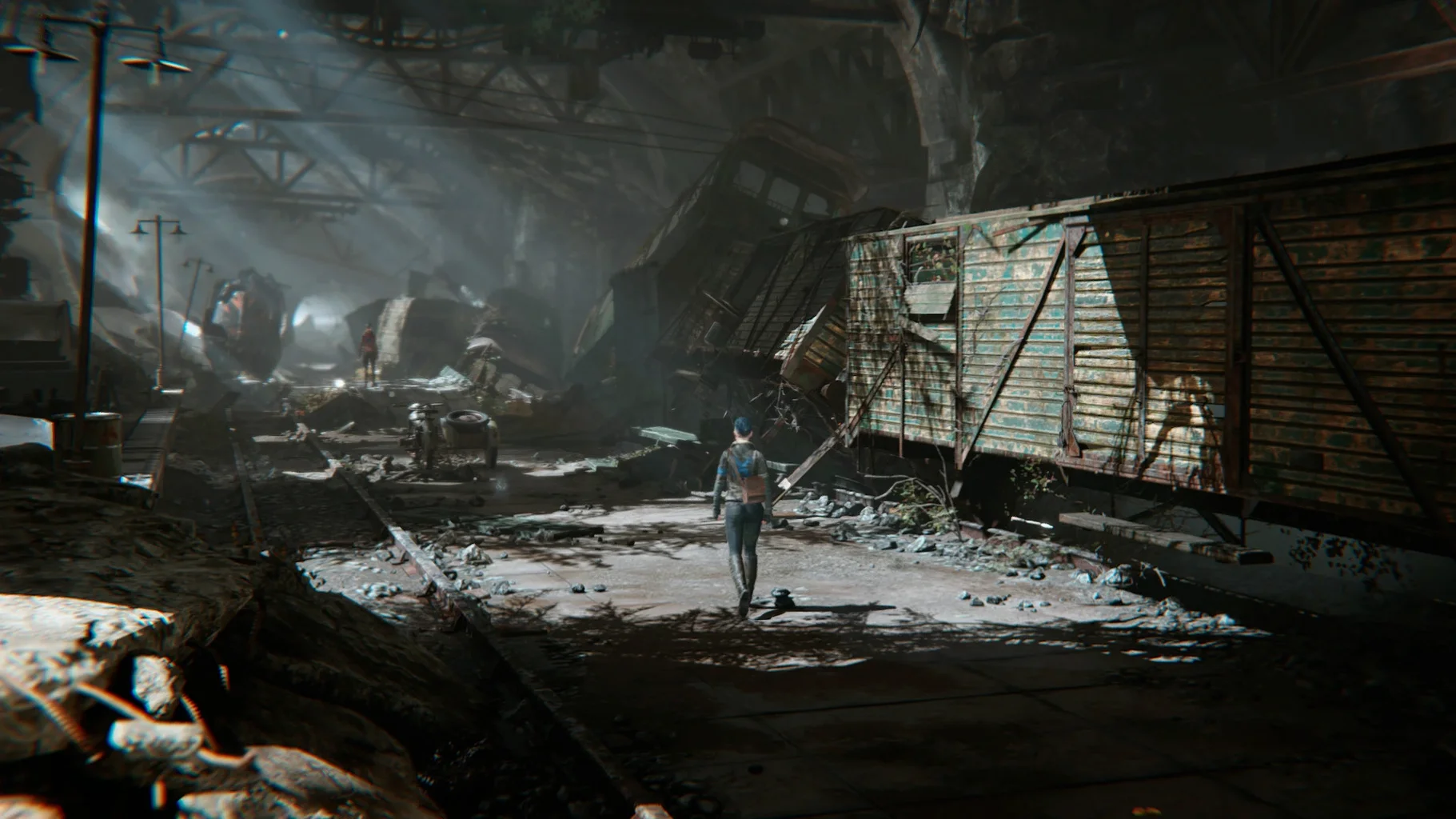
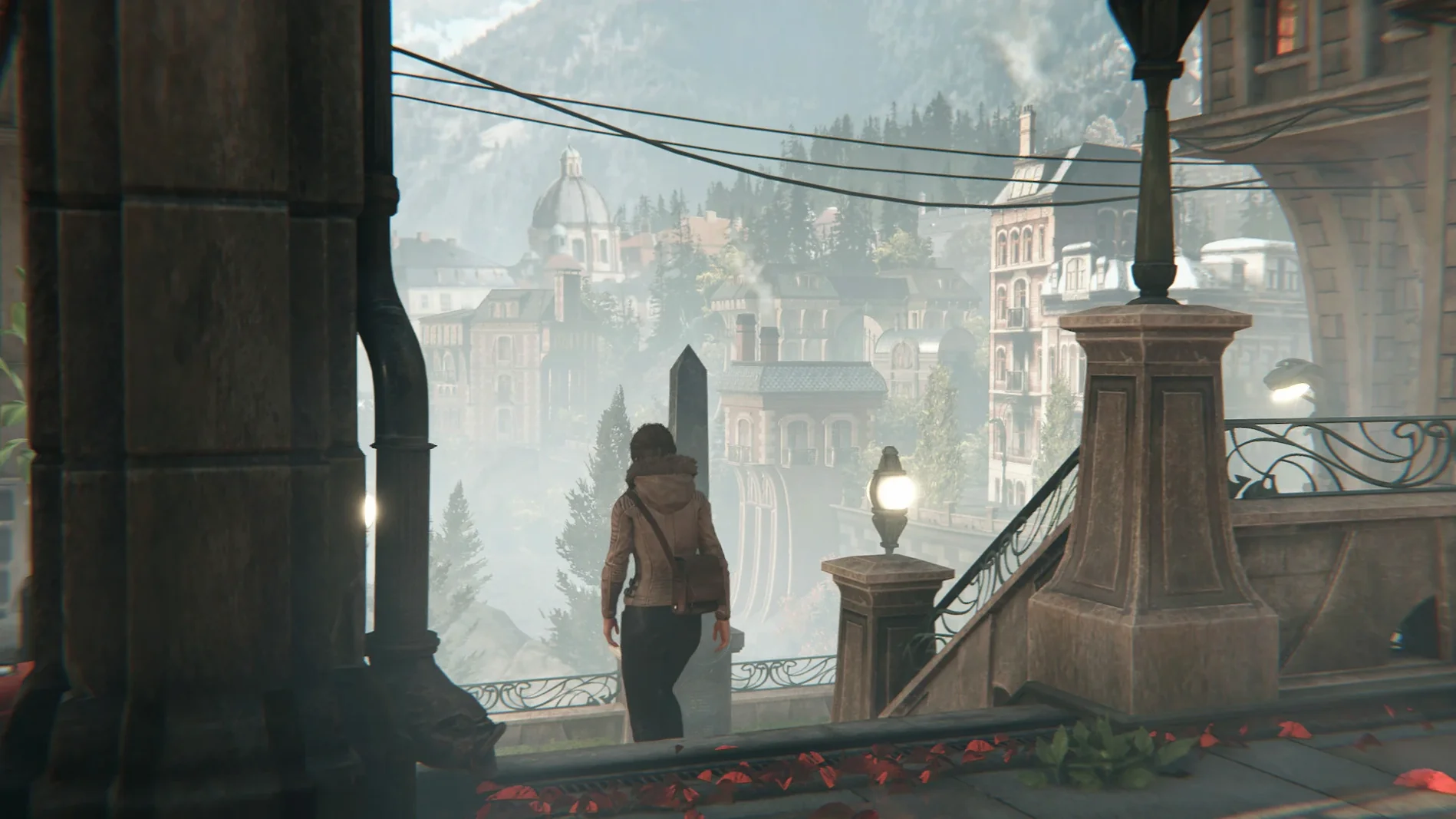
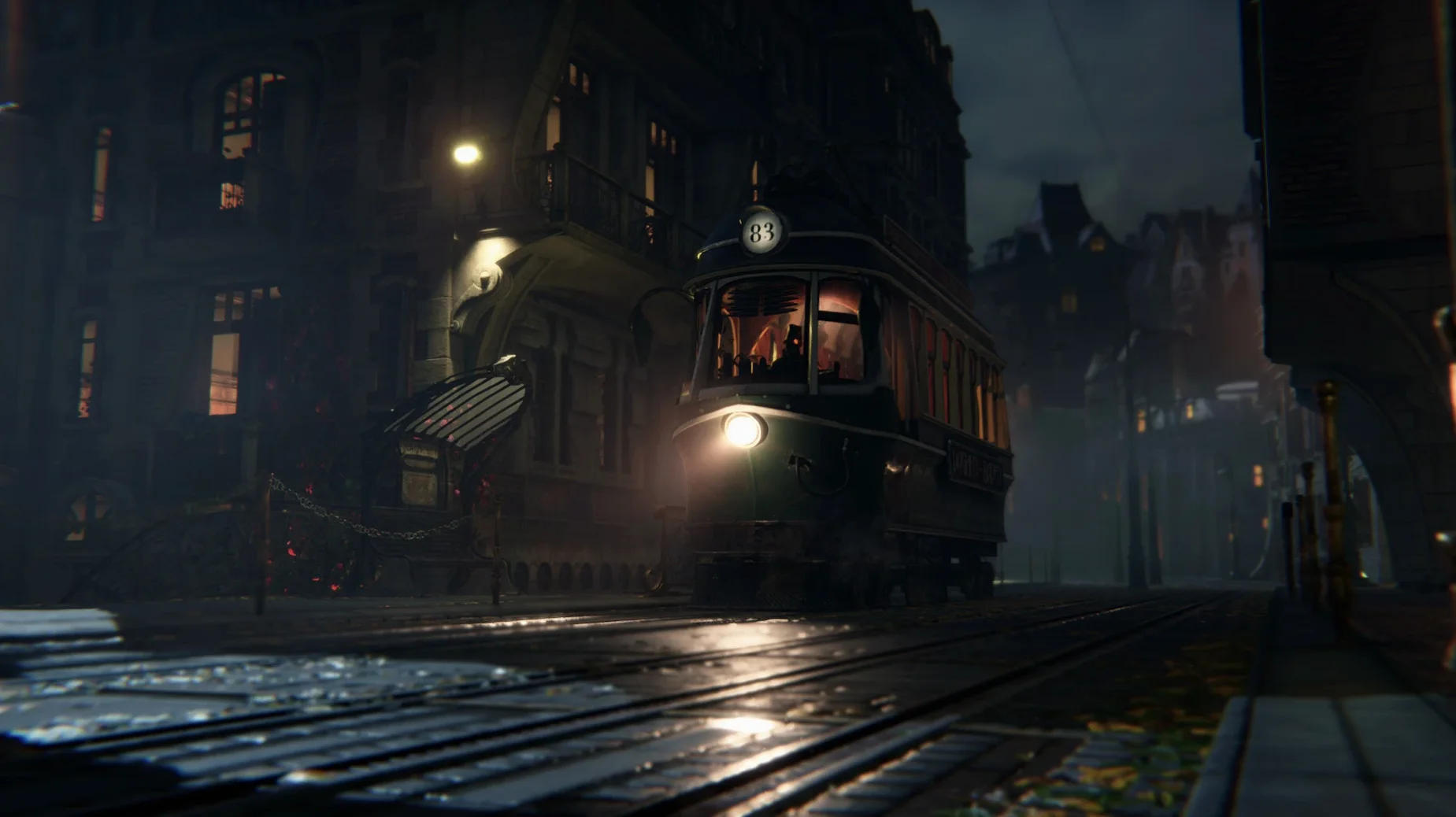
A point-and-click adventure lives or dies on the strength of its world, and a story split across two eras risks feeling fractured before it even begins. This entry in the Syberia series solves that by tying its timelines together through objects and atmosphere rather than exposition alone. You inhabit two women — Kate Walker in 2004 and the young pianist Dana Roze in 1937 — and the box contains every location, puzzle and broken mechanism that connects them.
Locations and set-pieces: what you walk through
- Abandoned cemeteries where inscriptions double as clues
- Mechanisms from a past age, operated through levers and logic rather than combat
- A prison escape that unfolds across several rooms, with timing and observation at its centre
- Broken instruments — strings, hammers, a piano action — that require repair before they yield their secrets
Tone and craft: how it plays
The game is an adventure title in the classic sense: no skill trees, no combat, just an unbroken chain of environmental puzzles and character encounters. Dana's sections lean on musicality and memory, while Kate's thread carries forward the industrial archaeology that defines the series. Voice work comes in Russian, English, German, Polish and French, with interface support across fourteen languages, so the atmosphere travels without losing its European inflection. The two periods never feel like separate games — they feel like two hands working on the same mechanical clock.
A working session: two hours in Vaghen
You sit down on a Sunday afternoon with coffee, the room quiet, headphones on. Dana's section opens in a sunlit apartment in Vaghen, 1937. The camera settles on a piano with a stuck key — middle C, motionless. You click around the room first, not because the game tells you to, but because it rewards it: a letter in a drawer mentions a tuning fork, a photograph on the mantelpiece shows Dana at a conservatory recital, the date scrawled on the back. None of these are the puzzle, yet all of them will matter.
The piano itself requires three separate actions: lifting the lid with a tool found in a kitchen drawer, removing the jammed hammer, then retuning the string using the fork once you have warmed it over a stove. Each step asks you to look at the object, not the interface. There is no glowing outline, no prompt. You notice the hammer because its felt is darker than the others. You warm the fork because Dana mentioned cold metal in a diary entry twenty minutes earlier. The game trusts you to remember.
An hour in, you switch to Kate in 2004. She stands outside the same building, now abandoned, its façade scarred by decades of neglect. The puzzle here is a gate mechanism — a rusted lever system with a missing counterweight. You recall a heavy iron ornament from Dana's apartment, photographed in a different context, and the connection snaps into place. The game shifted timelines on you, but it never shifted the logic. By the time you pause, the gate is open and the coffee is cold.
Beginners' stumbles: what trips up new players
The most common mistake is treating the game as a sequence of isolated screens. A player enters a room, solves the visible puzzle, exits, and moves on. This works for the first hour. Then it stops working. The game plants objects in 1937 that have no immediate use, and a newcomer will often leave them behind, assuming they belong to a later chapter. They do not. The tuning fork in the kitchen drawer serves no purpose in Vaghen; it belongs to Kate, sixty-seven years later, on a mountainside. The game expects you to carry items across time, not across rooms.
Another frequent error: skipping dialogue. Dana's conversations with her landlady or Kate's exchanges with a railway clerk often contain the only clue for a puzzle three scenes away. The game does not repeat itself in a journal or a task list. If a character mentions that a particular lock clicks twice before opening, that is the instruction. A player who clicks through the text will stand in front of that lock, turning it endlessly, convinced they have encountered a bug.
Puzzles themselves punish impatience. Mechanisms take time to operate: a lever that raises a gate moves slowly, and the audio cue — a grinding sound followed by a soft clunk — tells you when it has finished. Many first-time players click the lever again before the cycle completes, resetting the sequence without realising it. The game does not flash a warning. It simply waits for you to pay attention.
A complete workflow: restoring Dana's music box
This task sits in Dana's timeline, midway through her story. The music box belonged to her mother, and it no longer plays. Opening it reveals a cylinder and comb mechanism, a type used in nineteenth-century Swiss automata, and the cylinder has rusted pins. The goal is to make it play a specific melody — one you heard hummed earlier in the chapter.
- Examine the music box from all angles. The base has a small drawer, currently jammed. The cylinder rotates but produces no sound; you can see two broken pins and one missing entirely.
- Search the apartment for a thin metal object. A hairpin on the dressing table works for the jammed drawer. Inside the drawer: a small envelope containing a replacement pin, and a diagram of the cylinder's pin pattern with one note circled in red.
- Use the hairpin on the drawer to open it. The animation is quick — the pin slides in, you hear a click — but the game does not auto-take the contents. You must click the envelope and the diagram separately.
- Study the diagram. The circled note corresponds to a specific position on the cylinder. Count the pin rows from left to right, matching the diagram's notation to the physical comb. This is the only moment in the task that requires counting; the puzzle is spatial, not mathematical.
- Repair the cylinder. Click the two broken pins to remove them — Dana will comment on each — then use the replacement pin on the empty hole. The game gives you exactly one spare pin, so the order of removal versus replacement matters only if you remove the wrong ones. The diagram prevents this.
- Crank the music box. The melody plays, incomplete. A note near the end is flat. The circled note on the diagram was not the missing pin; it was the pin that needed bending. Use the hairpin again, this time on the circled pin, to nudge it into tune. Dana hums the corrected note, confirming the adjustment.
The music box opens a compartment in its base once the melody plays correctly. Inside: a photograph that connects directly to a location Kate visits in 2004. The task took roughly twenty minutes, used three objects, and bridged both timelines without a single word of exposition. It is the kind of puzzle that makes the Syber







Correspondence 0
Take a chair or join the table to send a letter.
No correspondence on this note yet. Letters are read before they appear.