 LeCoqRoti
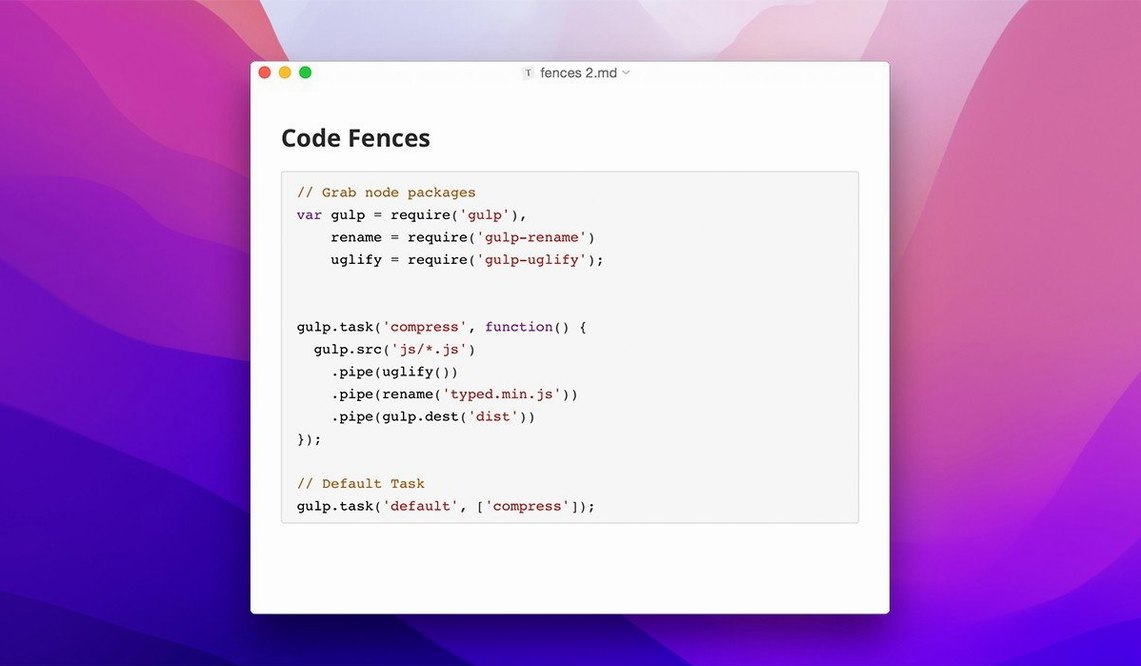
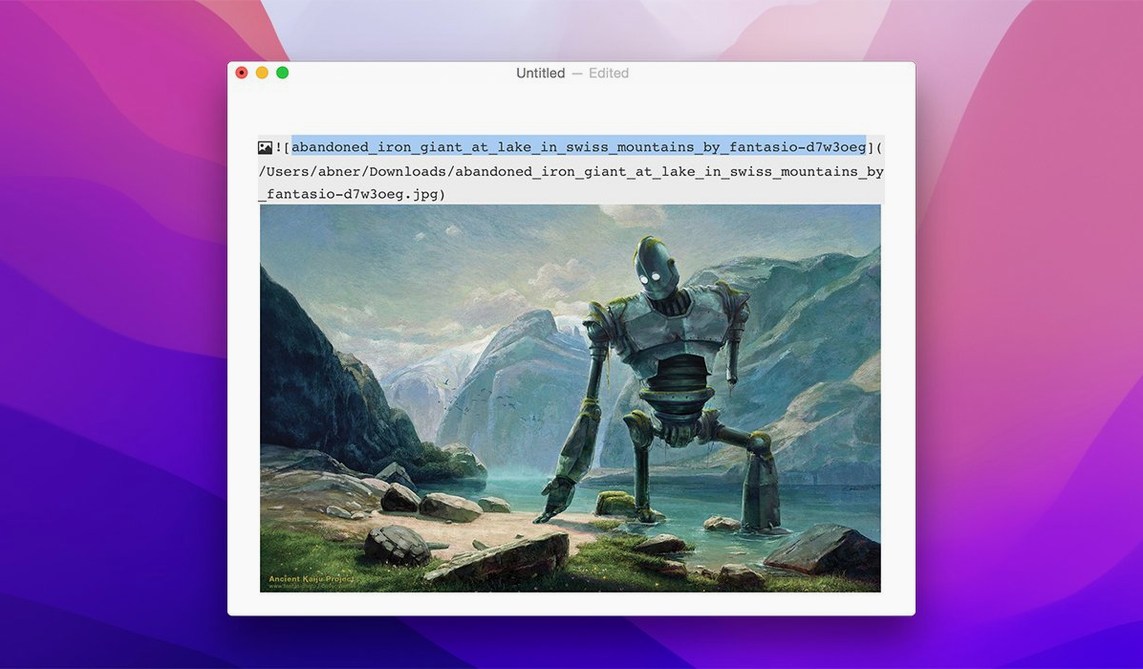
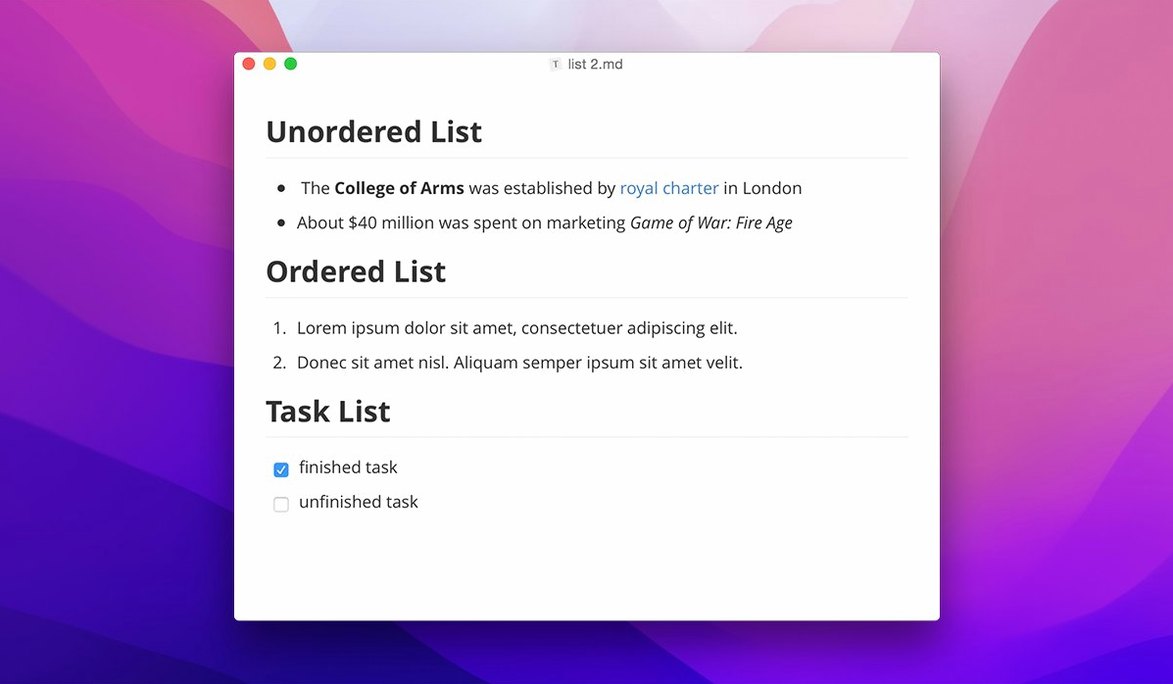
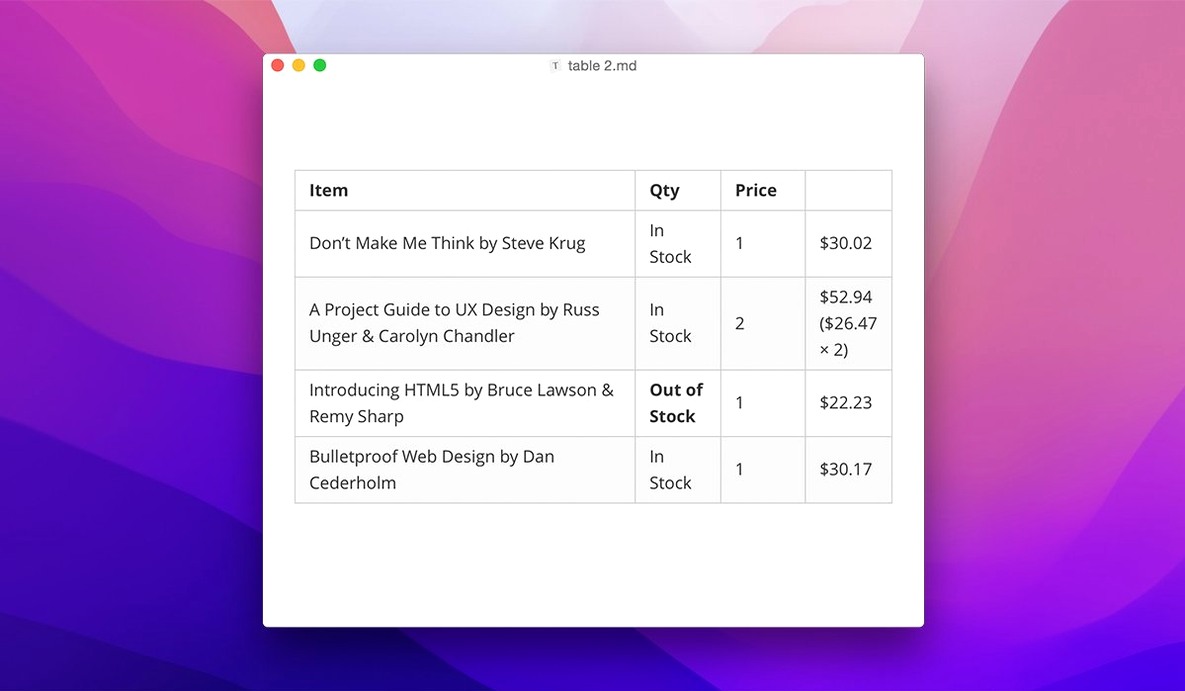
Most Markdown editors split your attention between a raw source pane and a preview you check later. Typora Mac removes that divide entirely: you write in one window and see the formatted text, images and headings appear as you type, with no mode switches, no source symbols and no side-by-side distraction.
- Live rendering without a preview pane: Markdown syntax hides the moment your cursor leaves the line, so a heading reads as a heading, not as a line of hash marks. The interface reduces to your text and a clean, context-aware toolbar.
- Sidebar file browsing: The file tree now respects a setting to show hidden files and folders, added in version 1.14. You can navigate local directories without leaving the writing surface.
- Lightweight export: Copy as rich text, or save to formats such as PDF and HTML via the built-in exporter. No heavy layout engine sits between your draft and the output.
- Context-menu settings on macOS: A right-click on the editing surface surfaces style and export options directly, matching the visual logic of the Mac desktop.
- Focus on reading, too: Typora doubles as a clean Markdown reader. Open a .md file and the rendered view loads instantly, with no editing chrome until you double-click to engage.
Plain-text note-takers who want the page to look finished effortlessly
Three kinds of Mac users tend to settle into Typora and stay. The first is the daily note-taker who lives in plain text but wants the page to look finished without any extra effort. For them, the disappearance of hash marks and asterisks is not cosmetic — it removes a low-grade cognitive friction that builds up over a working day.
The second is the long-form writer who drafts in Markdown for its portability. Academic authors preparing papers, documentation writers maintaining help sites, and bloggers who publish to static-site generators all appreciate that what they see during drafting closely matches the final rendered article. The floating editor toolbar added in version 1.14 keeps formatting controls within reach without occupying a fixed ribbon, which matters on a MacBook screen.
The third group is perhaps less obvious: people who read more Markdown than they write. Opening a repository full of README.md files or a folder of exported notes becomes a browsing experience rather than a code-inspection chore. Typora renders them as clean pages on launch, with no editing interface until you deliberately activate it.
How Typora fits with other tools
Typora does not try to replace a file manager, a version-control client or a reference manager; it works alongside them. Because it reads and writes plain .md files directly on disk, a Git client sees the same files Typora does — no import step, no proprietary database. Writers who version their drafts with Git can edit in Typora and commit from Terminal or a GUI client without converting anything.
The app also pairs well with macOS Quick Look. Select a Markdown file in Finder, tap the spacebar, and you get a formatted preview. Open it in Typora, and that same preview becomes the editing surface. The continuity between these two views — one passive, one active — feels deliberately Mac-like.
For research-heavy writing, Typora supports LaTeX math and citation-style brackets that external tools such as Zotero or Pandoc can process downstream. The recent fix for Pandoc export from source mode in version 1.14.10 restores a clean path from a Typora draft to a Word or LaTeX document, which keeps the editor viable inside a wider academic toolchain.
First days: practical pointers
A few habits make the first week smoother. Start by opening your existing folder of Markdown notes from the sidebar — the file tree supports keyboard navigation, so you can move through directories with arrow keys. Enable the option to show non-Markdown files if you keep related assets such as images or CSV data alongside your drafts; the sidebar preference was added in version 1.14 and saves trips to Finder.
Spend ten minutes with the theme folder. Typora reads custom CSS, and a small edit — line height, paragraph spacing, the width of the writing column — changes the feel of the whole application. Keep a copy of the default theme before you modify it, then adjust one property at a time. A good first tweak is to set a maximum column width that matches your preferred reading measure.
If you work with numbered lists or large tables, test the live rendering early. Typora handles Markdown tables natively, resizing columns as you type, and the table-of-contents panel updates with each new heading. Knowing how these behave before a deadline prevents surprises.
For those who write in multiple languages, the interface supports over thirty localisations, and switching the display language from the preferences does not affect the document content — useful in bilingual households or shared machines.
In short: Typora treats Markdown as a finished medium, not a code layer waiting to be previewed.







Correspondence 0
Take a chair or join the table to send a letter.
No correspondence on this note yet. Letters are read before they appear.